China’s Auto Parts industry has become a crucial link in global vehicle production. Its scale is difficult to ignore. The China Association of Automobile Manufacturers reported 31.28 million vehicle sales in 2024. Vehicle exports reached approximately 5.86 million units. These figures create strong demand for engines, braking systems, electronics, batteries, and interior components.
The market is changing quickly. Deloitte’s 2024 China Automotive Industry Outlook highlights software, intelligent driving, and new-energy vehicles as major growth forces. The International Energy Agency also reported that China represented more than half of global electric-car sales in 2023. That shift affects every supplier. A traditional metal-stamping factory may now need battery-safety testing and electronic quality control. This is where careful evaluation matters.
Tu Le, managing director of Sino Auto Insights, has described China as “the world’s largest automotive market.” His observation helps explain the country’s manufacturing influence. Yet market size alone does not prove reliability. Strong manufacturers must demonstrate stable quality, technical certification, delivery consistency, and transparent warranty support. Some rankings overlook these details. That is a weakness worth acknowledging.
This guide examines leading Chinese Auto Parts manufacturers through practical criteria. It considers production capability, international customers, research investment, export experience, and compliance systems. Public data can be incomplete. Supplier performance may also vary between factories. Therefore, no single ranking should be treated as final. The best choice depends on the component, vehicle program, target market, and required certification. Clear evidence matters more than impressive claims.
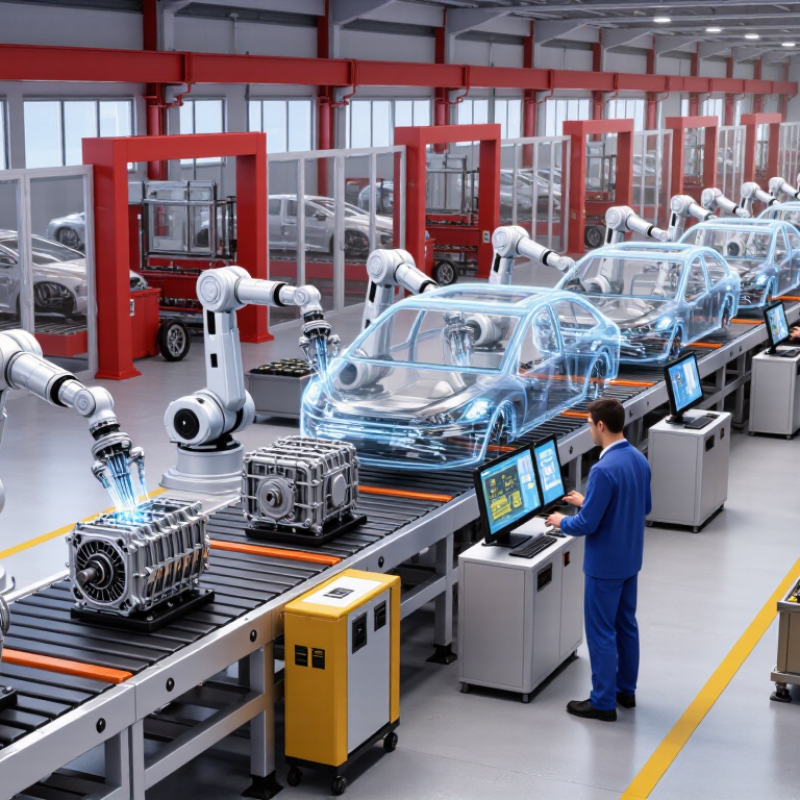
China’s auto-parts market gained major scale in 2023, when the country built 30.16 million vehicles. This volume supports a deep manufacturing network, from stamped body panels to electronic control units. It also creates intense pressure on suppliers to maintain stable quality across millions of parts.
The best manufacturers are not judged by factory size alone. Buyers should examine production experience, engineering teams, testing equipment, and traceability systems. A reliable supplier can show inspection records, material certificates, process controls, and clear sampling standards. Useful details include automated optical inspection, fatigue testing, and batch codes printed near the production line. These details make quality easier to verify.
Production volume alone proves little. I would request recent audit results, failure-rate data, and sample parts before signing a long-term agreement. Communication also matters. Engineers who explain tolerances clearly are usually more dependable than sales teams offering only low prices. Certification can support trust, but it should match the product and market requirements. Some suppliers look impressive during visits, yet their after-sales response remains weak. That deserves attention. A practical evaluation should include packaging strength, delivery consistency, replacement procedures, and technical support after installation. The market is large, but careful verification still separates capable manufacturers from average factories.
Look beyond factory size and annual output. Check engineering skills, inspection equipment, and traceability systems. Ask for material certificates, inspection records, and process controls. A large factory can still have weak discipline.
High output does not prove stable quality. Request recent audit results, failure-rate data, and sample parts. Review batch codes near the production line. Volume can hide rushed inspections.
IATF 16949 supports automotive risk control and defect prevention. ISO 9001 confirms a quality management system. Neither certification guarantees perfect parts. Certificates can expire.
Ask for audit findings and corrective-action records. Review process capability data and calibrated gauge records. Compare the certificate scope with actual factory operations. Paperwork alone feels reassuring, but it can mislead.
Check work instructions, batch labels, and inspection reports. Trace one component from raw steel to shipment. Look for automated optical inspection and fatigue-testing equipment. The floor tells a story.
Request independent test reports and production-control records. Useful data includes temperature tracking and coating-thickness checks. Charging-cycle performance also needs verification. Do not rely only on a factory presentation.
Examine optical clarity, edge finishing, and vehicle fitment. Inspect packaging for foam separation and moisture protection. Long-distance shipping can create small chips. Small chips matter.
Review casting consistency, heat-treatment records, and steel certificates. Ask about worker training and production data. A clear warranty and replacement process is important. Some suppliers communicate poorly after delivery.
Engineers should explain tolerances, drawings, and process limits clearly. Request updated drawings before approving samples. Check spare-parts availability and post-installation support. I would not trust price alone.
Define inspection standards, packaging strength, delivery targets, and replacement procedures. Include batch traceability and change-control requirements. Review customer-specific approvals without exposing confidential information. Processes can drift.
China’s auto-parts industry has become a major global manufacturing hub, supported by the production of more than 30 million vehicles in 2023. The best Auto Parts manufacturers are not defined by scale alone, but by consistent quality, advanced engineering, reliable production systems, and compliance with recognized standards such as IATF 16949 and ISO 9001. OEM certifications, traceability, and strong quality-control procedures are also essential indicators of supplier capability.
Leading suppliers serve multiple segments, including batteries, glass, powertrain systems, chassis components, and other electric-vehicle technologies. Battery manufacturing is especially important, as Chinese companies held a significant share of global battery installations in 2023. When comparing suppliers, buyers should evaluate product quality, manufacturing capacity, export experience, delivery lead times, technical support, and total cost of ownership. A balanced assessment of these factors helps vehicle manufacturers and distributors select dependable partners for both traditional and electric vehicles.

 101 Rubber