Extreme weather can pose significant challenges to homeowners, especially when it comes to garage doors. Effective protection from wind, rain, and snow is crucial. A quality Garage Door Weatherseal can be the difference between a secure garage and one that suffers from leaks and drafts.
When selecting the best weatherseal, consider materials and performance. Some options endure harsh conditions better than others. Rubber and vinyl are popular choices due to their durability. However, not every product out there meets high standards. Be cautious of cheap imitations; they fail quickly in extreme temperatures.
Installation plays a vital role too. Proper fitting ensures optimal performance, preventing unwanted elements from entering your space. Evaluate your current situation. Is your garage door seal worn out? Ignoring this can lead to costly damage over time. In extreme weather, the right Garage Door Weatherseal can save energy and enhance comfort, but choosing wisely matters significantly.
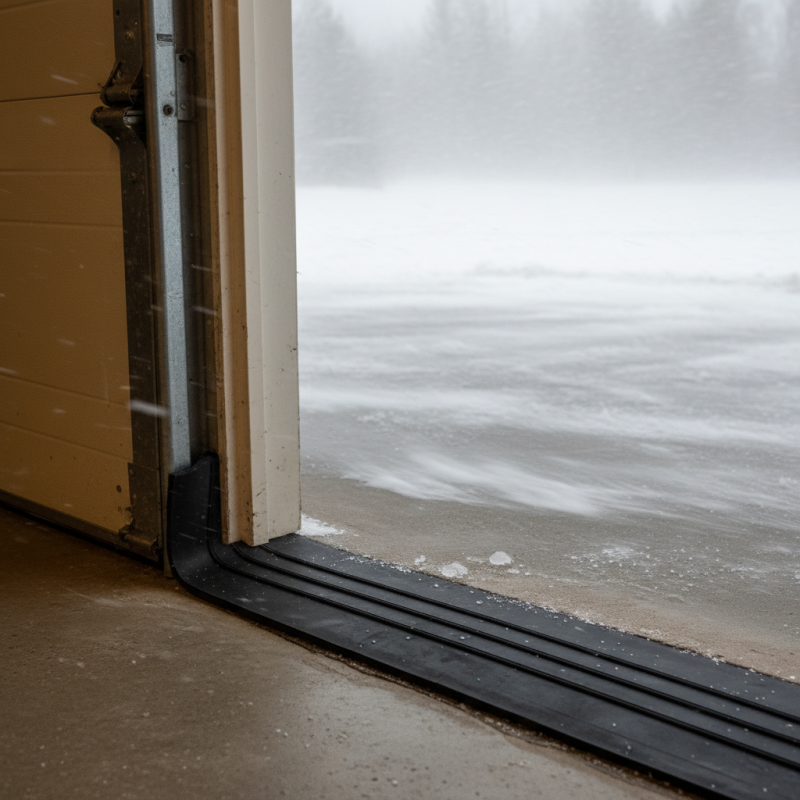
Understanding Garage Door Weatherseal: Importance in Extreme Weather
Garage door weatherseal plays a crucial role in battling extreme weather. It helps to prevent drafts, moisture, and pests from entering your garage. Research shows that up to 30% of a home’s energy loss can occur through gaps in the garage. Effective weatherseal significantly reduces this energy loss.
In severe conditions, such as heavy rain or snow, proper weatherseal can mean the difference between a flooded garage and a dry one. Companies report that using high-quality materials can increase durability. Some studies indicate that a well-sealed garage door can withstand winds up to 70 mph. However, many homeowners forget to regularly check and maintain weatherseal. Cracks and gaps can develop over time, reducing its effectiveness.
Choosing the right material is essential. Rubber and vinyl seals are popular, but they have varying lifespans under harsh conditions. While rubber may provide good insulation, it can degrade faster in extreme heat. Vinyl, on the other hand, is often more resilient to cold temperatures. Evaluating the specific weather challenges in your area can guide your decision. An informed choice about weatherseal not only improves comfort but also energy efficiency.
Types of Weatherseal Materials: Which is Best for Harsh Conditions?
Choosing the right weatherseal for garage doors in extreme weather is crucial. There are several materials available, each with its unique properties. Rubber is a common choice due to its flexibility. It can adapt well to temperature changes. Vinyl is another popular option, known for its durability. However, it may not perform as well in extremely cold weather.
Foam seals are lightweight and easy to install. They provide decent insulation but may wear out quickly under harsh conditions. Metal weatherstripping offers strength and longevity, yet it can be prone to rust. In situations where moisture and temperature swings occur, this is something to consider.
Many individuals overlook that even the best seals require regular maintenance. Checking for gaps or wear is essential. Ignoring these can lead to air leaks and increased energy costs. It's important to find a balance between cost and effectiveness. Evaluating your specific location’s climate can help make an informed decision.
Performance Metrics: R-Value and Durability of Garage Door Seals
When it comes to garage door weatherseals, performance metrics like R-value and durability are crucial for extreme climates. R-value indicates thermal resistance. A higher R-value means better insulation. For many homeowners, an ideal R-value ranges between 13 to 18 for effective temperature regulation. This can significantly impact energy costs, especially during peak seasons.
Durability is another key aspect. Extreme weather can wear down seals quickly. According to industry reports, seals made from high-grade materials, such as EPDM rubber, tend to last longer than others. They withstand harsh UV rays and extreme temperatures. Some seals last upwards of 10 years, whereas low-quality options may fail within a few seasons. Choosing the right seal can prevent unwanted drafts and moisture, ultimately protecting your garage from the elements.
Installation plays a significant role in the performance of garage door seals. Even the best product won't work effectively if not installed properly. Common mistakes include improper alignment and inadequate sealing at corners. A small gap can lead to air leaks and reduced insulation. Users often overlook these details, but they are vital for maintaining the longevity of your weatherseal.
Best Garage Door Weatherseal Performance Metrics
Installation Techniques: Ensuring Effective Weather Resistance
When preparing for extreme weather, proper installation of weather seals on garage doors is crucial. Start by cleaning the door frame. Dust and debris can hinder the seal's effectiveness. Use a damp cloth to wipe the surface. Once clean, measure the door's width carefully. Accurate measurements are key to a snug fit.
Position the weather seal against the door, ensuring there's no gap. If the seal is too long, trim it to fit. Use a level to verify alignment. Uneven installation can lead to leaks. Pay attention to corners where seals may need additional adhesion. The right adhesive can enhance stability in severe weather.
After securing the seal, test it with water. A simple hose spray can reveal leaks. If water seeps in, recheck the installation. Some areas may require additional sealant. Reflect on your techniques. Learning from each step ensures better protection in future installations.
Maintenance Tips: Maximizing the Lifespan of Your Weatherseal
Maintaining your garage door weatherseal is essential for longevity. Regular inspections help identify wear. Look closely for cracks or gaps; these can lead to air leaks. A small crack can lead to big issues over time. Do not ignore rust or fading; this indicates exposure to the elements.
Cleaning is another key aspect. Use a mild soap solution to remove dirt and debris. A clean surface helps the weatherseal perform better. Rinse it thoroughly to prevent any soap residue from causing damage. You might overlook this step, thinking it’s not crucial, but neglect can worsen issues.
Lubrication should not be forgotten. Apply silicone-based grease on the seals to maintain flexibility. This prevents brittleness, especially in extreme temperatures. Check for any loose parts that may interfere with the weatherseal's function. If the seal is dislodged, consider adjusting or replacing it. These small efforts can save you from larger repairs later.
Best Garage Door Weatherseal for Extreme Weather Conditions
| Weatherseal Type |
Material |
Temperature Resistance |
Estimated Lifespan |
Maintenance Tips |
| Rubber Weatherstrip |
Rubber |
-40°F to 140°F |
5-10 years |
Regularly clean and inspect for damage. |
| Vinyl Bottom Seal |
Vinyl |
-20°F to 120°F |
3-7 years |
Keep clear of debris for better sealing. |
| Foam Insulation Seal |
Polyurethane Foam |
-50°F to 150°F |
10-15 years |
Inspect regularly for wear and tear. |
| Magnetic Seal |
Magnetic Strips |
-30°F to 120°F |
4-8 years |
Check polarity and replace worn strips. |
Conclusion
Garage Door Weatherseal plays a crucial role in protecting your garage from extreme weather conditions. Understanding its importance is essential, as it helps maintain a stable internal environment, preventing issues related to temperature fluctuations and moisture ingress. Different types of weatherseal materials, including rubber and vinyl, offer varying levels of insulation and durability, making it important to select the right one for harsh climates.
Key performance metrics such as R-Value indicate the insulation efficiency of the seals, while durability ensures that the weatherstripping can withstand wear over time. Proper installation techniques are vital for achieving effective weather resistance, ensuring that gaps are sealed to keep out drafts and moisture. Regular maintenance tips can help maximize the lifespan of your Garage Door Weatherseal, allowing it to perform optimally during adverse weather events.

 101 Rubber