In the industrial landscape, the choice of materials is crucial for ensuring optimal performance and longevity. Rubber bellows, flexible sealing elements, are essential in various applications. Their durability and ability to withstand harsh conditions make them invaluable in industries such as automotive, aerospace, and manufacturing. According to a 2021 report from the Industrial Rubber Products Association, the demand for quality rubber bellows is rising, with an estimated market growth of over 5% annually.
The unique properties of rubber bellows, such as excellent elasticity and resistance to chemicals, contribute to their effectiveness in sealing and protecting components. However, not all rubber bellows are created equal. Choosing the right type requires deep industry knowledge and awareness of specific needs. A 2022 study highlighted that improper selection can lead to failures, costing companies time and resources.
While many manufacturers claim to offer high-quality rubber bellows, consumers must evaluate these claims critically. Performance tests and certifications can help gauge durability. As the industry continues to evolve, staying informed about the latest advancements is vital for making sound decisions regarding rubber bellows.
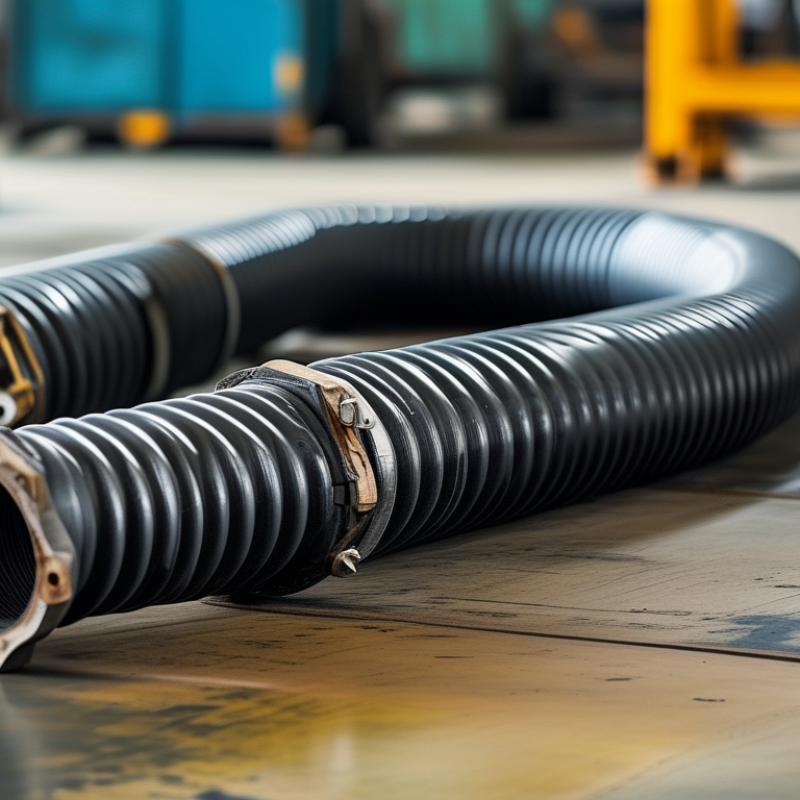
Types of Rubber Bellows Used in Industrial Applications
Rubber bellows come in various types, each designed for specific industrial applications. These flexible components offer protection against dirt, debris, and moisture while accommodating movements in machinery. Common types include cylindrical bellows, accordion bellows, and custom-shaped designs. Each has unique benefits, ensuring reliability in various environments.
Cylindrical bellows are known for their straightforward design. They are often used in hydraulic systems to maintain pressure. Accordion bellows, with their pleated structure, allow more flexibility and are ideal for applications needing extensive movement. Custom shapes can be tailored for unique operations, ensuring that manufacturers can find the right fit for their needs.
Tips for selecting rubber bellows include assessing environmental conditions. Consider factors such as temperature, chemicals, and mechanical wear. Proper material selection can significantly impact longevity. Regular inspection is essential. Look for early signs of wear, such as cracks or tears. A proactive approach can save costs and enhance reliability in industrial settings. Make informed choices to protect machinery and boost overall productivity.
Best Rubber Bellows for Quality and Durability in Industry
| Type of Rubber Bellows |
Material Used |
Temperature Resistance (°C) |
Application Area |
Durability Rating |
| Standard Rubber Bellows |
Nitrile Rubber |
-30 to 100 |
General Machinery |
Moderate |
| High Temperature Bellows |
Silicone Rubber |
-50 to 250 |
Aerospace, Food Processing |
High |
| Chemical Resistant Bellows |
Fluoroelastomer (FKM) |
-20 to 200 |
Chemical Processing |
Very High |
| Flexible Rubber Bellows |
EPDM Rubber |
-30 to 120 |
Automotive |
Moderate |
| Heavy-Duty Bellows |
Neoprene Rubber |
-20 to 100 |
Construction and Mining |
High |
Key Factors Affecting the Quality of Rubber Bellows
When selecting rubber bellows for industrial applications, quality and durability are paramount. Several key factors influence their production. The choice of rubber material is crucial. High-grade compounds resist wear, abrasion, and harsh environmental conditions. This ensures longevity and reliability, reducing the need for frequent replacements.
Another significant factor is the manufacturing process. Advanced techniques, such as molding and extrusion, enhance the consistency of the rubber bellows. Additionally, proper curing controls the elasticity and tensile strength. A poorly manufactured product may lead to premature failure, causing downtime and increased costs.
**Tips:**
Always inspect the material specifications before purchasing. Consider the operating conditions, such as temperature and exposure to chemicals. Testing a sample can provide insights into its performance under real-world conditions.
Ensure that the dimensions are accurately measured to maintain a proper fit. Misalignment can lead to stress points, resulting in wear over time. Small details matter greatly in maintaining the integrity of rubber bellows.
Best Rubber Bellows for Quality and Durability in Industry
Durability Standards for Industrial Rubber Bellows
When it comes to industrial rubber bellows, durability is key. These components often face extreme conditions, including heat, pressure, and abrasion. According to a report by the Rubber Manufacturers Association, approximately 30% of rubber failures in industrial settings stem from inadequate durability standards. This highlights the necessity for rigorous testing and quality assurance in the manufacturing process.
Industry standards for rubber durability include ASTM D2000, which evaluates physical properties like tensile strength and elongation. Bellows made to these specifications are tested for environmental resistance, including ozone and ultraviolet exposure. These tests aim to ensure that bellows can withstand prolonged use. A study by the American Society for Testing and Materials noted that compliant materials exhibit a 40% longer lifespan compared to those that do not meet established benchmarks.
Despite advancements in material science, challenges persist in achieving optimal durability. For instance, variations in environmental conditions can lead to unpredictable wear and tear. Some manufacturers may overlook these nuances, resulting in premature failure. Continuous research and development are essential to address these issues and enhance product longevity in the industrial sector.
Comparative Analysis of Rubber Materials for Bellows
Rubber bellows are crucial in various industrial applications, primarily for their flexibility and durability. However, the choice of rubber materials significantly affects performance. A comparative analysis reveals that EPDM (ethylene propylene diene monomer) rubber typically offers superior resistance to heat and weathering. According to industry reports, EPDM can endure temperature ranges from -50°C to 150°C, making it suitable for demanding environments.
In contrast, neoprene rubber is known for its excellent oil resistance but may not withstand extreme temperatures as well as EPDM. Research shows that neoprene can operate effectively within -40°C to 121°C. This limitation should be considered when selecting materials for specific applications. Furthermore, silicones also warrant attention due to their high-temperature stability and elasticity. Data suggest that silicone rubber can sustain operations up to 230°C, but its tensile strength often falls short compared to EPDM.
Each material has its strengths and weaknesses. While one may excel in heat resistance, another might fail in flexibility. Users must reflect on the unique demands of their specific applications when making choices. Understanding the nuanced differences among these rubber materials enables better decision-making in industrial settings.
Maintenance Practices for Enhanced Rubber Bellows Lifespan
Rubber bellows play a crucial role in various industrial applications. Their design allows for flexibility and protection against contaminants. However, proper maintenance is essential for extending their lifespan. Regular inspection can identify wear and tear early. Pay attention to cracks, abrasions, or any signs of degradation. A small issue might lead to significant problems later.
Cleaning rubber bellows is often overlooked. Use mild detergents and a soft cloth for routine cleaning. Avoid abrasive materials that may damage the surface. Ensuring that bellows remain free of dirt and chemicals can significantly improve their performance. Additionally, lubricating the bellows appropriately can aid in smooth operation.
Environmental factors also impact the durability of rubber bellows. Extreme temperatures, UV exposure, and humidity can cause degradation. It's beneficial to store bellows in a controlled environment when not in use. Regular training for maintenance staff can foster a culture of care. The effort put into maintenance today can save costs and time in the future. Ignoring these practices might lead to unexpected failures, highlighting the need for consistent upkeep.
FAQS
: Opt for high-grade rubber compounds. They resist wear and harsh conditions, ensuring longevity.
Advanced techniques like molding improve consistency. Proper curing impacts elasticity and strength.
Inspections can catch small issues early, preventing significant failures and expensive downtime.
Use mild detergents and a soft cloth. Avoid abrasive tools that can damage the surface.
Extreme temperatures and UV light can degrade bellows. Store them in controlled environments if possible.
Measure dimensions accurately. Misalignment can create stress points leading to wear.
Cleaning and lubrication are crucial. Neglecting them can lead to performance issues.
Training staff creates a culture of care. This helps in extending the lifespan and performance.
Ignoring maintenance can lead to unexpected failures. These issues result in high repair costs.
Yes, abrasive materials can damage rubber bellows. Stick to milder options for safety.
Conclusion
Rubber Bellows are essential components in various industrial applications, offering flexibility and protection against environmental factors. The article outlines the different types of Rubber Bellows commonly used, emphasizing their suitability for specific tasks and environments. Key factors influencing the quality of these bellows include material composition, production techniques, and design specifications, which are crucial for ensuring they meet durability standards.
Moreover, a comparative analysis of rubber materials highlights the strengths and weaknesses of various options, guiding industries in their selection process. Maintenance practices are also discussed, as regular upkeep can significantly enhance the lifespan of Rubber Bellows, ultimately leading to improved operational efficiency and reduced downtime. Understanding these aspects is vital for industries seeking reliable and durable solutions in their applications.

 101 Rubber