In the competitive landscape of industrial operations in China, selecting the right Rubber Mats is crucial. High-quality mats can enhance workplace safety and reduce fatigue. According to a report from Global Industry Analysts, the rubber mat market in Asia is expected to witness substantial growth, reaching a projected value of $1.2 billion by 2026. This growth is driven by increasing awareness of worker safety and ergonomic solutions.
Expert Jason Lee, a renowned authority on industrial safety solutions, emphasizes, “Rubber Mats are essential for ensuring both comfort and safety in demanding environments." His insights underscore the importance of using mats that not only offer durability but also meet industry standards for slip resistance and chemical resistance.
However, the market is flooded with options. It can be challenging to differentiate between low-quality and high-performing mats. Some manufacturers emphasize cost over safety compliance. Potential buyers must exercise caution and consider the specific requirements of their environments. Selecting Rubber Mats is not just a choice; it's a commitment to workplace well-being and efficiency.
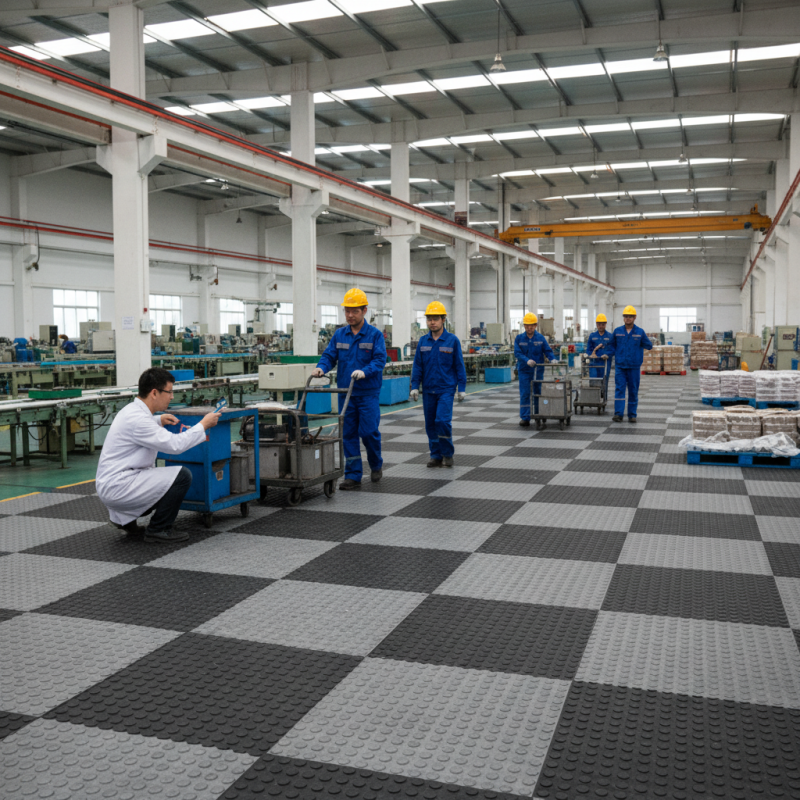
Types of Rubber Mats Used in Industrial Settings in China
Rubber mats play a crucial role in various industrial settings in China. Different types serve unique functions tailored to specific needs. For instance, anti-fatigue mats are designed to reduce discomfort for workers who stand for long periods. These mats improve productivity by enhancing comfort.
Another type is slip-resistant mats.
They provide excellent traction in wet or oily environments, ensuring safety. These mats are essential in industries like food processing and manufacturing. It's important to choose mats based on their intended use, as varying factors like thickness and material affect performance.
Tips:
- Regularly inspect mats for wear and damage.
- Replace them when they no longer provide adequate protection.
- Cleaning mats frequently is also crucial to maintain their effectiveness. A clean mat reduces slip hazards and can prolong its lifespan.
- Consider the specific needs of your workspace before making a choice.
Key Features to Consider When Choosing Rubber Mats
When selecting rubber mats for industrial use, key features must be evaluated carefully. Durability is critical; mats should withstand heavy machinery and frequent foot traffic. Studies indicate that industrial environments experience a 30% increase in accidents with inadequate flooring. Rubber mats reduce such risks by providing excellent grip, preventing slips and falls.
Another important feature is the mats' resistance to chemicals and oil. Many industrial settings involve exposure to harsh substances. According to industry reports, about 20% of workplace injuries stem from chemical spills. Mats designed with high resistance will mitigate these hazards efficiently.
Additionally, consider thickness and cushioning. Thicker mats offer better shock absorption. This is essential for reducing fatigue among workers standing for extended periods. Statistics show that fatigue-related injuries contribute to nearly 15% of all workplace incidents.
Ease of maintenance is also a vital aspect. Mats that are easy to clean can save significant time and costs. With a rise in demand for hygienic workspaces, mats that offer antimicrobial properties are becoming more popular. While many mats boast these benefits, choosing the right one based on specific needs can be a challenge. Each feature plays a role in ensuring safety and productivity, demonstrating the importance of informed selection.
Top Manufacturers of Rubber Mats for Industrial Use in China
When searching for the best rubber mats for industrial use in China, it's crucial to consider the top manufacturers in the industry. Reliable suppliers focus on high-quality materials. They ensure that their products meet safety and durability standards. The choice of rubber should be appropriate for specific applications, like anti-slip or heavy-load environments.
Several factors influence the quality of rubber mats. One is the thickness of the mat, which can determine its lifespan and resilience. Manufacturers often use synthetic materials to create mats that withstand heavy traffic. Investigating production methods helps in assessing a manufacturer's expertise. Look for companies that prioritize environmentally friendly processes.
However, not every manufacturer delivers consistent quality. Some may cut costs, impacting performance. Customer reviews offer insights into the reliability of different suppliers. Discrepancies in expectations often arise based on misleading marketing. Informed decisions require careful research into multiple aspects of each manufacturer’s offerings.
Applications and Benefits of Rubber Mats in Industries
Rubber mats are increasingly popular in various industrial settings. Their versatility makes them suitable for many applications. They provide cushioning and support, which are essential for worker safety. In factories, they can help reduce fatigue among employees who stand for long periods. Additionally, they can prevent slips and falls, decreasing workplace accidents.
In order to maximize their effectiveness, the right type of mat should be selected for specific tasks. For example, anti-fatigue mats are great for assembly lines, while anti-slip mats work well in wet areas. These mats also offer sound-dampening benefits, reducing noise pollution in busy environments. Workers often report feeling more comfortable when utilizing these mats over hard surfaces.
However, not all rubber mats are created equal. Some may wear out faster due to heavy machinery use. Regular inspection and maintenance are crucial to ensure safety and functionality. It’s essential to address wear and tear promptly. Investing in quality rubber mats can enhance both safety and productivity in industrial operations. Balancing cost with quality should be a continual consideration for industrial managers.
Maintenance and Care Tips for Industrial Rubber Mats
Rubber mats in industrial settings require consistent care to maintain their durability and effectiveness. Regular cleaning is essential. Dust, dirt, and grime can accumulate, leading to deterioration over time. Industry reports indicate that neglected mats can wear out 30% faster than those that are cleaned regularly. Using a simple solution of mild soap and water can effectively remove surface contaminants.
After cleaning, ensure the mats are thoroughly dried. Moisture can lead to mold and mildew. According to research, over 40% of industrial rubber mat failures are linked to improper drying. Inspecting mats for signs of wear and tear is crucial. Small cracks or thinning areas can compromise their functionality. Addressing these issues promptly can extend the life of the mats significantly.
Proper storage is another often-overlooked aspect of mat care. Stacking heavy items on mats can cause deformation. Ideally, mats should be laid flat or rolled when not in use. Environmental factors, such as exposure to extreme temperatures, can also impact their longevity. In fact, about 20% of mats fail due to unsuitable storage conditions. Taking care to provide the right environment will enhance their performance and lifespan considerably.
FAQS
: Industrial rubber mats vary, including anti-fatigue mats and slip-resistant mats, each serving specific needs.
Anti-fatigue mats help reduce discomfort for workers standing for long periods, boosting productivity and comfort.
Slip-resistant mats provide traction in wet or oily areas, ensuring safety, especially in food processing and manufacturing.
Thickness and material influence mat performance, so it's vital to choose based on intended use and environment.
Regular cleaning is key. Mats should be cleaned frequently to prevent dirt buildup and maintain effectiveness.
Inspect mats regularly for wear and damage. Addressing small issues promptly can extend their lifespan significantly.
Mats should ideally be laid flat or rolled when not in use. Stacking heavy items can deform them.
Neglecting cleaning and improper drying can lead to faster wear. Ensure mats are dry to prevent mold.
Yes, manufacturing methods and material choices affect quality. Researching this can ensure better purchases.
Not all manufacturers provide consistent quality; customer reviews can reveal the reliability of their products.
Conclusion
Rubber mats are essential components in various industrial settings in China, serving multiple purposes from safety to durability. With several types available, including anti-slip, anti-fatigue, and heavy-duty mats, industries can select options based on specific needs. When choosing rubber mats, key features such as thickness, surface texture, and resistance to chemicals and oils should be considered to ensure optimal performance.
The applications of rubber mats extend across diverse sectors, providing benefits such as improved traction, reduced fatigue for workers, and enhanced safety in hazardous environments. Regular maintenance and care are crucial to prolong the lifespan of these mats, ensuring they continue to provide effective support and protection. As industries evolve, the demand for high-quality rubber mats is anticipated to grow, underscoring their importance in workplace safety and efficiency.

 101 Rubber