As the global demand for efficient heating, ventilation, and air conditioning (HVAC) systems escalates, Molded HVAC Duct solutions have emerged as a crucial component. Recent market analysis indicates a projected growth rate of 10% annually within the HVAC sector over the next five years. This surge underscores the importance of innovative duct solutions that improve airflow efficiency and energy savings.
China has positioned itself as a leader in the production and export of Molded HVAC Duct systems. These solutions are tailored to meet diverse global standards while ensuring quality. Notably, industry leaders have highlighted the cost-effectiveness and durability of molded ducts, making them an attractive option for global buyers. However, challenges remain. Some manufacturers face difficulties in maintaining quality control amidst rapid production demands.
Consumers often report issues with compatibility and installation processes. It is vital to address these concerns through improved design and customer education. By leveraging expert insights and data-driven approaches, Chinese manufacturers can refine their Molded HVAC Duct offerings. Focusing on sustainability and innovation will help to enhance product reliability, ultimately benefiting both suppliers and customers worldwide.
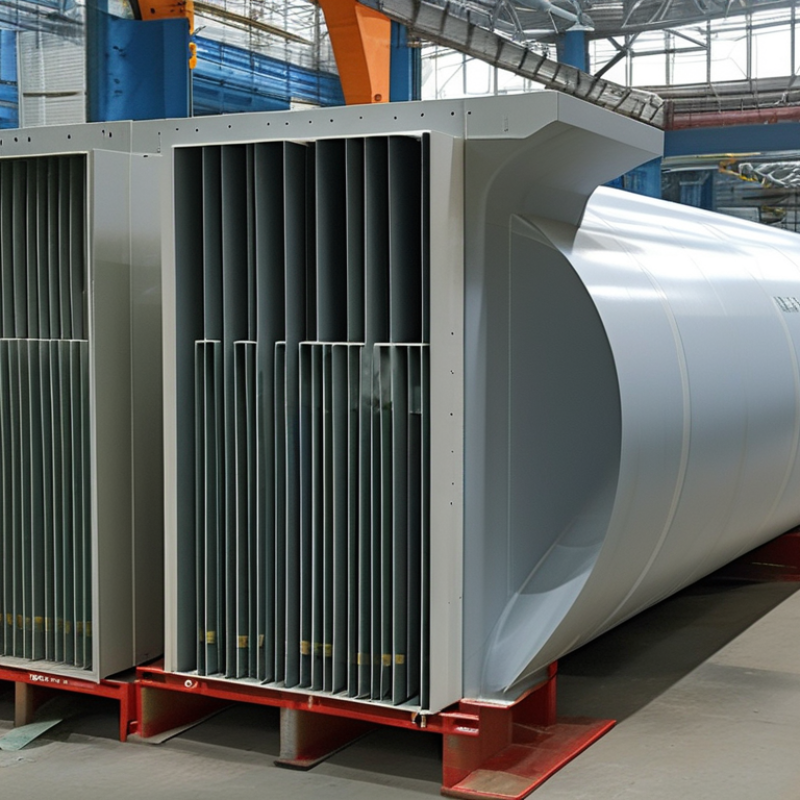
Overview of Molded HVAC Duct Solutions in China
In recent years, China's molded HVAC duct solutions have gained attention in the global market. These products are known for their energy efficiency and cost-effectiveness. According to a report by the International Energy Agency, buildings account for nearly 30% of global energy consumption. Thus, efficient HVAC systems are critical for reducing this figure.
China's molded duct systems can address issues like inconsistent airflow and thermal losses. Data suggests that such systems can improve HVAC efficiency by up to 20%. The manufacturing processes involve advanced materials and designs, aimed at durability and flexibility. There is still a need for improvement in quality control measures to ensure consistent performance.
When selecting molded HVAC ducts, consider these tips:
- Examine material specifications and insulation capabilities.
- Look for suppliers with strong certifications and quality history.
- It's crucial to stay informed about new materials and technological advancements in the industry.
Transitioning to molded solutions can enhance performance, but buyers must conduct due diligence.
Key Manufacturers and Their Innovations in HVAC Ducts
In the competitive landscape of HVAC duct solutions, several key manufacturers are driving innovative changes. By integrating advanced materials and technologies, they are reshaping the duct manufacturing process. These innovations include lightweight yet durable composite materials, which enhance efficiency. Manufacturers are exploring custom molding techniques that create ducts tailored to specific needs. This focus on precision can reduce installation times significantly.
Moreover, some companies are prioritizing eco-friendly practices. They aim to minimize waste in production and use recyclable materials. This approach adheres to sustainable objectives that many buyers are beginning to prioritize. However, these green innovations often come with challenges. For instance, balancing cost-effectiveness with sustainable choices can be difficult. Manufacturers may face obstacles when convincing traditionalists to embrace these new materials.
Another notable trend is the development of duct systems that ensure better airflow and lower energy consumption. This innovation can lead to significant savings for consumers. While these advancements create opportunities, they also demand rigorous testing and quality control. Ensuring reliability remains a hurdle in a rapidly evolving market. Companies must commit to continual improvement to gain trust from global buyers.
Benefits of Using Molded HVAC Ducts for Global Market
Molded HVAC ducts are gaining popularity among global buyers due to their efficiency and performance. This innovation enhances airflow while minimizing energy loss. According to a recent industry report, molded ducts can improve energy efficiency by up to 30%. This statistic highlights their potential for reducing operational costs in various applications.
The lightweight design of molded ducts is another key benefit. They are easier to install, which decreases labor costs. Moreover, their flexibility allows for better customization in different environments. A study indicated that businesses can save around 20% on installation time with molded solutions compared to traditional materials. However, some challenges exist. The initial investment may be higher, impacting budget decisions for smaller projects.
Sustainability is a critical factor. Molded HVAC ducts are often made from recyclable materials, aligning with eco-friendly practices. Still, buyers should consider the long-term implications of their choices. Balancing cost and sustainability is essential in decision-making. As global markets evolve, the demand for high-quality, efficient HVAC solutions will likely continue to rise. Buyers must stay informed about evolving trends and adapt their strategies accordingly.
China Best Molded HVAC Duct Solutions for Global Buyers
Sustainability and Eco-Friendliness of Molded HVAC Solutions
Molded HVAC duct solutions are gaining traction worldwide. Their eco-friendliness is an essential aspect to consider. These ducts are often made from materials that reduce environmental impact. They can be designed to improve energy efficiency and minimize waste. In a world facing climate challenges, such solutions are crucial.
When selecting molded HVAC ducts, buyers should prioritize sustainability. This means looking for products with a low carbon footprint. Eco-friendly materials should be at the forefront. Additionally, consider how the ducting fits into existing systems. Compatibility is vital for maximizing efficiency. Sometimes, older systems might struggle with new technology.
Tips: Always ask about the sustainability certifications. Ensure the materials are non-toxic and recyclable. Look for suppliers that practice ethical sourcing. Quality often reflects a commitment to eco-friendly standards. The molded HVAC industry is evolving, yet some offerings can be subpar. Researching thoroughly can lead to better choices. Your decision impacts both the environment and your project's success.
Challenges and Considerations for International Buyers
When considering molded HVAC duct solutions from China, international buyers face various challenges. One significant hurdle is quality assurance. Buyers must navigate through varying standards and certifications. Finding reliable suppliers that meet international quality expectations can be daunting. Clear communication is crucial. Language barriers may lead to misunderstandings about specifications and requirements.
Another challenge lies in logistics. Shipping times and costs can fluctuate. Buyers must account for customs regulations and potential delays. It's essential to build a robust shipping plan that includes these variables. Relying on a single logistics partner could increase risk. Hence, diversifying shipping options may mitigate unexpected issues.
Cultural differences can also impact business relationships. Understanding regional practices and negotiation styles is vital. Buyers should be open to adapting their strategies. Building trust takes time and requires effort. Reflecting on these challenges can lead to better decisions and partnerships. Awareness and preparation will ultimately enhance the procurement process.
China Best Molded HVAC Duct Solutions for Global Buyers? - Challenges and Considerations for International Buyers
| Dimension |
Specification |
Material |
Usage |
Challenges |
| 12 x 6 inches |
Medium Airflow |
PVC |
Residential HVAC |
Import Regulations |
| 10 x 8 inches |
High Airflow |
Metal |
Commercial HVAC |
Quality Control |
| 8 x 8 inches |
Standard Airflow |
Fiberboard |
Industrial HVAC |
Shipping Costs |
| 14 x 10 inches |
Custom Airflow |
Aluminum |
Custom Installations |
Cultural Differences |
| 16 x 8 inches |
High Efficiency |
Insulated |
Energy Saving Systems |
Certification Issues |
Conclusion
The article "China Best Molded HVAC Duct Solutions for Global Buyers" provides an insightful overview of the molded HVAC duct solutions available in China. It highlights key manufacturers and their innovative approaches that set them apart in the global market. The benefits of using molded HVAC ducts include improved efficiency and reduced installation times, making them increasingly appealing to international buyers.
Additionally, the article emphasizes the sustainability and eco-friendliness of these molded solutions, aligning with the growing demand for green building practices. However, it also outlines the challenges and considerations that international buyers should keep in mind, such as quality standards and logistics. Overall, these molded HVAC ducts represent a significant advancement in ductwork technology, offering numerous advantages for global markets.

 101 Rubber