How to Choose the Right Rubber Gripper Supplier?

Time:2026-10-17 Author:Aria
0%

Choosing the right Rubber Gripper supplier can influence product quality, machine uptime, and customer satisfaction. The decision deserves more than a quick price comparison. A reliable supplier should understand how rubber performs under pressure, heat, oil, dust, and repeated contact.

Start by examining practical experience. Ask whether the supplier has produced grippers for your industry and operating conditions. Request samples, material specifications, hardness data, and test results. A useful supplier should explain why a particular compound, texture, or design fits your application. Look closely at the details. Does the gripper hold a smooth glass bottle without leaving marks? Can it maintain traction after thousands of cycles? These questions reveal more than a polished brochure.

Quality systems also matter. Check production consistency, inspection procedures, traceability, and communication speed. Certifications may support credibility, but they should not replace independent evaluation. Test samples on your actual equipment, because laboratory performance may not match factory conditions. Small differences in temperature, alignment, or load can change results. This is where some buyers make mistakes.

Price still matters. It is not everything.

A trustworthy Rubber Gripper supplier will discuss tolerances, lead times, replacement plans, and possible design limitations openly. They should provide clear drawings and realistic delivery information. Be cautious when promises sound perfect. No supplier can eliminate every production risk. The strongest partnerships allow questions, corrections, and continuous improvement. Your final choice should reflect evidence, application knowledge, and confidence built over time.
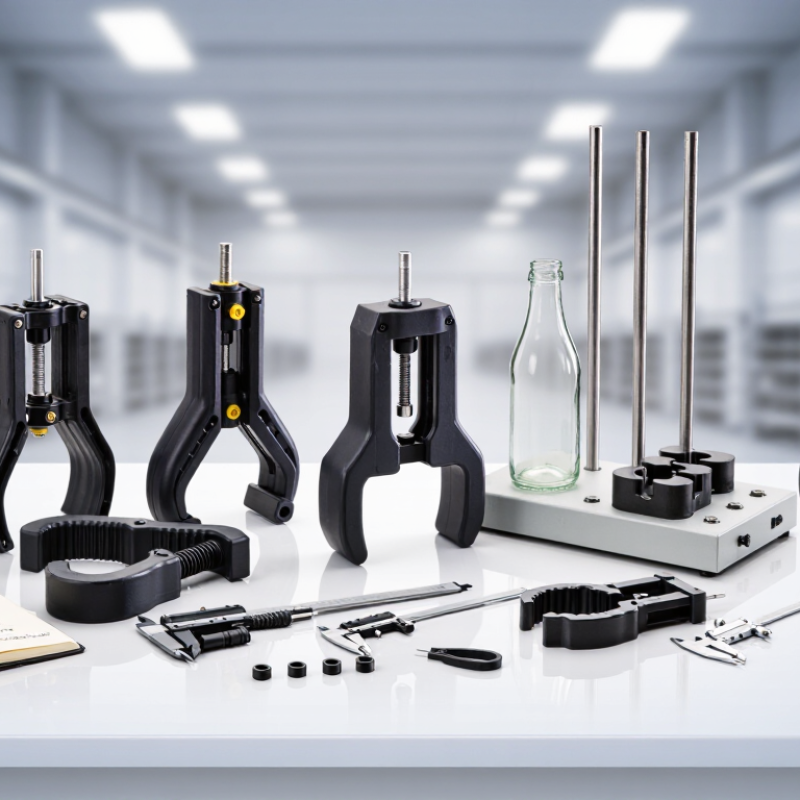
How to Choose the Right Rubber Gripper Supplier?

Define Your Rubber Gripper Requirements and Application Conditions

Before comparing suppliers, define what the rubber gripper must hold. A gripper for polished glass needs different behavior from one handling rough castings. Record object weight, dimensions, surface texture, temperature, moisture, oil exposure, and cycle rate. Include the smallest and largest workpiece. These details prevent vague requests. Keep samples available.

During production trials, measure hardness, elasticity, friction, compression set, and tear resistance. Shore A hardness matters, but it cannot predict every gripping result. Contact shape and pressure can change performance dramatically. Note whether the gripper uses vacuum assistance, mechanical clamping, or both. Check available space, stroke, mounting limits, and cleaning methods. A reliable supplier should explain testing procedures and provide traceable data, not only catalog figures. Request sample testing under real loads. Short trials reveal slipping, marking, swelling, and fatigue.

Do not ignore the working environment. Heat near an oven, coolant mist, sunlight, and abrasive dust can shorten service life. Define acceptable marks and allowable grip loss. I once focused too heavily on initial holding force and overlooked repeated deformation. That mistake increased replacement work. A better specification includes target cycles, safety factors, inspection intervals, and failure criteria. If conditions are uncertain, state that clearly. A capable supplier should question missing information and recommend controlled validation. The final selection should follow evidence from the actual process, even when the first design seems convenient.

Assess Supplier Expertise, Manufacturing Capabilities, and Quality Systems

How to Choose the Right Rubber Gripper Supplier?

Assess Supplier Expertise, Manufacturing Capabilities, and Quality Systems

Choosing a rubber gripper supplier begins with application knowledge. The supplier should understand grip force, surface texture, temperature, abrasion, and chemical exposure. Ask how the rubber compound suits your material and operating cycle. A capable engineer will discuss failure risks, not only quote a price. I once reviewed a gripper that performed well in testing but hardened after repeated heat exposure. The lesson was clear: short trials can hide long-term problems.

Manufacturing capability should be visible through tooling control and process records. Ask whether the supplier manages mold design, mixing, molding, trimming, and dimensional inspection internally. Check how they control flash, hardness, wall thickness, and bonding areas. Request sample parts from a normal production run, not only polished prototypes. Measure them with practical tools, such as a Shore hardness tester and digital calipers. Small variations matter. A loose gripper may drop parts, while excessive force can mark delicate surfaces.

Quality systems provide the evidence behind technical promises. Look for incoming material checks, batch numbers, inspection plans, and documented corrective actions. Traceability should connect each part to its compound batch, mold, operator, and inspection result. Ask for test data from pull-off, compression, aging, or cycle testing when relevant. A supplier with mature controls will explain an occasional defect honestly and show the response. No system is flawless. Your own review should question missing records, unclear acceptance limits, and attractive samples that cannot be repeated in production.

Compare Material Options, Product Designs, and Customization Services

How to Choose the Right Rubber Gripper Supplier?

Material selection should match the working environment, not just the purchase price. The International Rubber Study Group’s 2024 outlook places global natural rubber demand above 15 million tonnes. This scale shows why material traceability matters.

Natural rubber offers strong elasticity and grip. Nitrile performs better around oils and fuels. Silicone tolerates wider temperature changes, but it may tear more easily under sharp edges. I once treated hardness as the main filter. That was a mistake. Shore hardness alone cannot predict real gripping performance.

Product design deserves equal attention. A reliable supplier should review contact pressure, wall thickness, rib geometry, and release angles. Thin lips can improve flexibility, yet they may collapse under repeated loads. Deep grooves improve traction, but they can collect dust.

Ask for test results covering tensile strength, abrasion, compression set, and temperature resistance. ISO 37 and ISO 815-1 provide useful testing references. Small details matter.

Customization should include CAD review, prototype sampling, mold development, and batch inspection. Grand View Research forecasts continued growth in the global rubber market through 2030, with product performance driving demand. However, market growth does not guarantee supplier quality.

Request material certificates, dimensional reports, and lot traceability. Confirm whether the supplier can adjust compound formulas without changing grip behavior. A small pilot run is wiser than a large first order. Even experienced teams miss one variable sometimes. That is why field testing remains essential.

Verify Testing Standards, Certifications, Delivery Capacity, and Support

Choosing a rubber gripper supplier requires more than comparing unit prices. Testing evidence should match your operating conditions, including load, temperature, oil exposure, and cycle frequency. Ask for reports covering tensile strength under ASTM D412, compression set under ASTM D395, and dimensional tolerances under ISO 3302-1. Reports should identify the compound, batch number, test date, laboratory, and acceptance limits. Check the scope.

The 2023 ISO Survey recorded 1,265,216 ISO 9001 certificates worldwide. This scale makes certification common, not automatically meaningful. Verify the certificate’s scope, issuing body, expiration date, and production site. Independent laboratories should preferably follow ISO/IEC 17025 practices. Also request material declarations and change-control procedures. A certificate alone is insufficient.

Delivery capacity deserves equal attention. The International Federation of Robotics reported 541,302 new industrial robots installed in 2023. Growing automation increases demand for reliable gripping components and replacement stock. Ask for monthly output, mold availability, raw-material buffers, lead-time history, and contingency plans. Support should include sample approval, technical drawings, traceability, and a defined response time. One practical test is a small pilot order with measurable targets. I would not reject a supplier for one imperfect sample, but unexplained variation is serious. Real production includes variation. The supplier should investigate it, document the cause, and show corrective action.

Evaluate Pricing, Long-Term Reliability, and Supplier Communication

How to Choose the Right Rubber Gripper Supplier?

Pricing matters, but the lowest quotation can hide expensive risks. Compare material grade, tooling fees, minimum order quantities, packaging, and delivery charges. Ask for a cost breakdown. A reliable supplier should explain every line clearly. Check how pricing changes when order volume, rubber formulation, or inspection requirements change. One small omission can distort your budget.

Long-term reliability requires evidence, not confident promises. Request sample parts, material certificates, dimensional reports, and traceability records. Examine grip performance after repeated compression, temperature changes, oil exposure, and cleaning cycles. A supplier with stable production should control rubber hardness, surface finish, and curing conditions. Visit the facility when practical. Look at mold storage, inspection tools, and rejected parts. I have seen attractive samples fail during extended use. Testing must continue beyond the first approval.

Communication often reveals the supplier’s real working habits. Ask who handles technical questions and how quickly they respond. Good partners confirm drawings, tolerances, packaging details, and revision changes in writing. They should report delays early, not after shipment dates pass. Request a sample schedule with clear approval points. Communication is not always perfect. Misunderstandings still happen. A strong supplier corrects them openly and documents the fix. During evaluation, send a realistic problem, such as inconsistent grip force, and observe the response. Their answer may be more valuable than their sales presentation.

FAQS

What information should I provide before choosing a rubber gripper?

Describe the workpiece weight, size, texture, temperature, moisture, oil exposure, and cycle rate. Include the smallest and largest parts. Keep physical samples available. Missing details create weak comparisons.

How can I test a gripper under real conditions?

Use production-like loads, speeds, temperatures, and cleaning methods. Measure slipping, surface marks, swelling, fatigue, and grip loss. Test short cycles first. Then test repeated deformation. Initial holding force can mislead.

Which rubber material suits oily or hot environments?

Oil-resistant rubber suits contact with oils and fuels. Silicone handles wider temperature changes. Natural rubber provides strong elasticity and grip. Sharp edges may tear softer compounds. No material wins everywhere.

Is Shore hardness enough for selecting a gripper?

No. Hardness does not predict every gripping result. Contact shape, pressure, friction, and wall thickness also matter. A soft lip may grip well, then collapse. Test the complete design.

What design details should a supplier review?

Ask for reviews of contact pressure, rib geometry, wall thickness, and release angles. Deep grooves can improve traction. They can also collect dust. Thin lips improve flexibility but may fatigue sooner.

What customization services are useful?

Useful services include drawing review, prototype sampling, mold development, and batch inspection. Request dimensional reports and material certificates. Confirm lot traceability. A small pilot run is safer than a large first order.

How should I compare supplier pricing?

Request separate prices for material, tooling, minimum quantities, packaging, delivery, and inspection. Ask how formulation changes affect costs. One omitted fee can distort your budget. Cheap is not always cheap.

How can I judge long-term supplier reliability?

Review sample parts, repeated-compression results, temperature tests, oil tests, and cleaning-cycle results. Check rejected parts and inspection equipment when possible. Ask for clear approval points. Attractive samples can still fail later.

What communication habits indicate a dependable supplier?

Notice how the supplier handles technical questions and drawing changes. Confirm tolerances, packaging, revisions, and delivery dates in writing. Send a realistic grip-force problem. Their response may reveal more than a polished presentation. Mistakes happen. Open correction matters.

Conclusion

Choosing the right Rubber Gripper supplier begins with a clear understanding of your application. Define the required gripping force, size, shape, operating temperature, surface conditions, load, cycle frequency, and environmental exposure. These factors will help you identify suitable materials, designs, and performance requirements. Next, evaluate each supplier’s technical expertise, manufacturing capabilities, quality management systems, and experience with similar applications.

A reliable supplier should offer appropriate material options, precise product designs, and practical customization services. Confirm that products are supported by relevant testing procedures, certifications, stable production capacity, dependable delivery schedules, and responsive technical support. Beyond initial pricing, consider product lifespan, maintenance needs, consistency between batches, and the supplier’s ability to communicate clearly throughout development and production. A supplier that combines sound engineering, transparent service, dependable quality, and long-term cooperation can help reduce operational risks and ensure that the Rubber Gripper performs consistently in real working conditions.


Aria

Aria

Aria is a dedicated marketing professional with a deep passion for innovative strategies and a keen understanding of our company's product offerings. With a wealth of experience in the industry, Aria excels at crafting engaging content that highlights the unique features and benefits of our......