
10 Tips for Choosing the Right Rubber Caps

Time:2026-10-02 Author:Madeline
0%

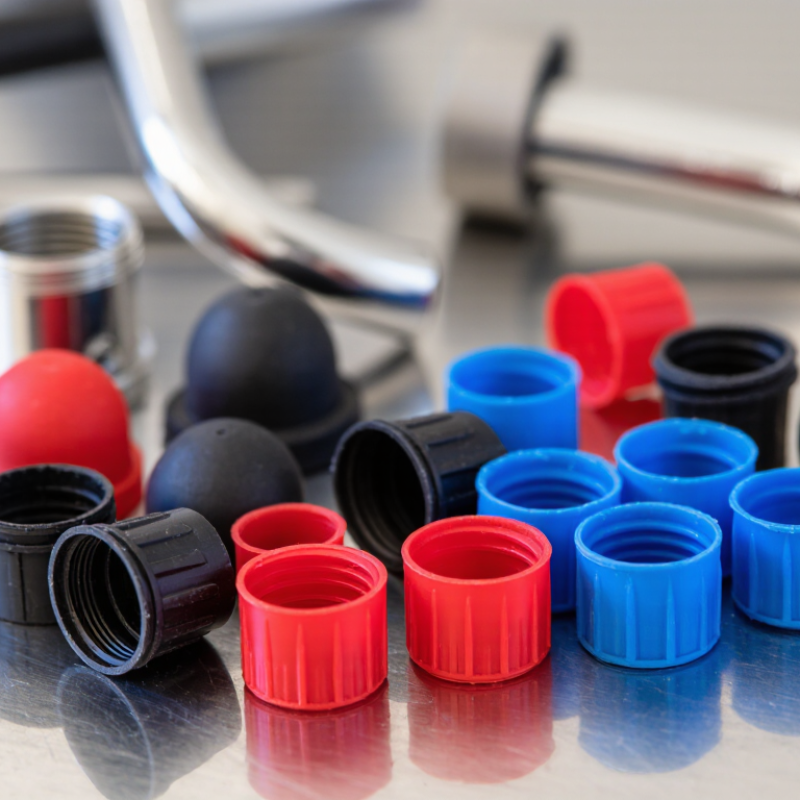
Choosing the right Rubber Caps is a small decision with significant consequences. A cap may protect a threaded opening, seal a medical component, or shield a polished metal surface during transport. Its shape looks simple. Its performance is not.

Rubber technologist Dr. James E. Mark once stated, “Material performance depends on structure, processing, and service conditions.” This principle guides every reliable cap selection. Buyers should examine the rubber compound, hardness, temperature range, chemical exposure, compression behavior, and expected service life. A cap that fits tightly in a warehouse may loosen after repeated heating. Another may resist oil but crack under ultraviolet light. Details matter.

This guide, “10 Tips for Choosing the Right Rubber Caps,” turns those concerns into practical checkpoints. It considers dimensions, sealing pressure, flexibility, color, surface finish, packaging, testing, and supplier consistency. It also asks uncomfortable questions. Is the quoted size based on an actual drawing? Has the cap been tested with the intended fluid? Will workers remove it easily while wearing gloves?

A perfect choice is not guaranteed.

Real applications change. Production teams make assumptions. Samples can behave differently from bulk orders. That is why dependable selection combines technical data with hands-on evaluation. Measure the opening with care. Test several caps. Observe them after installation, storage, and removal. The best Rubber Caps are not merely inexpensive or attractive. They remain stable, functional, and suitable for the conditions they must face.

10 Tips for Choosing the Right Rubber Caps

Define the Purpose and Working Conditions of the Rubber Cap

Define the Purpose and Working Conditions of the Rubber Cap

Choosing a rubber cap starts with its job, not its appearance. Is it sealing a pipe, covering a sharp stud, or protecting a cable end? Each purpose creates different demands. A cap used for dust protection may need flexibility, while a pressure seal needs controlled compression and strong recovery. Write down the function before checking sizes. Small details matter.

Working conditions often decide whether a cap performs reliably. Record the operating temperature, pressure, moisture level, and exposure to oils or cleaning chemicals. Outdoor parts may face sunlight, ozone, and repeated temperature changes. A cap that feels soft in the workshop can become brittle near a hot engine. It may also swell after contact with an unsuitable fluid. Material compatibility deserves careful attention.

Measure the covered component at several points. Manufacturing tolerances and surface roughness can change the fit. I have seen caps fail because the diameter was measured only once. That mistake is easy to repeat. Check installation force, stretching limits, and possible movement during service. Review technical data, test results, and applicable specifications from qualified suppliers. If conditions are uncertain, test a sample through realistic temperature and chemical exposure. One overlooked condition can shorten service life.

Match Cap Materials with Chemical, Thermal, and Environmental Exposure

10 Tips for Choosing the Right Rubber Caps

Match Cap Materials with Chemical, Thermal, and Environmental Exposure

Tip 1: Identify every fluid touching the cap. Oils, acids, solvents, and cleaning agents can attack rubber differently.

Tip 2: Check temperature peaks, not only normal operating heat. Short spikes may cause swelling, cracking, or permanent deformation.

Tip 3: Compare material resistance charts with real exposure times. A chart is useful, but it cannot replace testing.

Tip 4: Consider silicone for wide temperature ranges and flexibility. However, it may perform poorly against some fuels and solvents.

Tip 5: Consider EPDM for water, steam, and outdoor weathering. Avoid it where petroleum oils are present.

Tip 6: Nitrile rubber often suits oils and greases, but ozone can shorten its service life.

Tip 7: Choose fluorocarbon rubber for demanding chemical and heat exposure. It can still fail when conditions exceed its specific grade.

Tip 8: Inspect the cap’s compression fit. Too much stretching may create thin areas and early tears.

Tip 9: Account for sunlight, ozone, humidity, dust, and salt spray. Outdoor exposure is rarely just one problem.

Tip 10: Request a sample and test it under actual conditions.

I once approved a cap based on temperature alone. The material softened after repeated chemical cleaning. That mistake changed my process. I now record fluid concentration, contact time, pressure, and temperature before selecting a compound.

Storage also matters. Keep caps away from sunlight, heat, and ozone-producing equipment. Even the correct material can age badly when stored carelessly.

Choose the Correct Size, Shape, and Sealing Method

10 Tips for Choosing the Right Rubber Caps

Choose the Correct Size, Shape, and Sealing Method

Measure the part with a calibrated caliper, not by sight. Record the outside diameter, inside diameter, length, and wall thickness. A cap should grip firmly without stretching beyond its rated range. Excessive stretch can create thin spots and early cracking. A loose cap may collect dust, loosen under vibration, or allow moisture to enter.

Match the cap shape to the component’s geometry. Tapered caps suit parts with changing diameters, while straight-wall caps work better on uniform surfaces. Flanged designs can cover an edge and improve handling. Domed tops protect exposed ends from light impacts. Check corners carefully. Sharp edges may cut the rubber unless the cap includes a thicker lip. Small details matter.

Choose the sealing method according to actual service conditions. An interference fit is useful for temporary protection and frequent removal. A compression seal provides stronger resistance to water, dust, and pressure changes. For heat, oils, or outdoor exposure, confirm material compatibility from technical data. Test samples at the expected temperature and with the actual fluid. Inspect them after cycling.

In my early fitting checks, I focused too much on diameter. That was a mistake. Length and surface texture also affected retention. A practical trial uses several sizes, then checks removal force, leakage, and visible deformation. Test more than one batch when consistency matters. Rubber can vary slightly between production runs.

Evaluate Flexibility, Durability, and Required Performance

10 Tips for Choosing the Right Rubber Caps

Evaluate Flexibility, Durability, and Required Performance

Rubber caps should fit the application, not merely the visible opening. Measure the outer diameter, wall thickness, and insertion depth carefully. A cap that feels flexible in your hand may become rigid in cold conditions. Check the working temperature range and test samples in realistic conditions. Small errors matter.

Tip 1: Select flexibility according to installation force.

Tip 2: Check recovery after stretching.

Tip 3: Match the rubber compound to oils, moisture, sunlight, or cleaning agents.

Tip 4: Inspect the sealing lip under light pressure. It should contact evenly without folding.

I once chose a softer cap for faster installation, but it loosened during vibration. That mistake changed my testing habits.

Tip 5: Assess tear resistance around thin edges.

Tip 6: Confirm compression performance over time.

Tip 7: Test repeated removal if maintenance is expected.

Tip 8: Compare hardness, but do not treat hardness as quality.

Tip 9: Review dimensional tolerance from the supplier.

Tip 10: Test the cap on actual components, including rough or painted surfaces.

A simple water, heat, and vibration check can reveal weaknesses early. Document the results, even when they seem obvious.

My own early tests were too brief, and I overlooked gradual deformation. A longer trial often gives more reliable evidence.

Verify Quality Standards, Compatibility, and Total Cost

10 Tips for Choosing the Right Rubber Caps

Quality should be verified before price becomes the main discussion. Ask for material specifications, inspection records, and batch traceability. Relevant standards may cover dimensions, hardness, aging, chemical resistance, or compression set. The correct standard depends on the application. A certificate alone is not enough. Request sample data and confirm how the tests were performed. During a recent component review, a cap passed basic inspection but softened after repeated heat exposure. The first check was too narrow.

Compatibility requires more than matching diameter. Measure the opening, wall thickness, groove depth, and sealing surface. Check the rubber’s hardness and flexibility under real operating temperatures. Exposure to oil, moisture, dust, or cleaning fluids can change performance. A small tolerance error may cause slipping or difficult installation. Test several samples on the actual component. Do not rely only on a catalog drawing. That shortcut often creates avoidable rework.

Total cost includes more than the unit quotation. Add tooling, sampling, freight, storage, installation time, rejects, and replacement labor. A cheaper cap may increase costs through leakage or frequent removal. Ask whether tooling charges apply to design changes. Review minimum order quantities and expected service life. I have sometimes focused too heavily on purchase price. That was a mistake. A practical comparison should show cost per reliable service cycle, not cost per piece. Small details matter.

FAQS

How should I choose a rubber cap material?

List every contacting fluid, including oil, acid, solvent, and cleaning solution. Short exposure can still matter. Compare resistance data with real contact time and temperature. Test samples whenever possible.

Why are temperature peaks important?

Normal heat may look safe, while short spikes cause swelling, cracking, or permanent deformation. Record the highest temperature. Include pressure and exposure duration. I once checked only average temperature, and that judgment failed.

Which rubber suits water, steam, and outdoor weather?

EPDM often performs well with water, steam, sunlight, and weathering. Do not use it around petroleum oils. Outdoor conditions also include ozone, dust, humidity, and salt spray.

When is silicone rubber a useful choice?

Silicone offers flexibility across wide temperature ranges. However, some fuels and solvents can damage it. A soft sample is not proof of chemical compatibility.

What should I know about nitrile and fluorocarbon rubber?

Nitrile rubber commonly suits oils and greases, but ozone may shorten its life. Fluorocarbon rubber handles demanding chemical and heat exposure. Specific grades still have limits. Check the exact conditions.

How can I confirm a cap fits correctly?

Measure the outer diameter, wall thickness, and insertion depth. Inspect the sealing lip under light pressure. It should contact evenly without folding. Too much stretching can create thin areas and tears.

How should flexibility and durability be tested?

Check installation force, recovery after stretching, and tear resistance near thin edges. Test repeated removal if maintenance requires it. Use actual components, including rough or painted surfaces. My early tests were too brief.

What practical test should I perform before approval?

Request samples and test them with realistic water, heat, vibration, and chemical exposure. Measure gradual deformation over a longer trial. Document fluid concentration, contact time, pressure, and temperature. Simple tests can reveal uncomfortable weaknesses.

Conclusion

Choosing the right Rubber Caps begins with understanding their purpose and operating conditions. Consider whether the cap is intended to protect openings, seal components, prevent contamination, or provide insulation. The working environment also matters, including exposure to chemicals, heat, cold, moisture, pressure, sunlight, and repeated handling. Select a material that can withstand these conditions without becoming brittle, swollen, distorted, or weakened. Accurate measurements are equally important, so evaluate the cap’s inner diameter, outer dimensions, wall thickness, shape, and sealing method to ensure a secure and practical fit.

You should also assess flexibility, durability, abrasion resistance, and the performance required over the product’s expected service life. Before making a final decision, verify relevant quality standards, material compatibility, manufacturing consistency, and application-specific requirements. Although the lowest price may seem attractive, total cost should include installation, maintenance, replacement frequency, and potential failure risks. A balanced evaluation of performance, reliability, and long-term value will help you select Rubber Caps that provide effective protection and dependable sealing.

Madeline

Madeline

Madeline is a dedicated marketing professional with a wealth of expertise in our company's core offerings. With a keen understanding of the industry, she brings a unique perspective to her role, consistently delivering high-quality content that highlights the superior aspects of our products. As......