In the world of industrial sealing, Rubber O-Rings play a crucial role. Experts in the field emphasize the importance of choosing the right supplier. John Smith, a leading expert in elastomer technology, states, “Quality seals can significantly impact performance and reliability.” When sourcing Rubber O-Rings, buyers must be diligent and informed about their selection process.
Understanding the materials and specifications is vital. Different applications require different requirements. An O-Ring that doesn’t meet the necessary standards can lead to costly failures. The market is filled with many suppliers, but not all offer reliability. It’s essential to consider factors such as material compatibility, temperature resistance, and durability.
Engaging with experienced suppliers can guide buyers toward the right choices. Relationships in the industry often reveal insights into product performance. However, relying solely on recommendations without personal research may be a mistake. Thorough testing and validation remain key to ensuring optimal performance. Ultimately, the right Rubber O-Ring supplier can make a substantial difference in your project's success.
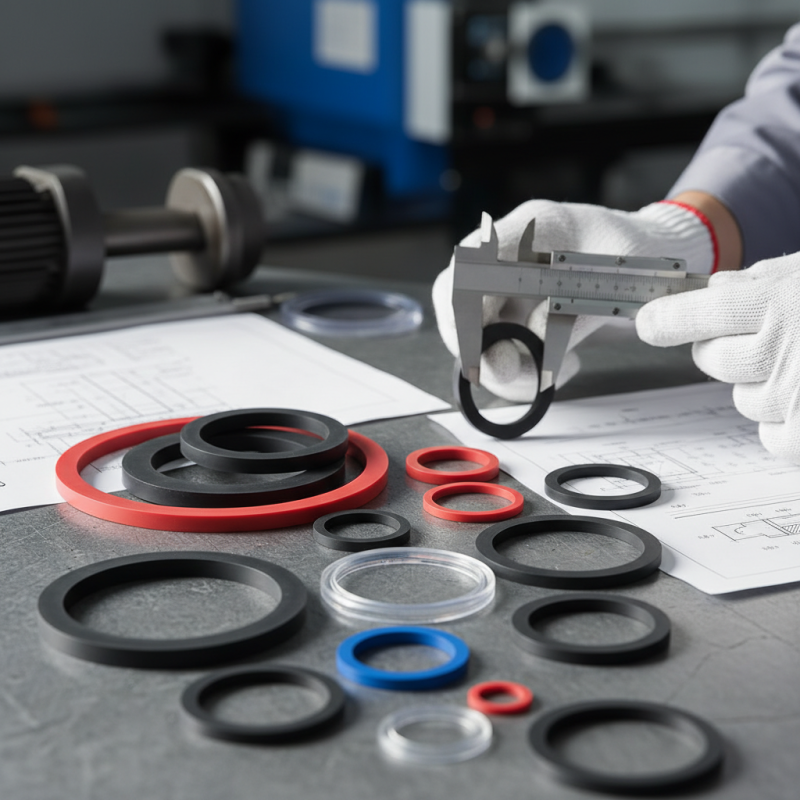
O-rings play a crucial role in sealing applications across various industries. Their primary function is to prevent the leakage of fluids and gases. These rings are often made from rubber or other elastomeric materials, offering flexibility and resilience under pressure. Understanding how O-rings work is essential for selecting the right materials and designs for specific projects.
When selecting O-rings, consider the application environment. Temperature, pressure, and the type of fluid or gas involved are key factors. Always ensure that the O-ring material is compatible with the substances it will seal. This helps avoid degradation and prolongs the lifespan of your seals.
Here are some tips for choosing the right O-ring:
- Check the hardness rating. Different applications require different durometers.
- Opt for the right size. An incorrect size can lead to leaks.
- Evaluate the required compressibility. This affects sealing effectiveness under pressure.
Remember, not all O-rings perform equally. Testing and validation are vital for ensuring performance. Keep in mind the potential for material failure in extreme conditions. Small variations in design or material can greatly impact functionality. Careful consideration and testing can save time and resources in the long run.
| Feature | Description | Considerations |
|---|---|---|
| Material Type | Common materials include Nitrile, Silicone, and Viton. | Choose based on chemical compatibility and temperature range. |
| Sizing | O-Rings come in various sizes; proper fit is essential. | Refer to standard sizing charts and measure accurately. |
| Temperature Resistance | Different materials handle different temperatures. | Ensure material selected suits application's thermal requirements. |
| Pressure Rating | O-Rings can be used in low to high-pressure applications. | Verify pressure limits for material and design. |
| Surface Finish | Smooth surfaces reduce wear and tear on O-Rings. | Consider finish quality of mating surfaces in design. |
| Environmental Considerations | O-Rings should resist oil, water, and other fluids. | Identify potential exposure to chemicals or harsh conditions. |
: Look for certifications like ISO 9001. This indicates a good quality management approach.
Experience matters. Suppliers with years of experience understand O-ring manufacturing better.
Engage with them about materials and testing procedures. This shows their commitment to quality.
Check their track record on delivery deadlines. A reliable supplier minimizes operational risks.
Yes, many are using recycled materials to meet consumer demands for eco-friendly products.
Sourcing eco-friendly materials can be difficult and often costs more than traditional options.
Many are exploring renewable energy sources to improve efficiency and reduce their carbon footprint.
Yes, it’s expected to grow by over 5% annually, providing opportunities for forward-thinking suppliers.
Clear communication fosters better relationships and helps avoid misunderstandings during production.
They must adapt, invest in new technologies, and continuously improve their practices.
When considering the purchase of Rubber O-Rings, it's essential to understand their critical role in sealing applications across various industries. The selection process should begin with a thorough evaluation of the material properties that ensure optimal performance, such as elasticity, resistance to temperature, and chemical compatibility. Additionally, potential buyers should assess the capabilities of global suppliers by reviewing their quality assurance measures and adherence to certification standards, which guarantee that the O-Rings meet necessary specifications.
Cost analysis is another vital aspect, as budgeting for Rubber O-Ring purchases globally can significantly impact overall project expenses. Lastly, it's important to stay informed about sustainability trends in the manufacturing and sourcing of Rubber O-Rings, as many suppliers are now adopting environmentally friendly practices to minimize their ecological footprint. By focusing on these key areas, buyers can make informed decisions that enhance their operational efficiency while ensuring the reliability of their sealing solutions.

 101 Rubber