Rubber packing plays a crucial role in various industries today. This durable material provides essential sealing and protection for countless applications. From automotive to food processing, the benefits of rubber packing are far-reaching.
Using rubber packing enhances product integrity and extends equipment lifespan. Its flexibility allows for easy installation in diverse settings. However, not all rubber packing solutions are equal. Businesses must assess their specific needs before choosing a provider.
Companies can experience setbacks if they overlook the importance of high-quality rubber packing. Some may choose lower-cost options, only to face leaks or product failures. This reflection highlights the need for informed decisions to ensure reliability. Embracing the right rubber packing can significantly improve operational efficiency and customer satisfaction.
What is Rubber Packing?
Rubber packing is a versatile sealing solution commonly used in various industries. This material is favored for its elasticity and durability. It provides excellent resistance to heat, moisture, and chemicals. Many manufacturers choose rubber packing for its ability to create a tight seal, preventing leaks and ensuring product integrity.
Using rubber packing can improve operational efficiency. Its flexibility allows it to conform to irregular surfaces easily. This adaptability makes it ideal for machinery and equipment with varying shapes. Despite its benefits, companies sometimes overlook the need for regular inspections. Failure to check the condition of rubber packing can lead to failures and increased costs. Regular maintenance checks could mitigate such risks.
Incorporating rubber packing into your business practices requires careful consideration. While it offers many advantages, not all rubber packing types are suitable for every application. Evaluating your specific needs is crucial. Some projects may reveal limitations that require alternative sealing solutions. Keeping an open mind can lead to better choices for your business operations.
Types of Rubber Packing Materials and Their Uses
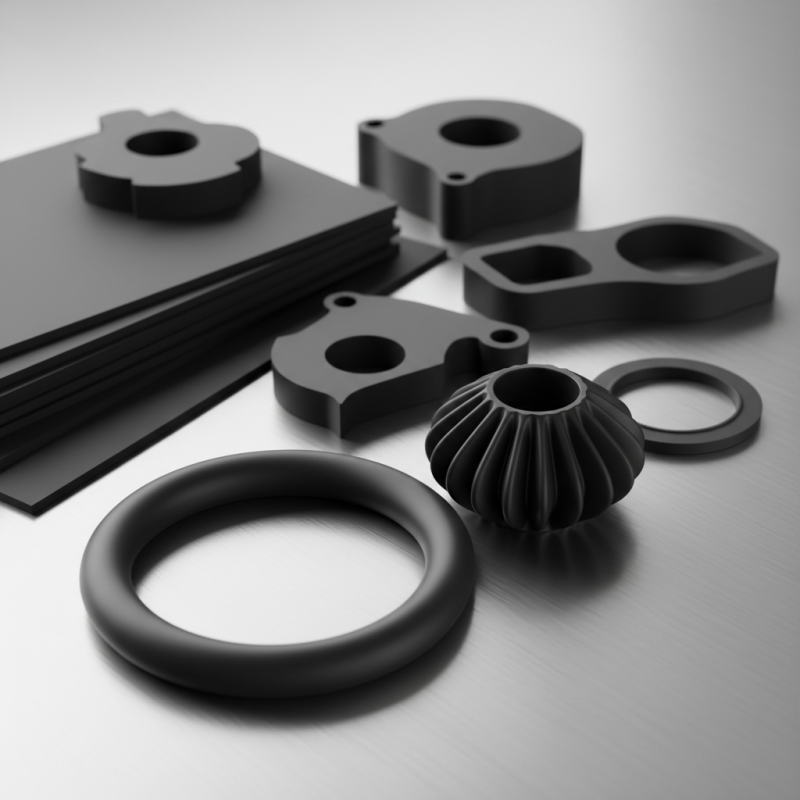
Rubber packing materials come in various forms, each designed for specific applications. Common types include elastomeric seals, gaskets, and O-rings. These materials are known for their flexibility and durability. They can withstand extreme temperatures and provide excellent resistance to chemicals. This makes them ideal for industries like automotive and manufacturing.
Elastomeric seals are often used in fluid systems. They create a tight barrier to prevent leaks. Gaskets are critical in engine assembly, ensuring components fit snugly. O-rings play a vital role in hydraulic systems. Their round shape allows for effective sealing under pressure. Each type serves a unique purpose, reflecting the versatility of rubber packing.
Despite their advantages, rubber packing materials aren't without challenges. They can degrade over time, especially when exposed to harsh environments. Regular inspections are necessary to ensure reliability. This is essential for maintaining operational efficiency. Consider the specific needs of your application when choosing rubber packing materials.
Advantages of Using Rubber Packing in Business Operations
Rubber packing plays a crucial role in various industries by providing essential solutions for sealing and insulation. According to industry reports, about
30% of manufacturing companies rely on rubber materials for their packaging needs. This significant figure
highlights the importance of rubber packing in improving efficiency and reducing waste.
Businesses that utilize rubber packing benefit from its durability and flexibility. These materials can withstand extreme temperatures and pressure,
making them suitable for diverse applications. A survey by the Rubber Manufacturers Association reveals that companies using rubber packing
save an average of 15% on operational costs. This cost-effectiveness enhances profitability and allows for reinvestment in other areas.
However, it's worth noting the challenges associated with rubber packing. Selecting the wrong type can lead to inefficiencies. For example, if the rubber is not suited
to specific environments, it may degrade faster than anticipated. Regular assessment of packing materials is essential
for maintaining effectiveness. Ignoring this can result in decreased performance and increased dependency on replacements.
Applications of Rubber Packing Across Different Industries
Rubber packing finds applications across various industries, serving essential functions in sealing, cushioning, and vibration dampening. In the automotive sector, rubber packing is used in gaskets and seals, ensuring the integrity of fluid systems. This prevents leaks and maintains optimal performance in vehicles.
In manufacturing, rubber packing is crucial for machinery operation. It reduces friction between moving parts, extending equipment lifespan. Engineers appreciate its durability and flexibility, which contribute to smoother operations. The food and beverage industry also benefits from rubber packing. It prevents contamination by creating airtight seals on containers.
Tip: When selecting rubber packing materials, consider the environmental conditions. Different applications demand distinct properties, such as temperature resistance and chemical compatibility.
In electronic devices, rubber packing protects sensitive components from moisture and dust. This is vital in ensuring longevity and reliability. However, improper installation can lead to failures. It's important to evaluate your packing methods regularly.
Tip: Always check for wear and tear on rubber packing over time. Regular maintenance can prevent costly downtimes and equipment failures.
How to Choose the Right Rubber Packing for Your Needs
Choosing the right rubber packing can significantly impact your business operations. Understanding your specific requirements is crucial. Different applications demand various types of rubber packing. The most common types include O-rings, seals, and gaskets. Each serves a unique purpose. Focus on factors like temperature, pressure, and chemical exposure when selecting.
Tips: Consider your environment. High temperatures may degrade certain rubbers. Also, think about the pressure levels your application will subject the packing to. Sometimes, a rubber type that seems ideal may fail in extreme conditions.
Another essential aspect is sizing. Rubber packing needs to fit properly to ensure effectiveness. Oversized or undersized packing can lead to leaks or inefficiencies. Measure accurately and consider tolerances in your measurements to avoid common sizing errors.
Tips: Don't rush the measuring process. Take the time to ensure all dimensions are precise. Reviewing your packing options periodically can also help prevent costly mistakes. It’s a good idea to consult with experts for specialized needs. Their insight can save you time and money.
What is Rubber Packing and How Does It Benefit Your Business? - How to Choose the Right Rubber Packing for Your Needs
| Feature |
Description |
Benefits |
Applications |
| Material Composition |
Usually made from various types of rubber such as neoprene, silicone, and EPDM. |
Durability and flexibility for long-term use. |
Sealing applications in automotive and industrial settings. |
| Temperature Resistance |
Can withstand a wide range of temperatures depending on the type of rubber. |
Prevents degradation and maintains performance across environments. |
Used in applications exposed to extreme heat or cold. |
| Chemical Resistance |
Certain rubbers are resistant to oils, chemicals, and solvents. |
Enhances life span by preventing breakdown from contaminants. |
Ideal for automotive, chemical processing, and manufacturing industries. |
| Customization Options |
Available in various shapes, sizes, and compounds to meet specific needs. |
Allows businesses to get tailored solutions for unique requirements. |
Custom seals, gaskets, and components for different applications. |
| Cost Effectiveness |
Generally lower manufacturing costs compared to other materials. |
Reduces overall production expenses while maintaining quality. |
Commonly used in mass production environments. |
FAQS
: Common types include elastomeric seals, gaskets, and O-rings. Each serves a specific purpose.
They create tight barriers in fluid systems, preventing leaks effectively.
Gaskets ensure engine components fit snugly, helping to maintain performance in assemblies.
O-rings are crucial in hydraulic systems. Their round shape provides effective sealing under pressure.
Industries like automotive and manufacturing rely on rubber for sealing and insulation needs.
Rubber packing is durable, flexible, and can withstand extreme conditions. It improves efficiency and reduces waste.
They can degrade over time in harsh environments. Regular inspections are vital for reliability.
Choosing the wrong type may lead to inefficiencies and faster degradation.
Companies save an average of 15% on operational costs. This enhances profitability and allows reinvestment.
Ignoring this can lead to decreased performance and a higher need for replacements, impacting operations.
Conclusion
Rubber packing is a versatile sealing solution widely used across various industries to ensure tight seals and prevent leaks. It comes in several types, such as solid rubber gaskets, O-rings, and foam rubber, each suited for specific applications. The advantages of using rubber packing in business operations include enhanced durability, resistance to environmental factors, and improved efficiency in maintaining product integrity.
Different industries, from automotive to food processing, utilize rubber packing for its reliability and adaptability. Selecting the right rubber packing for specific needs involves considering factors like temperature resistance, chemical compatibility, and application requirements. By understanding these elements, businesses can optimize their operations and minimize downtime, making rubber packing a valuable asset in commercial success.

 101 Rubber