Essential Tips for Choosing the Right Rubber Boots?

Time:2026-07-04 Author:Ethan
0%

When it comes to outdoor activities, choosing the right rubber boot can make a significant difference. Finding a pair that balances comfort, durability, and functionality is essential. Rubber boots are not just for rainy days; they are vital for hiking, fishing, and farm work. However, with so many options available, selecting the best pair might feel overwhelming.

Many people overlook crucial aspects when shopping for rubber boots. It’s easy to get caught up in the style or brand. Yet, fit and purpose are more important. A well-fitted rubber boot can enhance your experience outdoors while preventing discomfort. Consider the environment where you will wear them. Different conditions require specific features, such as insulation for chilly climates or tread patterns for slippery terrains.

Investing time in understanding your needs will yield greater satisfaction. By reflecting on what truly matters, you can navigate the choices effectively. Remember, the right rubber boot is not just about looking good. It's about keeping your feet protected and comfortable in any situation.
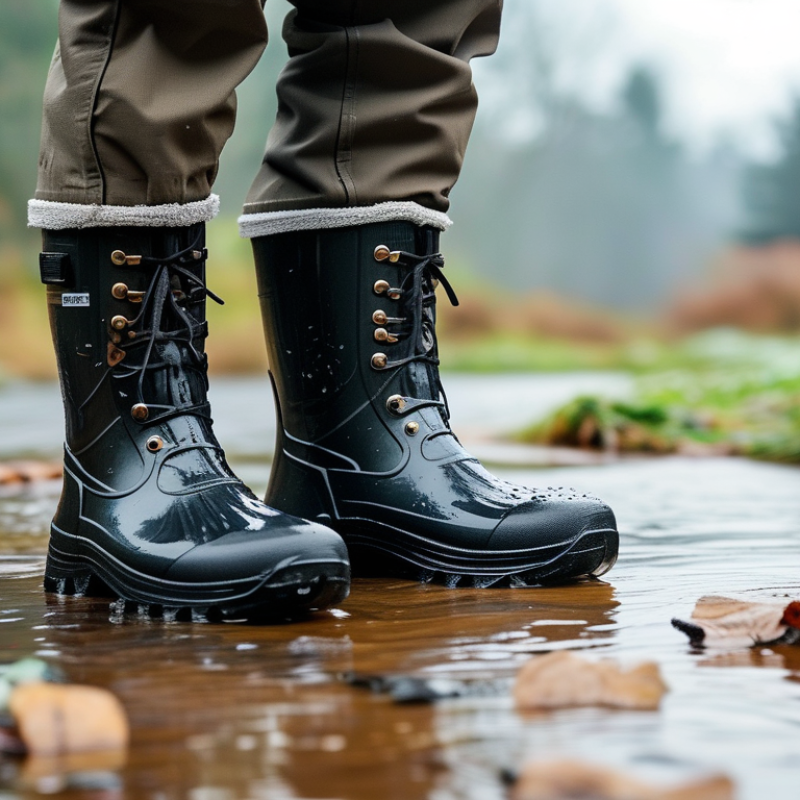
Essential Tips for Choosing the Right Rubber Boots?

Factors to Consider When Selecting Rubber Boots

Choosing the right rubber boots requires careful consideration. Think about the environment where you will wear them. Will you be in muddy fields or wet marinas? The terrain affects the type of traction you need. Deep treads work well in mud, while smoother soles are better for flat surfaces.

Next, consider the height of the boots. Shorter boots are easier to wear and remove, offering comfort during quick trips. Taller boots provide better protection against water and debris. Comfort is crucial. Make sure the fit is snug but not too tight. Poorly fitting boots can lead to blisters and discomfort.

Pay attention to the material. Not all rubber is equal. Some are more durable but heavier, while lightweight options may wear out faster. Don’t overlook insulation if you live in colder climates. This feature can be a game-changer for comfort. Think deeply about your needs and habits; your ideal rubber boots should enhance your daily activities, not hinder them.

Types of Rubber Boots for Different Activities

When it comes to choosing rubber boots, understanding the types suited for various activities is essential. For gardening, select knee-high boots with good traction. They should protect against mud and water. Look for flexible materials that allow easy movement. If you're hiking, opt for lightweight options that offer solid ankle support.

In colder climates, insulated rubber boots are crucial. They keep your feet warm and dry, which is vital for outdoor work. Ensure they have a lining for comfort. For fishing or camping, waterproof boots are a must. They should be easy to clean and have a slip-resistant sole for safety.

Tips: Consider the fit. A snug boot prevents blisters but allows wiggle room for toes. Breathability matters too, especially in warmer weather. Some boots trap moisture, leading to discomfort. Keep your activities in mind when shopping. Research various styles and their specific features. This will help you make an informed decision.

Sizing and Fit: Ensuring Comfort and Functionality

When choosing rubber boots, sizing and fit play a crucial role in ensuring both comfort and functionality. A report from the American Orthopaedic Foot & Ankle Society indicates that poorly fitting footwear can lead to various foot ailments. Rubber boots should provide snugness around the heel while allowing room for toes. Ideally, there should be about a half-inch of space at the toe box. This allows for natural movement while preventing discomfort or blisters.

Tips for measuring feet accurately include standing while measuring. This helps capture any potential swelling. Use a measuring tape to assess not only length but also width. The right boots fit like a glove without pinching. Consider that temperatures can impact how feet swell. Cold weather may shrink feet slightly, while heat can enlarge them.

It’s essential to remember that thickness of socks worn impacts the fit. Some users underestimate sock thickness, resulting in boots that feel tight. Experimenting with different socks can help find the perfect combination. Boot materials can also differ in elasticity. Therefore, conducting a wear test can reveal any discomfort that may arise after prolonged use.

Material Durability and Weather Resistance

Choosing the right rubber boots involves careful consideration of material durability and weather resistance. Rubber boots are designed to withstand various environmental conditions. The best options typically use natural rubber, offering superior flexibility and longevity. According to industry reports, boots made from high-quality rubber can last up to five years longer than those made with synthetic materials.

When selecting rubber boots, pay attention to the tread design. Deeper treads provide better traction on slippery surfaces, which is crucial in wet or muddy conditions. Furthermore, consider the thickness of the rubber. Thicker rubber generally enhances durability and puncture resistance. However, this can sometimes lead to discomfort during extended wear.

Keep in mind that not all rubber weatherproof boots are created equal. Some may fail to perform well in extreme temperatures. A study found that boots exposed to sub-zero temperatures could become stiff, compromising their waterproof features. Therefore, look for boots with an insulated layer if you live in cold climates.

In summary, prioritize material quality and tread design. These factors are key to ensuring your rubber boots endure the test of time and weather. Be mindful of where and how often you'll wear them, as this will directly impact their lifespan. Investing in durable boots can save money in the long run.

Additional Features for Enhanced Performance and Safety

When choosing rubber boots, additional features can significantly enhance performance and safety. Look for boots with slip-resistant soles. These soles provide better traction, especially in wet or muddy conditions. A well-designed tread pattern can help prevent falls. This is crucial for those working in slippery environments or outdoor activities.

Consider insulation features as well. Insulated boots can keep feet warm in cold temperatures. This is essential for people who work or spend time outdoors during winter. An insulated lining can make a big difference in comfort. But keep in mind: too much insulation can lead to overheating on warmer days.

Pay attention to durability. High-quality rubber should withstand tears and punctures. Some boots come with reinforced toes and heels. These extra features can protect your feet from falling objects. Always check for ventilation to prevent moisture buildup inside the boot. Moisture can cause discomfort and odor. These features may cost more, but investing wisely will lead to longer-lasting performance.

FAQS

: What type of rubber boots are best for gardening?

: Knee-high boots with good traction are ideal. They protect against mud and water for better movement.

Why are insulated rubber boots important?

Insulated boots keep feet warm and dry in cold climates. They ensure comfort during outdoor work.

How should rubber boots fit?

Boots should fit snugly around the heel and allow room for toes. Aim for a half-inch space at the toe box.

What measuring tips can improve boot selection?

Measure feet while standing to account for swelling. Check both length and width for the best fit.

Why does sock thickness matter when choosing boots?

Thicker socks can make boots feel tight. Experiment with different sock thicknesses for a comfortable fit.

What features enhance safety in rubber boots?

Slip-resistant soles provide better traction. A good tread pattern helps prevent falls in slippery conditions.

How does insulation affect comfort?

Insulation helps keep feet warm but can cause overheating in warmer weather. Balance is essential.

Why is durability crucial in rubber boots?

High-quality rubber resists tears and punctures. Reinforced toes and heels protect against falling objects.

What is the impact of ventilation in rubber boots?

Ventilation prevents moisture buildup inside boots. Moisture can lead to discomfort and odor over time.

Can rubber boot features add to the cost?

Yes, enhanced features may raise costs. Investing wisely can improve performance and longevity of the boots.

Conclusion

When selecting the right rubber boots, several key factors must be taken into account to ensure optimal comfort and functionality. Important considerations include the type of activities you will engage in, as there are various designs suited for hiking, farming, or casual wear. Sizing and fit play a crucial role in delivering comfort, so it's essential to try on boots and assess their snugness and support.

Material durability and weather resistance are also vital, as high-quality rubber boots should withstand different environments and conditions. Additional features, such as slip-resistant soles, insulation, and waterproofing capabilities, can enhance overall performance and safety during use. By carefully evaluating these elements, you can select the perfect rubber boot for your needs.


Ethan

Ethan

Ethan is a seasoned marketing professional with a deep expertise in our company's innovative product line. With a passion for sharing knowledge and insights, he takes the lead in regularly updating our corporate blog, where he explores industry trends, product features, and effective marketing......