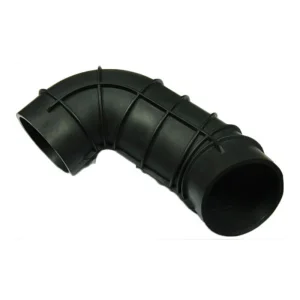
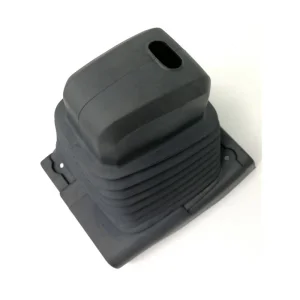
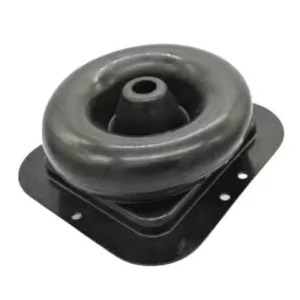
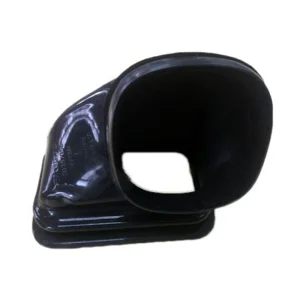
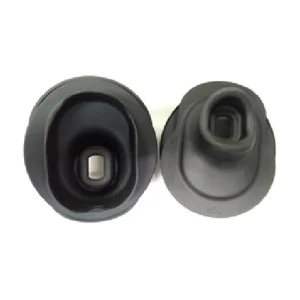
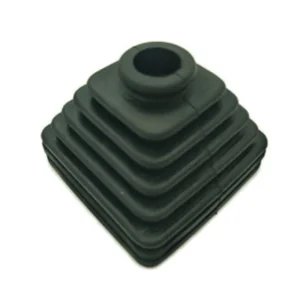
Explore our high-performance rubber and silicone engineered components designed for extreme environments.
In modern automotive design, the vehicle door sealing system is far more than a simple rubber strip; it is a critical component of NVH (Noise, Vibration, and Harshness) mitigation, thermodynamic isolation, and structural moisture protection. High-quality automotive door seals prevent rain, dust, and wind from invading the passenger cabin while maintaining interior acoustic integrity under extreme driving velocities. The transition toward electric vehicles (EVs) has amplified these requirements, as the absence of internal combustion engines makes wind and road noise significantly more noticeable to passengers.
“An optimized automotive weatherstripping system can decrease cabin decibel levels by up to 5-8 dB, directly impacting consumer perception of cabin luxury and vehicle build quality.”
For procurement directors and design engineers sourcing from automotive factories, selecting the right manufacturing partner requires evaluating their compounding capability, tooling precision, and adherence to structural automotive compliance standards. Automotive seals are subject to severe weathering, ozone degradation, and mechanical wear over decades. Thus, a reliable manufacturer must integrate advanced polymer chemistry with automated extrusion and molding processes to ensure uniformity in cross-sectional geometries and load deflection properties.
Precision Silicone Components Manufacturer | Since 2007
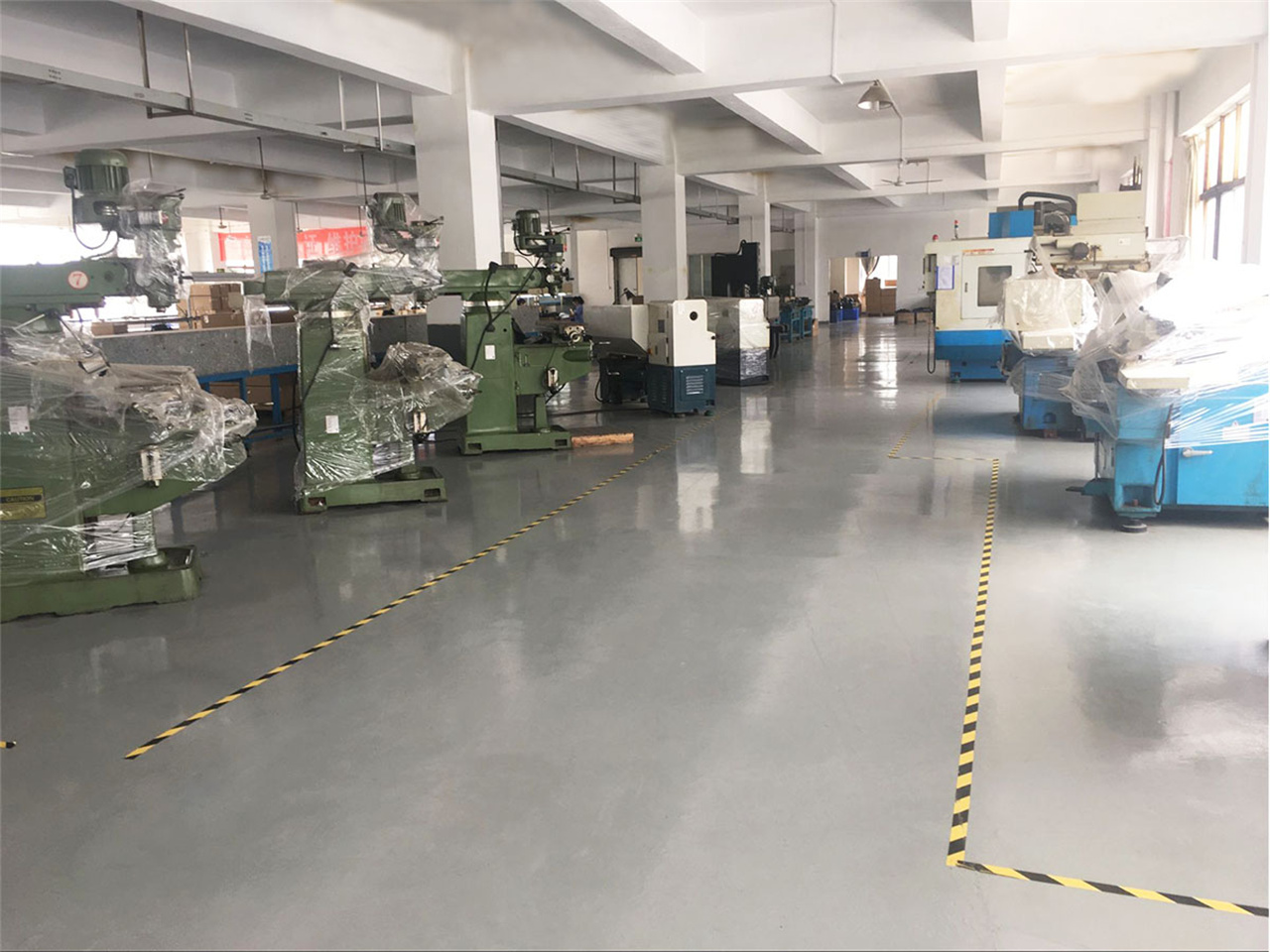
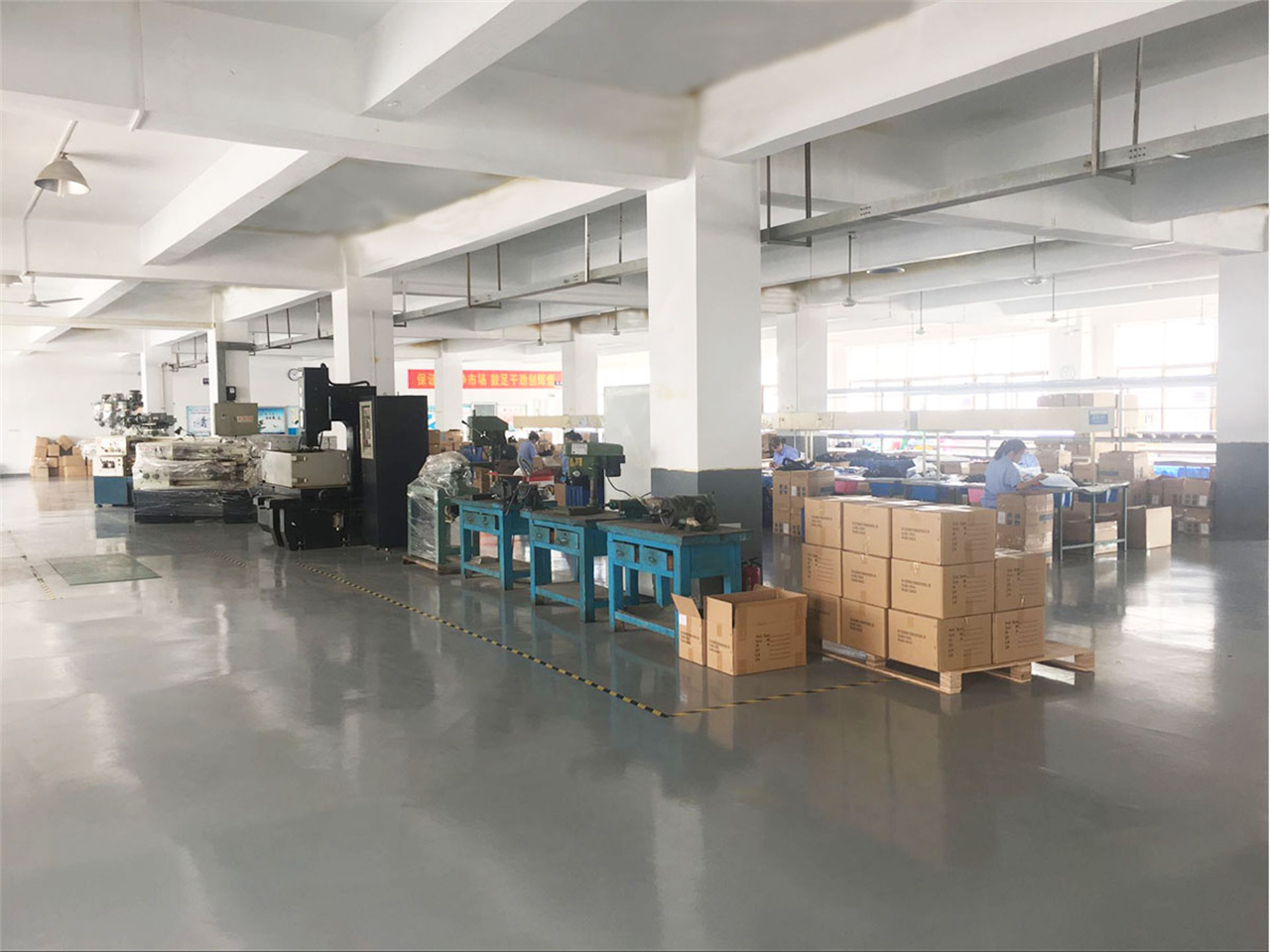
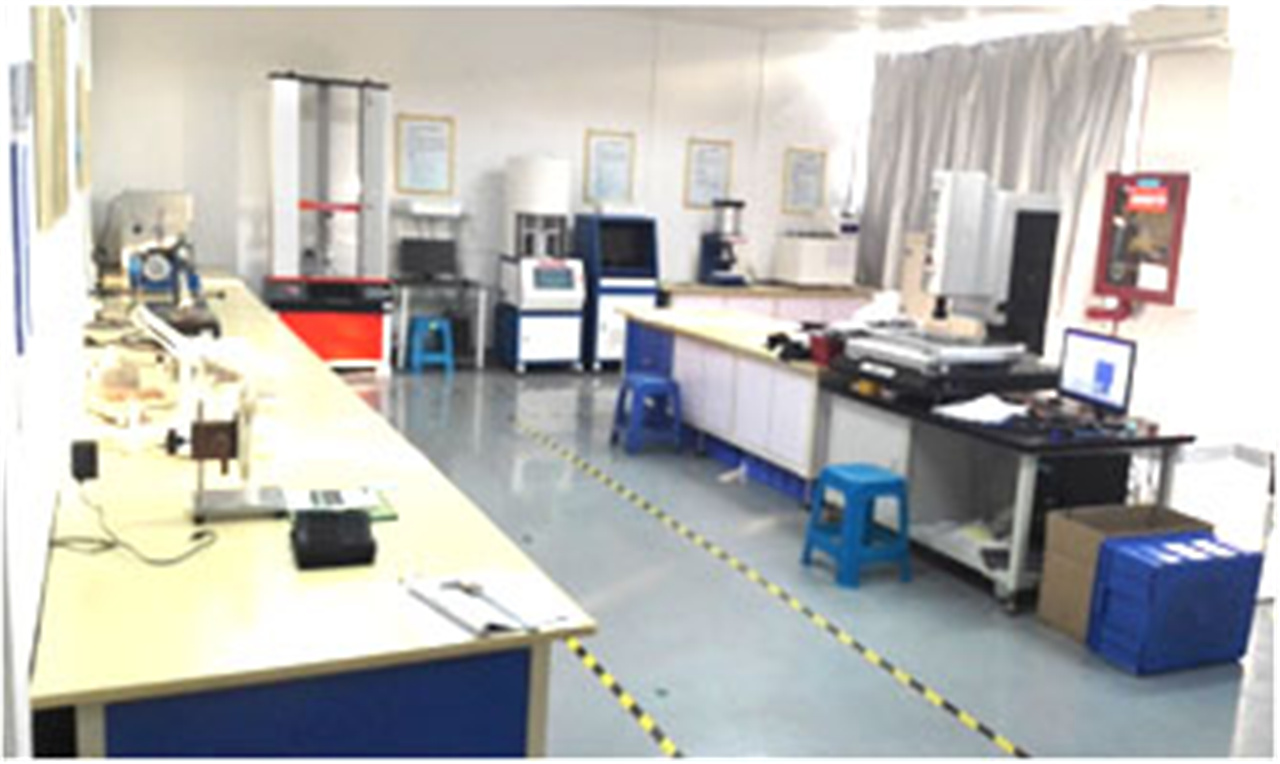
With 17 years of dedicated expertise, Shenzhen 101 Electronic Technology Co., Ltd. is a leading manufacturer of precision silicone components, serving as a trusted partner for industries that demand high-performance sealing and structural solutions. Established in 2007 and certified to both ISO 9001 and IATF 16949 standards, our company operates from an 8,000㎡ state-of-the-art facility equipped with advanced production lines, cleanrooms, and stringent quality inspection stations—all designed to ensure consistent quality across every silicone component we produce.
We specialize in integrating innovations in material science with precision molding technologies to deliver critical silicone rubber parts that enhance the reliability of products across the automotive, consumer electronics, medical devices, and industrial equipment sectors.
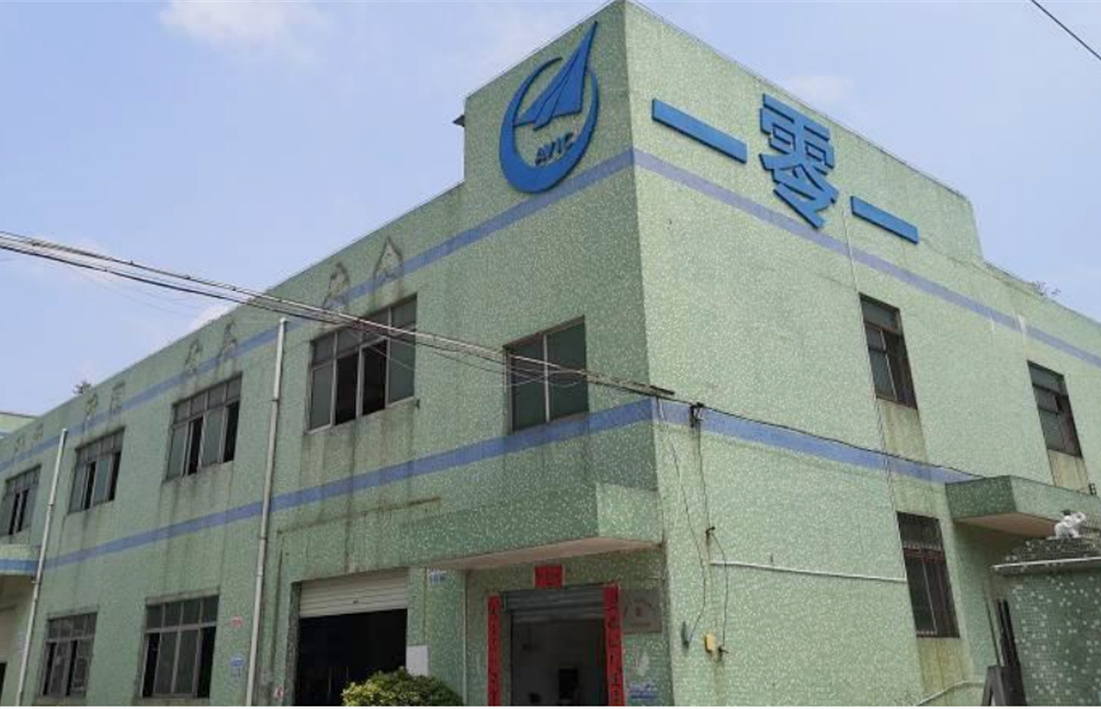
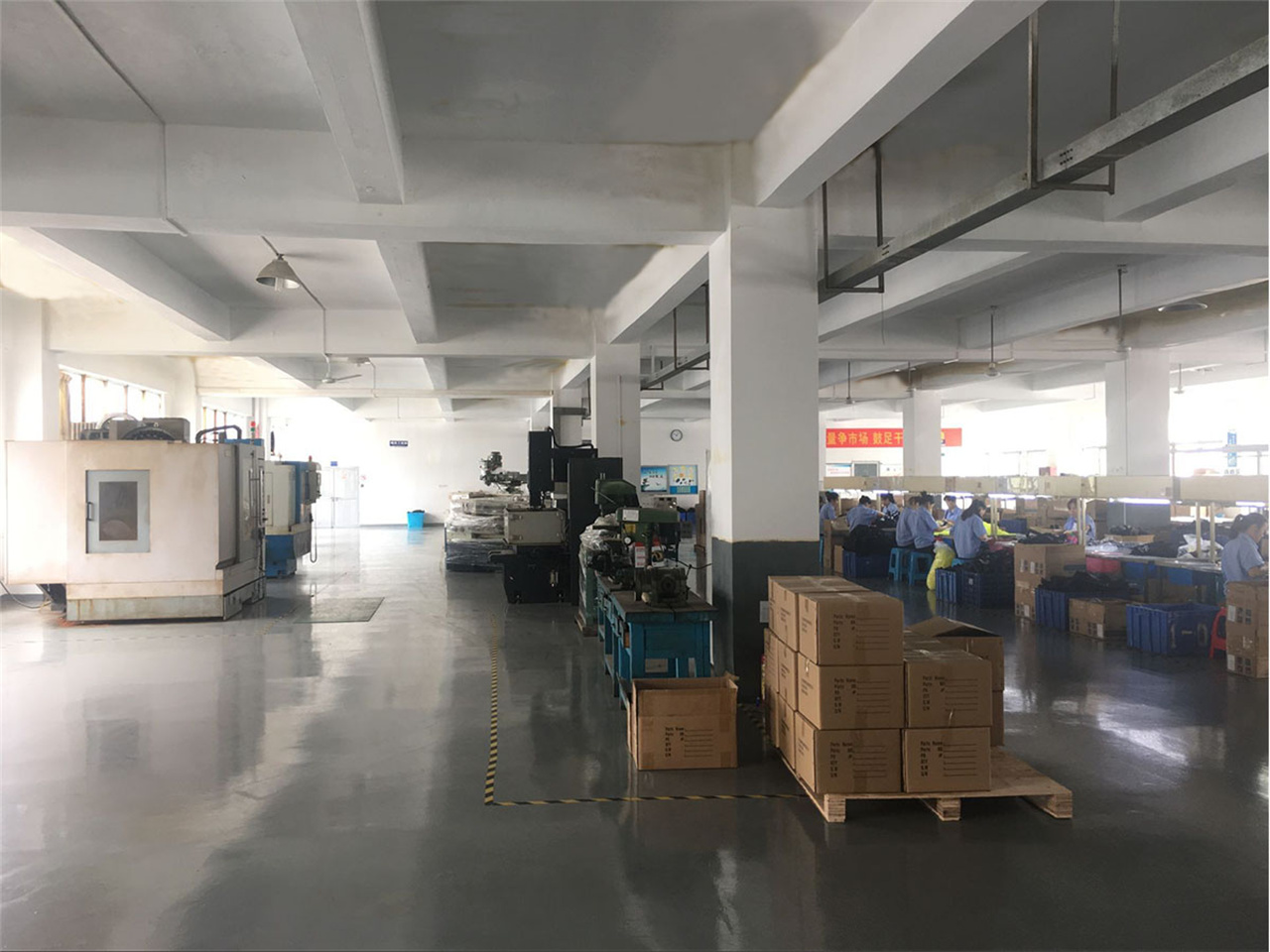
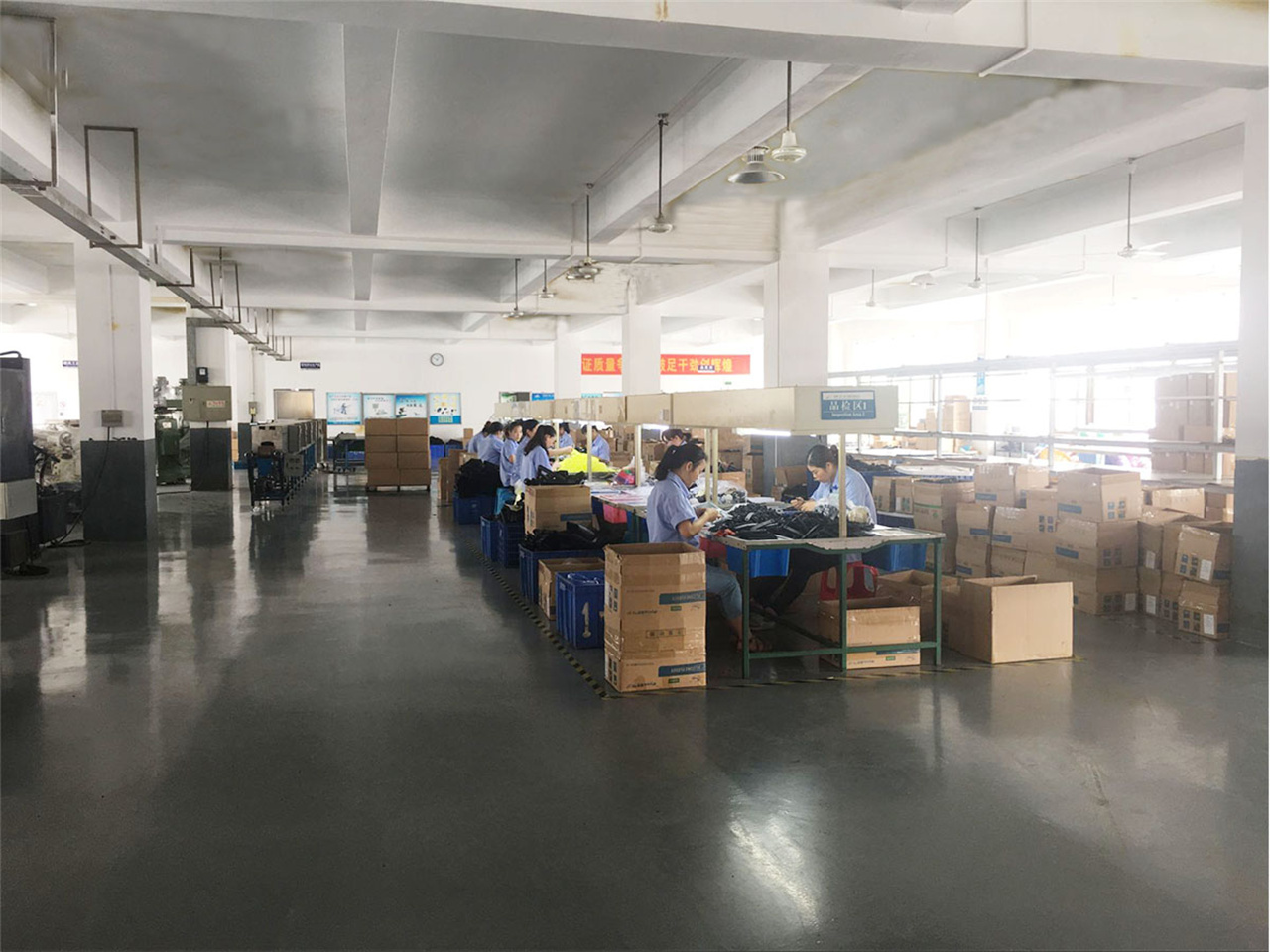
Engineered infrastructure and automated machinery for complex polymer and elastomer components.
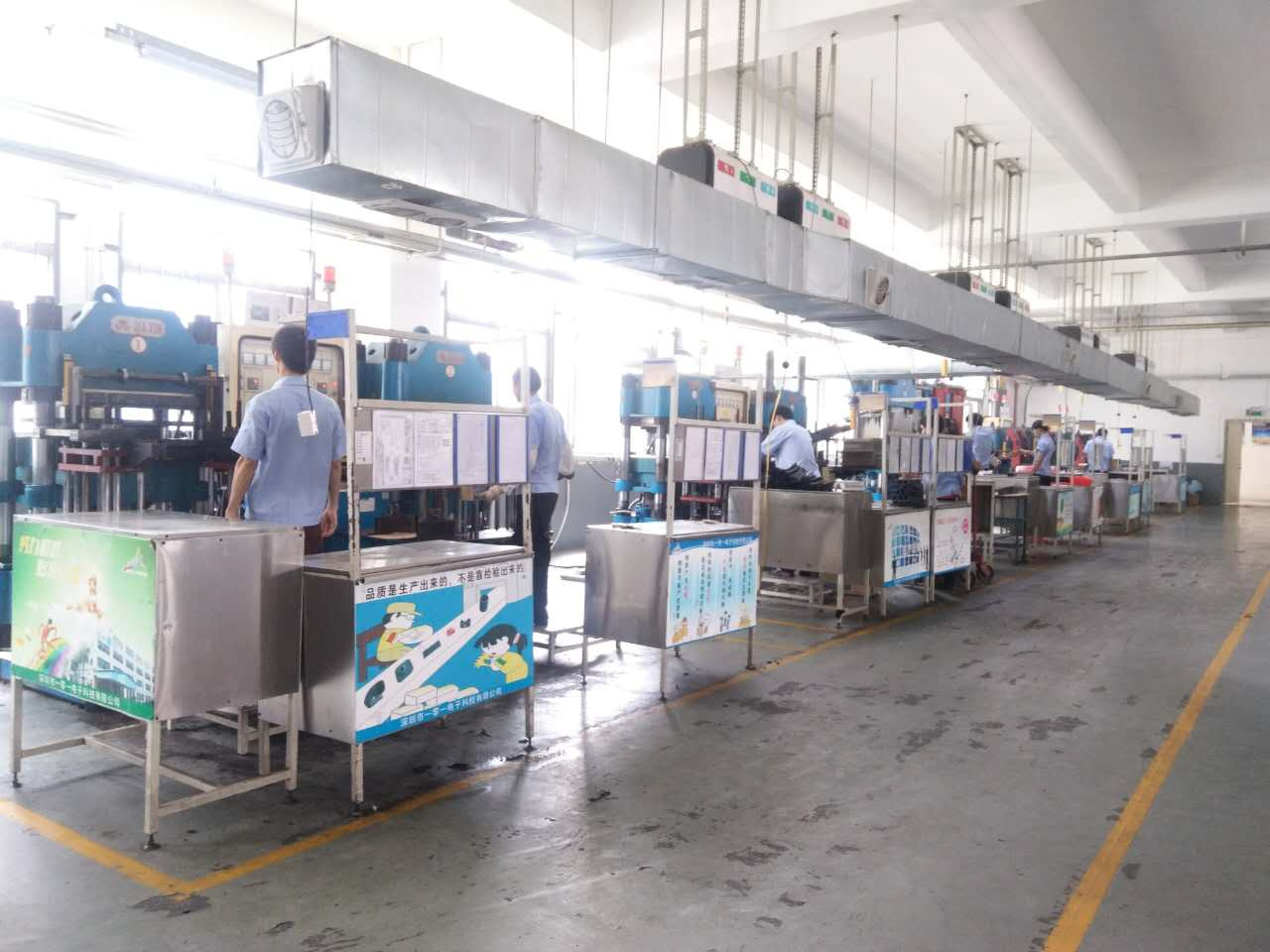
We operate a comprehensive range of compression presses (250T to 600T) for large-format silicone and rubber parts, alongside injection molding systems (350T to 550T) capable of processing Liquid Silicone Rubber (LSR) and High-Temperature Vulcanized (HTV) silicone. This mechanical capability ensures flawless material packing and minimizes cross-sectional defects.
Every vulcanization line is equipped with automated demolding mechanisms that eliminate surface stress marks and mechanical tearing during extraction. This allows us to hold dimensional tolerances within critical bands of ±0.15mm, essential for airtight sealing across variable automotive tolerances.
We leverage over 40 proprietary formulations, including carbon-filled conductive silicone (10³–10⁸ Ω·cm), UL94 V-0 rated flame retardant compounds, and FDA-grade pure polymers. Our materials maintain physical elasticity and structural rebound capacity across a broad thermal range of -60°C to 300°C.
Our workshop utilizes computer-controlled mixing and dosing systems to prevent batch-to-batch polymer drift. We combine horizontal and vertical molding systems to support both dense profile extrusions and complex over-molded corner joints.
The global automotive door rubber seal market is expanding in response to demands for passenger comfort, emission controls, and vehicle electrification. Industry reports highlight that the market is transitioning from simple, single-density rubber channels to multi-component co-extruded profiles. Modern automotive sealing profiles typically combine a rigid insert carrier (usually steel wire or stamped steel carrier) with dense rubber for structural mounting, and dynamic sponge rubber for compression and sealing.
Furthermore, global regulatory standards like REACH, RoHS, and ELV mandate that manufacturers eliminate carcinogenic plasticizers and heavy metals from their rubber recipes. Leading Tier-1 automotive brands now seek suppliers that run in-house compounding facilities capable of developing halogen-free, low-emission formulations. This ensures that interior vehicle seals do not contribute to fogging on vehicle windows or emit toxic volatile organic compounds (VOCs) within the cabin.
Selecting the optimal elastomer for vehicle sealing involves balancing cost, environmental resilience, dynamic performance, and target life expectancy. Below is an engineering comparison matrix of primary materials utilized in automotive weatherstripping:
| Performance Metric | EPDM (Ethylene Propylene Diene) | Silicone Rubber (VMQ / LSR) | Thermoplastic Vulcanizates (TPV) |
|---|---|---|---|
| Operating Temperature Range | -45°C to +125°C | -60°C to +250°C (Specialty up to 300°C) | -40°C to +135°C |
| Compression Set Resistance | Excellent (30-40% deflection recovery) | Outstanding (low deformation over 10+ years) | Moderate to Good |
| Ozone & UV Resistance | Excellent | Superior (nearly impervious to atmospheric aging) | Excellent |
| Acoustic Isolation (NVH) | Excellent (highly customizable density) | Good (excellent soft compression) | Moderate |
| Recyclability | Non-recyclable (cross-linked thermoset) | Difficult to recycle | 100% Recyclable (thermoplastic) |
China's automotive rubber molding and extrusion sector provides significant production advantages by coupling complete supply chains with advanced process control. This supply chain integration minimizes logistics lead times for critical tooling components, compound raw ingredients, and mechanical spares.
Key industrial advantages of sourcing from Chinese facilities like Shenzhen 101 Electronic Technology Co., Ltd. include:
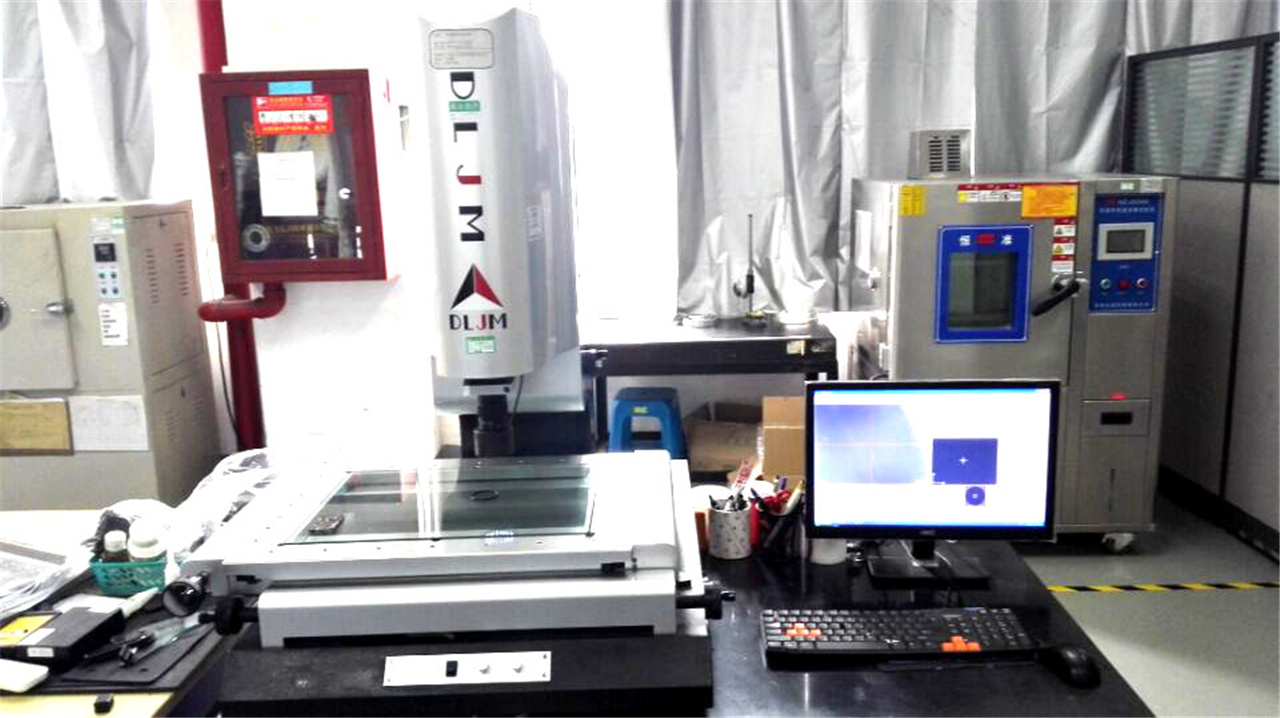
In addition to maintaining certifications including IATF 16949 for automotive process control, ISO 9001 for quality management, and RoHS/REACH compliance for environmental safety, we emphasize collaborative partnerships. Our engineering team works closely with clients to develop custom silicone solutions—from material selection and prototype validation to mass production—ensuring that every component meets precise design requirements and complies with industry regulations. This ongoing dedication to quality and customization has enabled long-term collaborations with leading global brands, reinforcing our reputation as a trusted silicone manufacturer in the international supply chain.
Automotive rubber seals serve distinct functions across the vehicle chassis. A typical passenger vehicle utilizes several weatherstripping profiles, including:
Focus on Electric Vehicles (EVs): Electric vehicle cabins lack masking engine noise, exposing high-frequency wind hums. EV sealing systems require dynamic seal profiles designed with low closure force to support lightweight door structures, alongside enhanced cross-sectional area volumes to maximize sound isolation.
The automotive sealing industry is adopting technologies that improve both vehicle efficiency and component lifespan. Key developments include:
Answers to common engineering and procurement questions regarding automotive sealing systems.
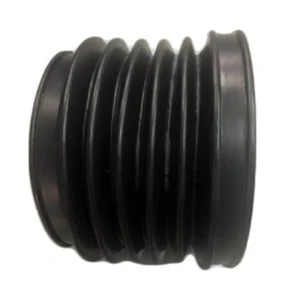
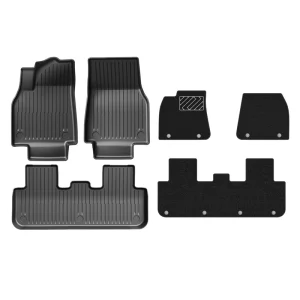
Explore our complete range of high-precision bellows, ducts, liners, and custom rubber components.
 101 Rubber