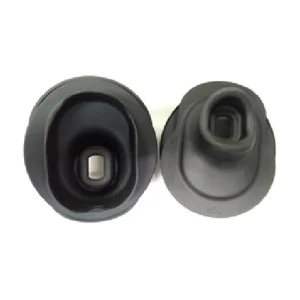
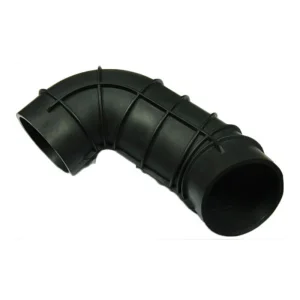
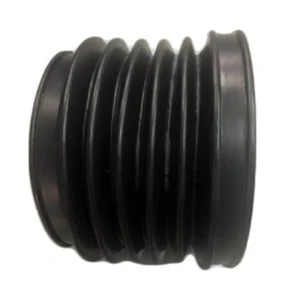
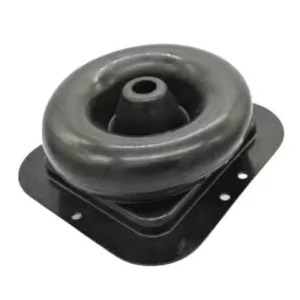
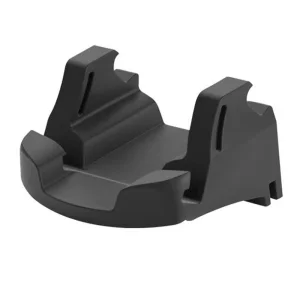
Engineered to OEM tolerances. Discover our high-performance custom industrial seals and protective automotive boots designed for harsh environment endurance.
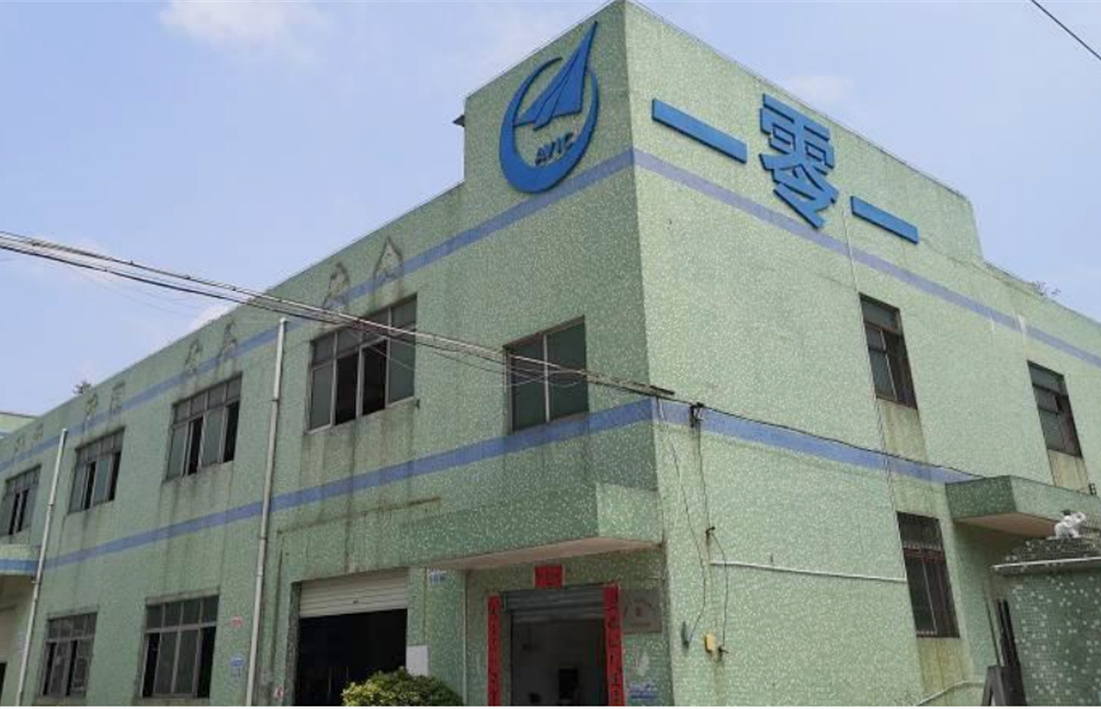
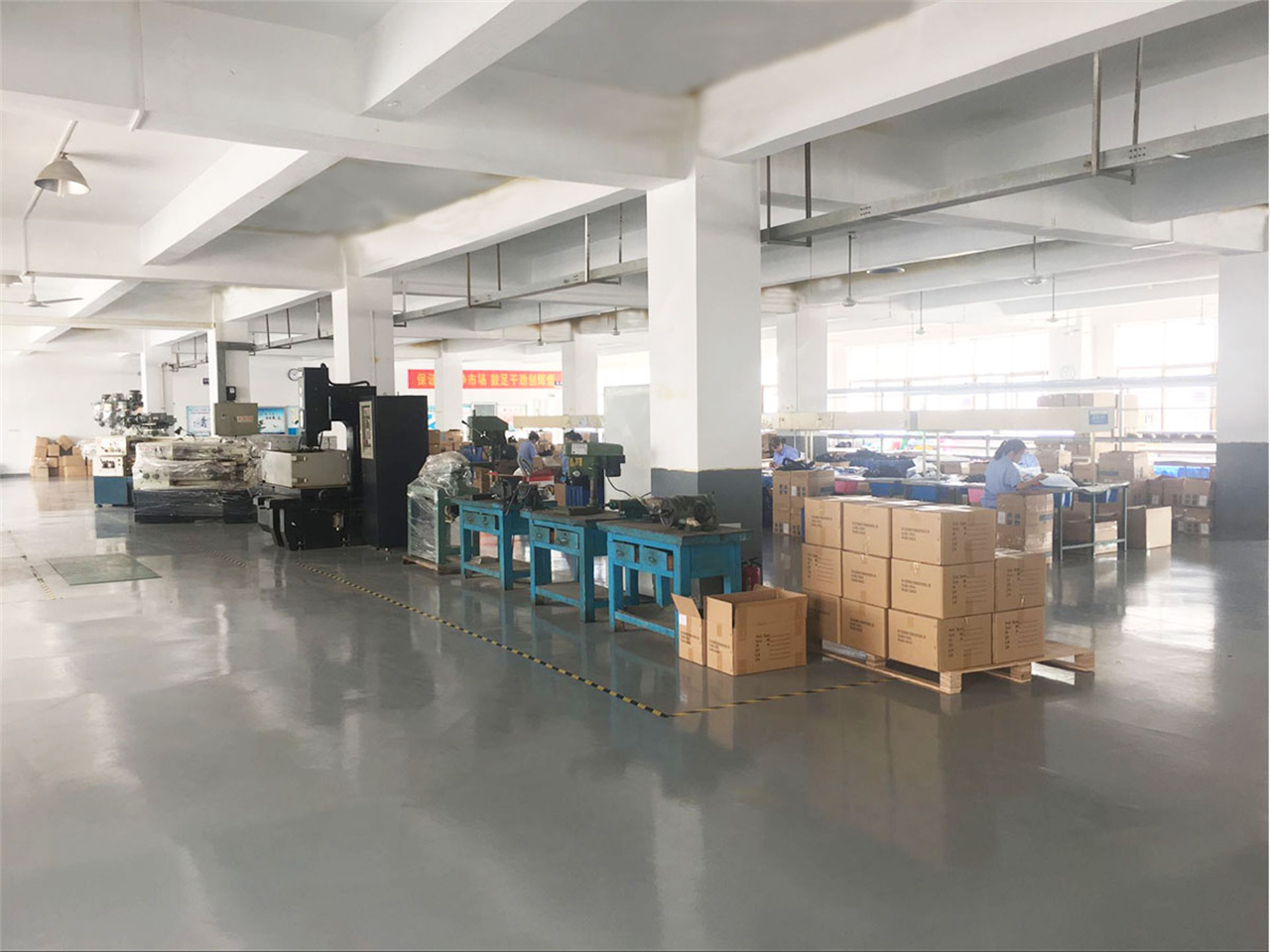
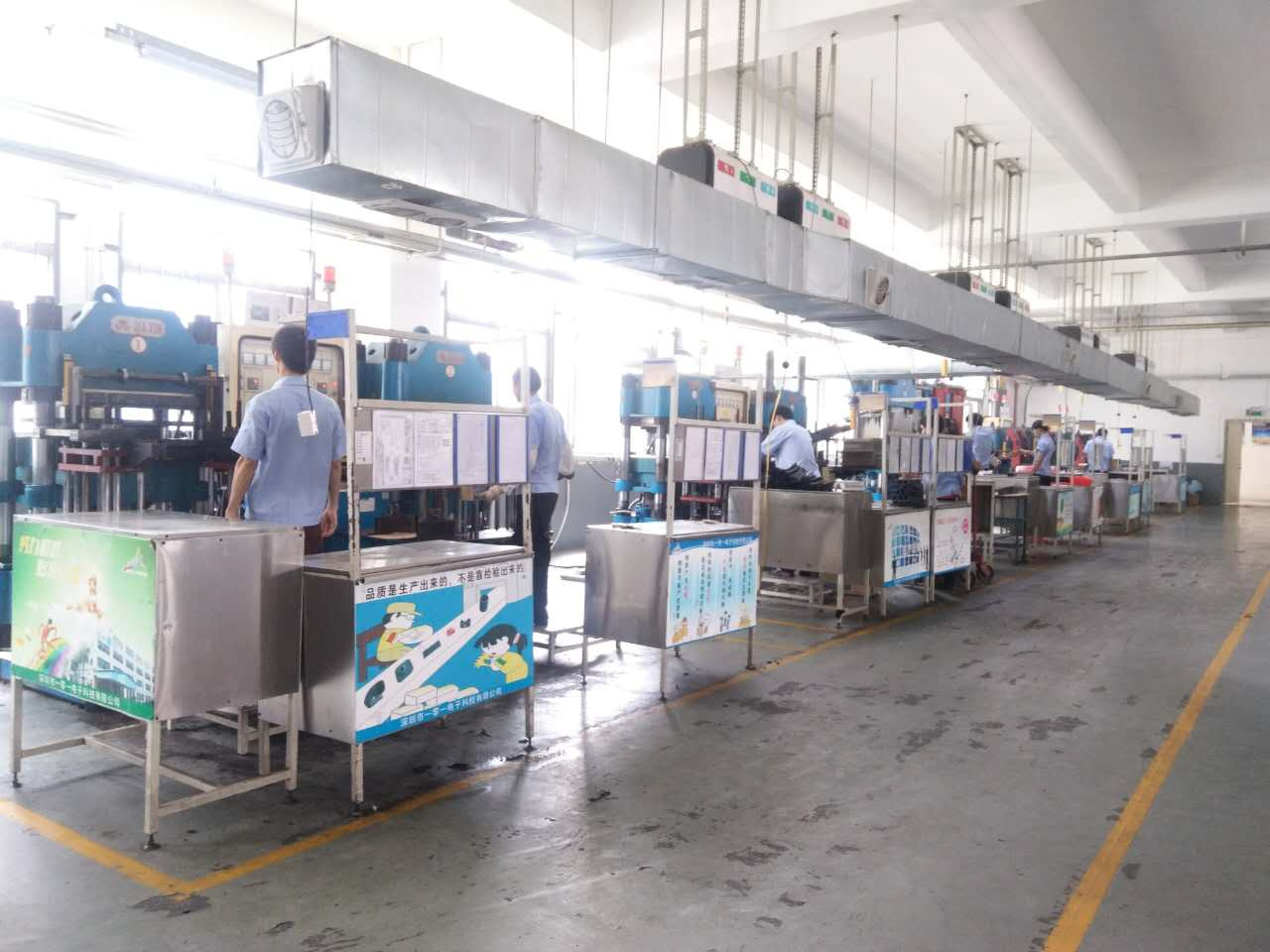
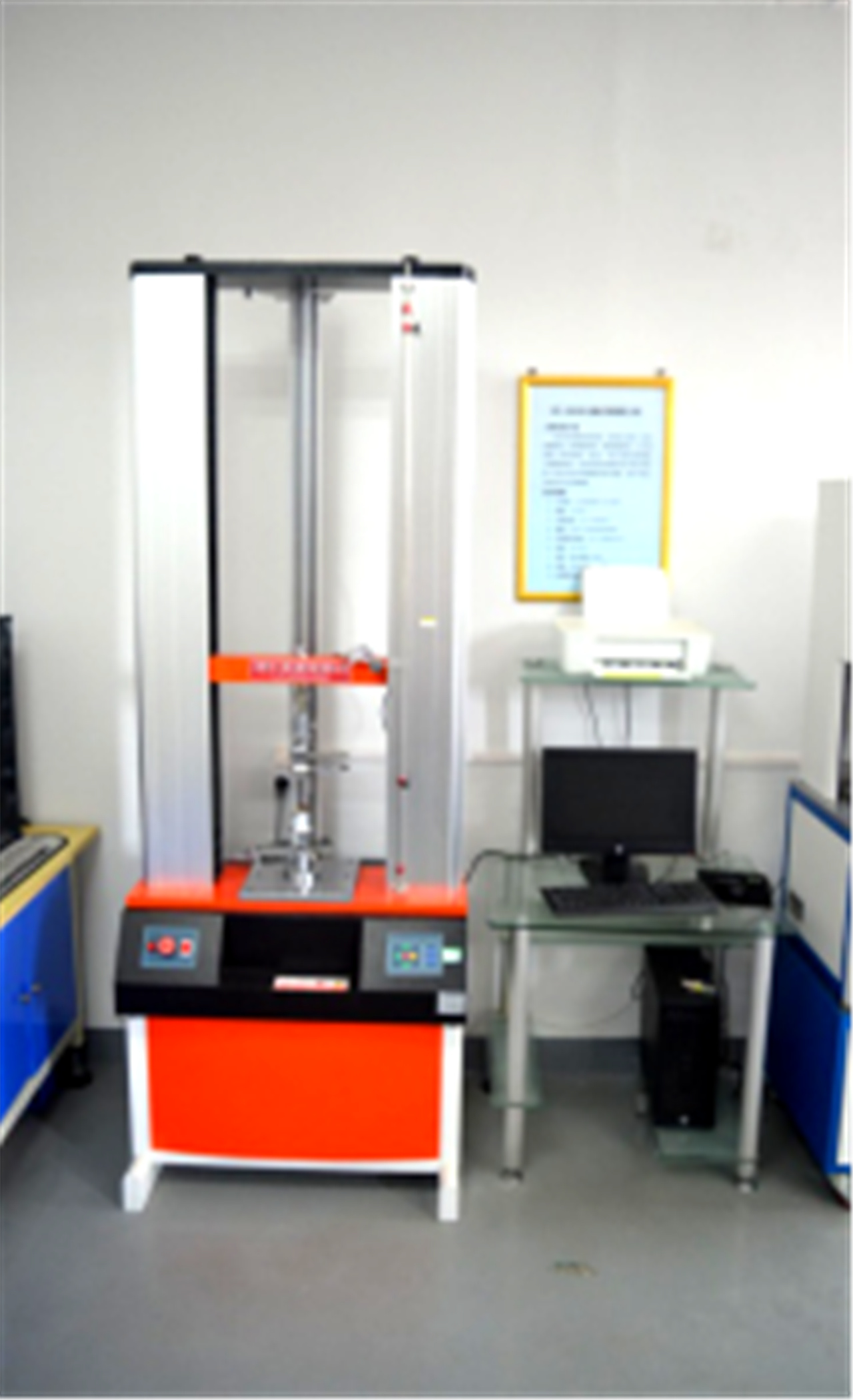
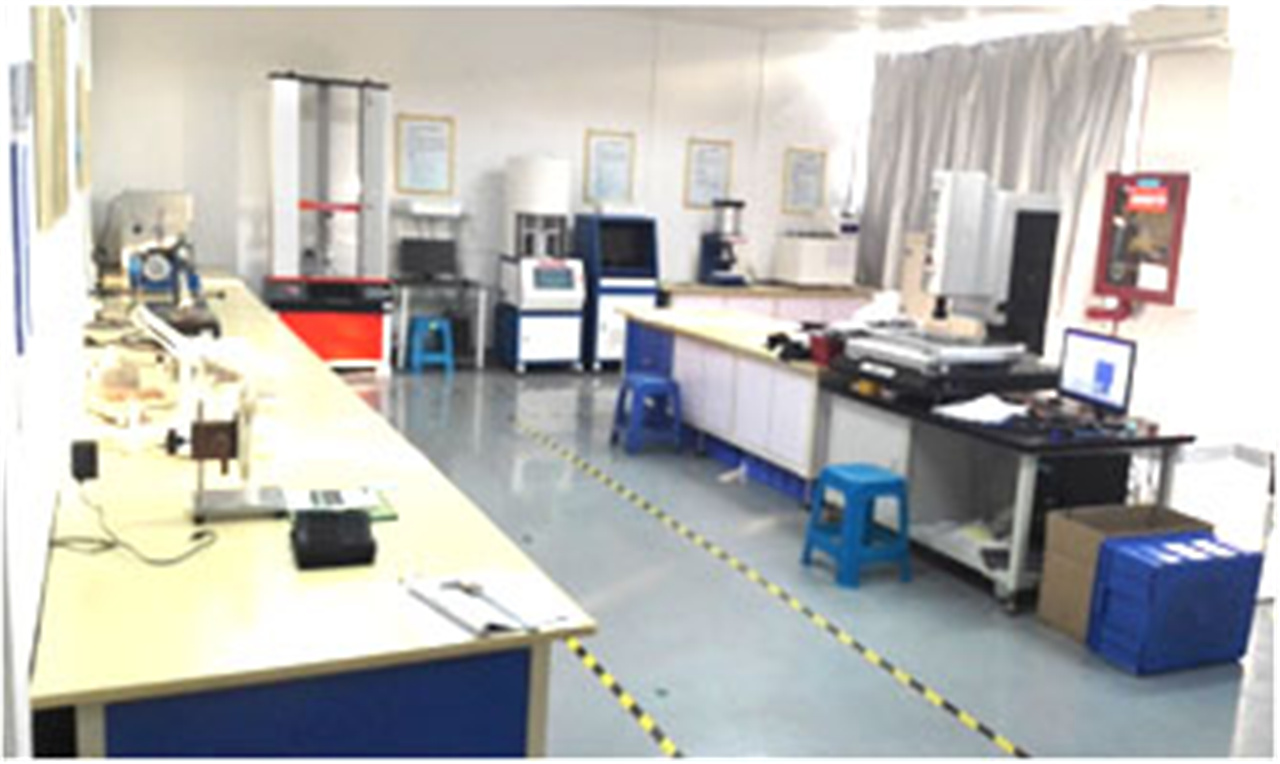
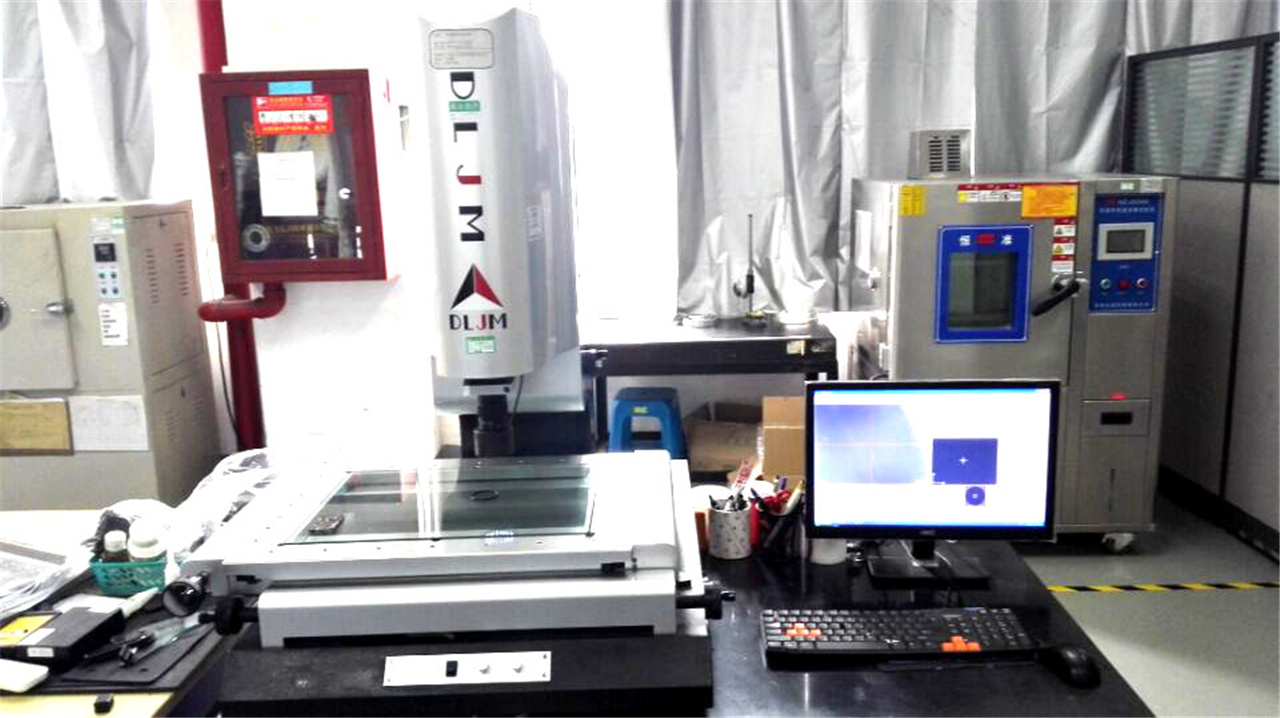
With 17 years of dedicated expertise, Shenzhen 101 Electronic Technology Co., Ltd. is a leading manufacturer of precision silicone components, serving as a trusted partner for industries that demand high-performance sealing and structural solutions. Established in 2007 and certified to both ISO 9001 and IATF 16949 standards, our company operates from an 8,000㎡ state-of-the-art facility equipped with advanced production lines, cleanrooms, and stringent quality inspection stations—all designed to ensure consistent quality across every silicone component we produce.
We specialize in integrating innovations in material science with precision molding technologies to deliver critical silicone rubber parts that enhance the reliability of products across the automotive, consumer electronics, medical devices, and industrial equipment sectors.
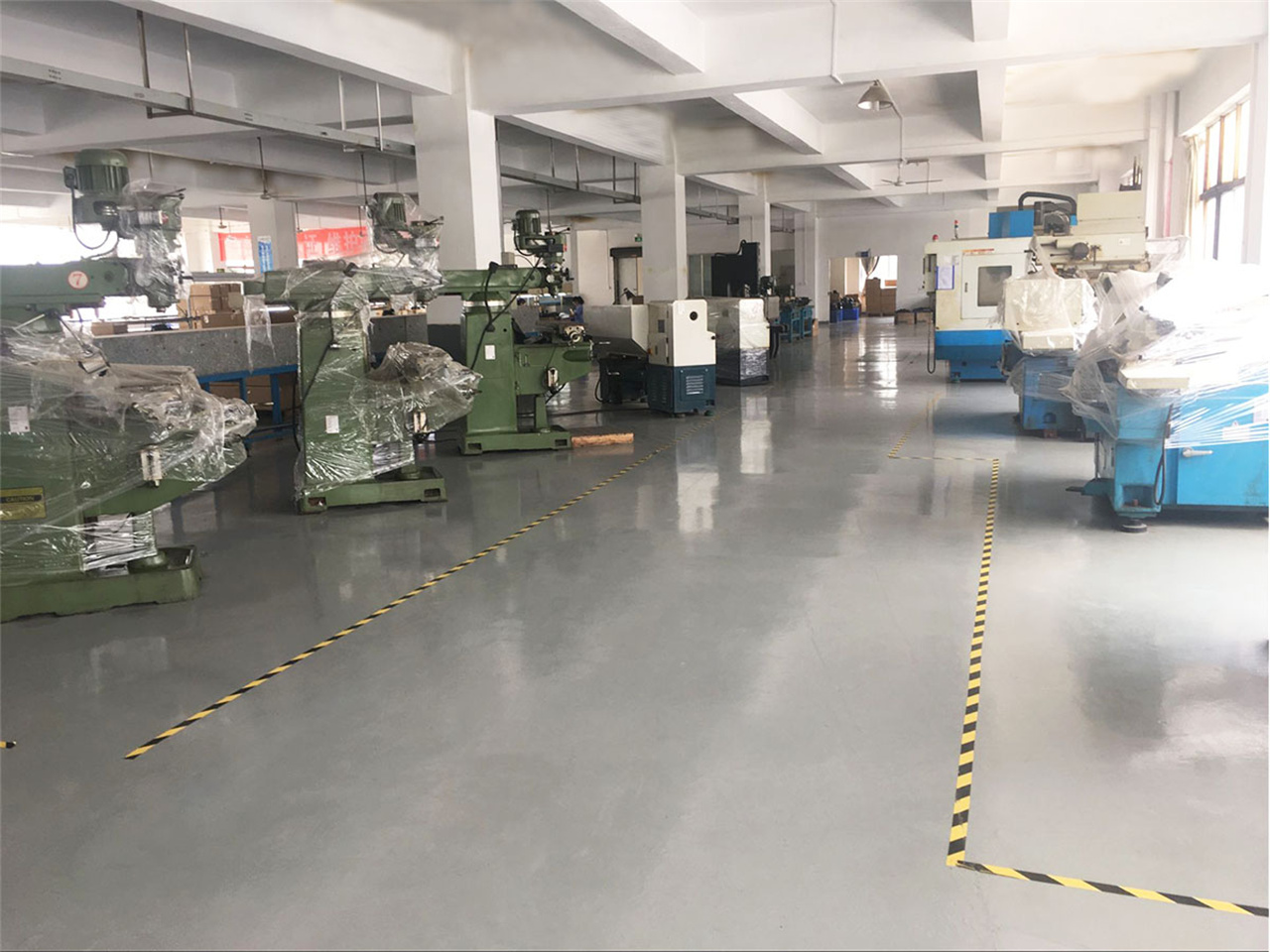
Our high-tonnage compression systems and automated injection processes enable sub-millimeter tolerances on all custom formulations.
We operate a comprehensive range of compression presses (250T to 600T) for large-format silicone parts, as well as injection molding machines (350T to 550T) capable of processing both Liquid Silicone Rubber (LSR) and High-Temperature Vulcanized (HTV) silicone. Each machine is integrated with automated demolding systems to maintain dimensional stability within ±0.15mm.
With over 40 proprietary silicone and elastomeric formulations, we meet diverse functional requirements: conductive properties (10³–10⁸ Ω·cm) for EMI shielding, food-grade certifications (FDA/LFGB) for medical use, and flame retardancy (UL94 V-0). Our materials perform reliably across extreme thermal cycles from -60°C to 300°C.
To eliminate surface dust and static charge, our products undergo automated post-curing and surface conditioning. This ensures low-friction coefficients and improved wear resistance, extending the service life of automotive sealing components exposed to high ozone and UV radiation environments.
In modern automotive engineering, auto door seals represent far more than a physical barrier against weather elements. They are complex mechanical subsystems engineered to manage acoustic performance, minimize NVH (Noise, Vibration, and Harshness), seal against atmospheric contamination, and preserve cabin structural pressure. Operating at the boundary interface of moving panels, these seals must withstand millions of compression cycles while maintaining their elastic recovery memory. As a premier automotive rubber manufacturer, Shenzhen 101 Electronic Technology designs and fabricates cross-linked elastomer solutions that bridge the gap between design aspiration and manufacturing feasibility.
The transition from Internal Combustion Engine (ICE) drivetrains to battery electric vehicles (BEVs) has fundamentally shifted the requirements of auto door seals. In the absence of masking engine noise, high-frequency wind noise and tire-to-road structural vibrations become highly pronounced within the passenger cabin. Advanced EV sealing profiles now integrate multi-durometer structures—using dense rubber carrier cores for structural attachment, combined with micro-cellular sponge sealing lips to damp ambient sound wave transmissions. Our proprietary formulations demonstrate high acoustic isolation metrics across wide temperature bands.
Selecting the correct base polymer is critical for structural longevity. High-Temperature Vulcanized (HTV) silicone is preferred for components requiring high thermal stability and low compression set characteristics. Standard automotive weatherstrips utilize ethylene propylene diene monomer (EPDM) due to its superior ozone resistance, UV stability, and resistance to polar solvents. We employ molecular cross-linking control during our vulcanization processes, guaranteeing that the tensile strength, elongation at break, and shore hardness profile of our parts remain constant over the lifecycle of the vehicle.
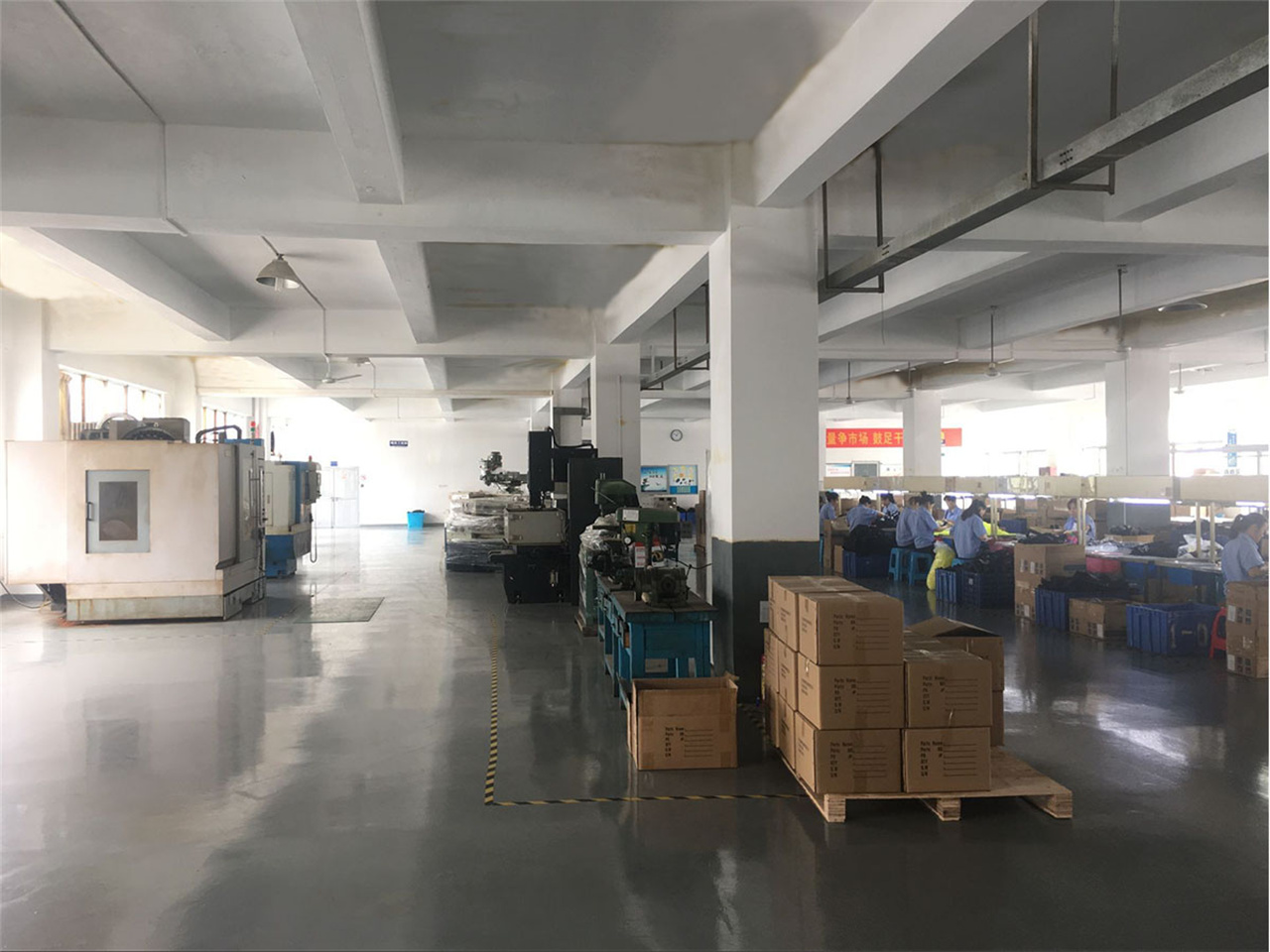
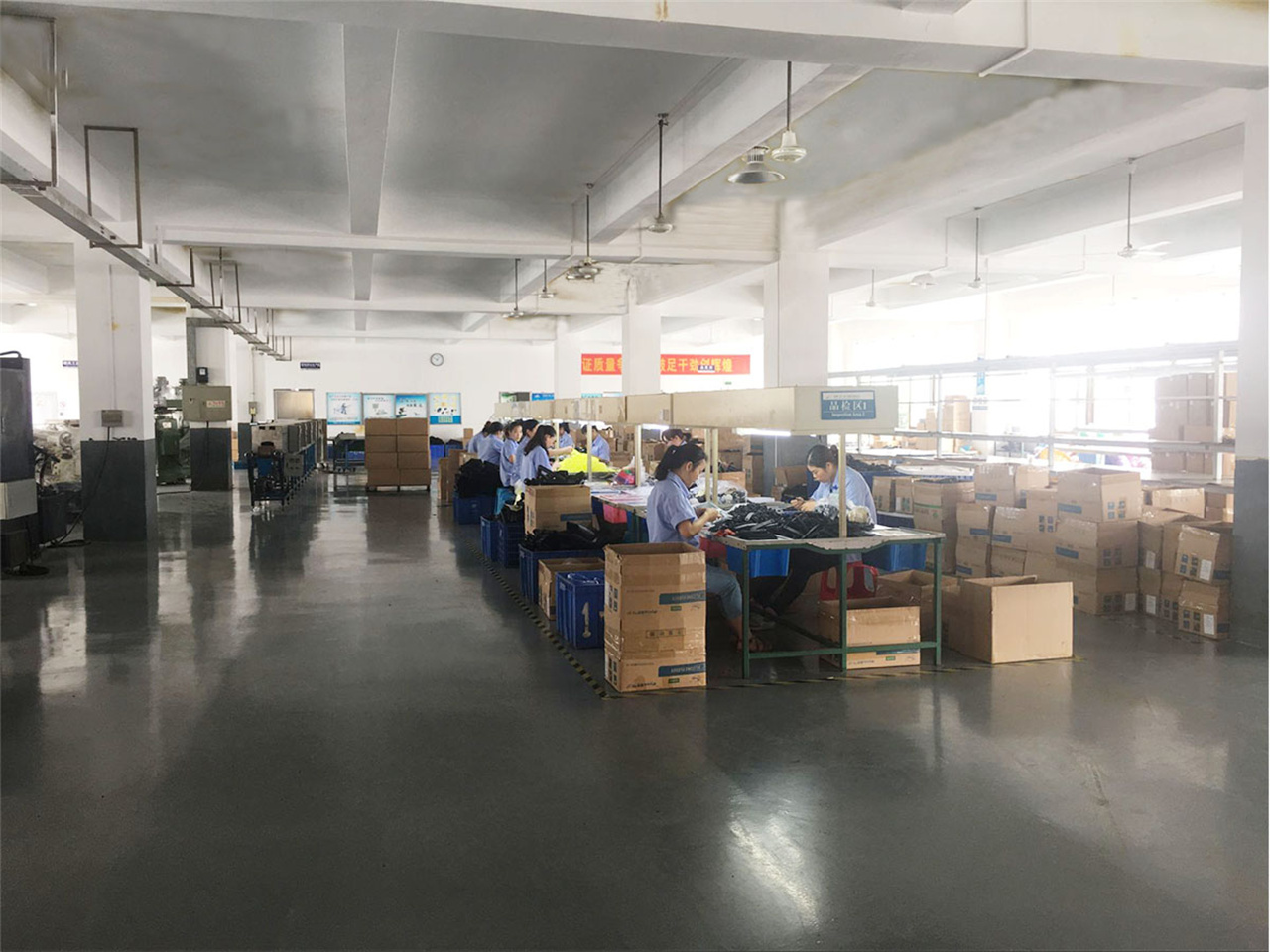
Our facility in Shenzhen leverage China's deeply integrated industrial infrastructure, providing significant capital cost and turnaround speed advantages to international OEMs. We execute in-house mold tooling design utilizing advanced CAD modeling and high-speed CNC milling machines, reducing development cycles from design lock to First Article Inspection (FAI) down to less than 21 days. Furthermore, the localized availability of specialized polymer additives and fillers allows us to customize shore hardness and electrical conductivity specs at scale, offering highly competitive per-unit economics without compromising material traceability.
Industrial purchasing teams demand robust business continuity planning and supply risk mitigation. We support multi-port shipping configurations, customs clearing document generation, and just-in-time (JIT) delivery mechanisms to global automotive hubs. By offering localized distribution partnerships and flexible minimum order quantities (MOQs), we ensure that assembly line requirements are continuously met, whether supporting large-scale mass manufacturing or precision aftermarket customization projects.
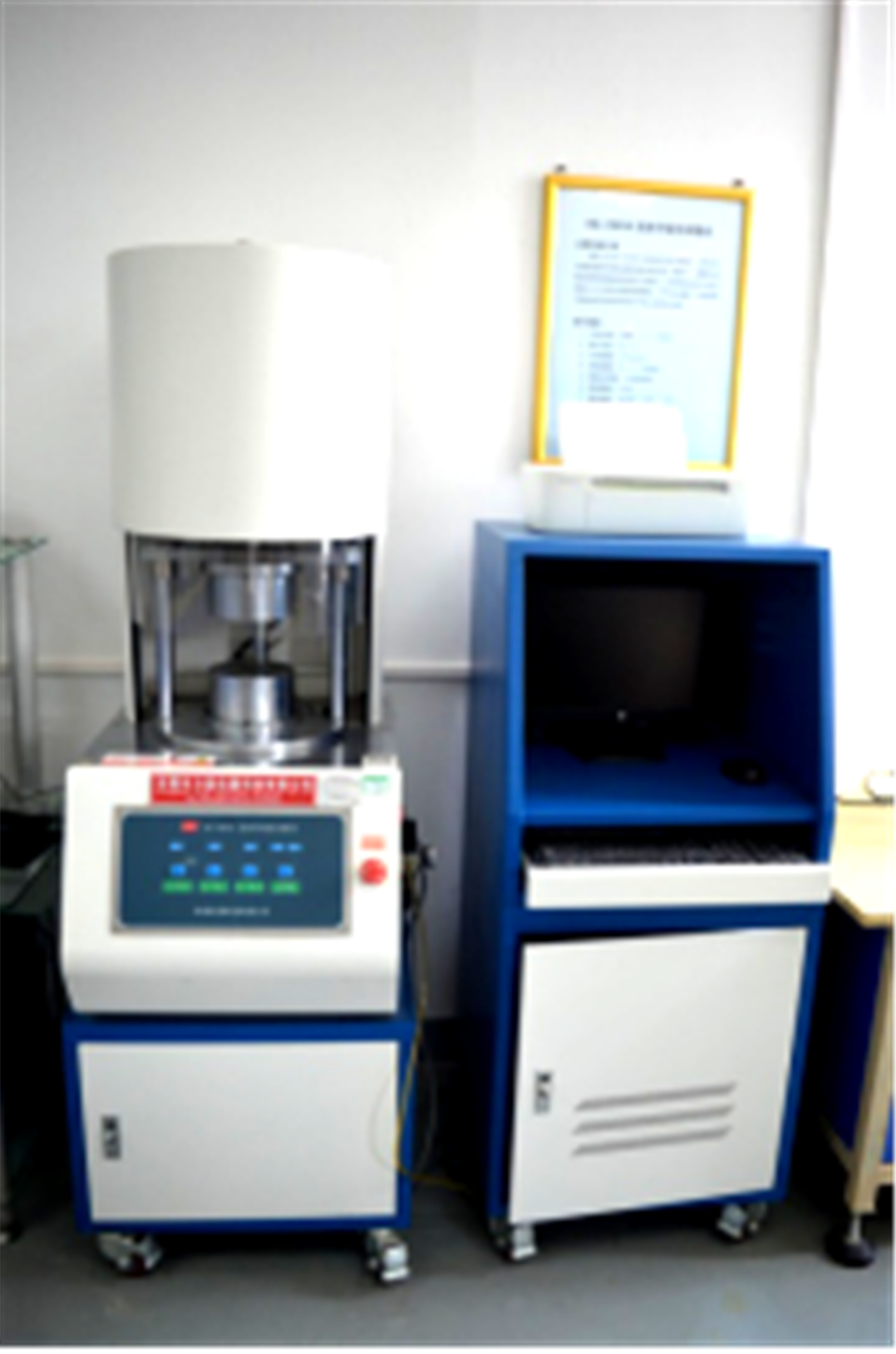
In addition to maintaining certifications including IATF 16949 for automotive process control, ISO 9001 for quality management, and RoHS/REACH compliance for environmental safety, we emphasize collaborative partnerships. Our engineering team works closely with clients to develop custom silicone solutions—from material selection and prototype validation to mass production—ensuring that every component meets precise design requirements and complies with industry regulations. This ongoing dedication to quality and customization has enabled long-term collaborations with leading global brands, reinforcing our reputation as a trusted silicone manufacturer in the international supply chain.
From heavy-duty agricultural systems to zero-emission electric vehicles, our sealing solutions deliver sustained physical performance in the field.
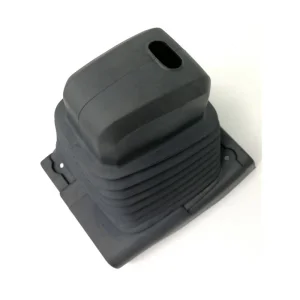
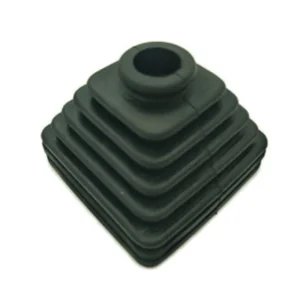
Agricultural platforms like Case IH and heavy industrial applications demand seals that survive constant exposure to abrasive dust, hydrocarbons, and severe physical impacts. Our precision bellows and dust boots offer dynamic flexing fatigue life exceeding 1,000,000 cycles under variable pressures, protecting internal hydraulic linkages and clutch systems.
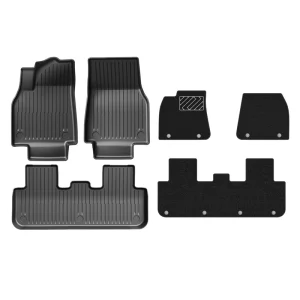
Interior cabin styling components like the custom center phone holders and all-weather elastomer liners for modern premium vehicles (e.g., Tesla Model 3 and Model Y) require high surface quality. We leverage dual-shot molding and anti-static surface modification technologies to yield zero-odor, stain-resistant parts with a premium tactile finish.
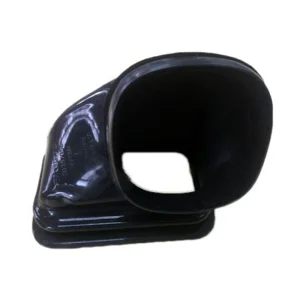
Commercial trucking applications like Volvo Truck air ducts and exhaust flexible bellows require components that resist structural fatigue induced by constant motor vibration. By utilizing engineered fiber-reinforced elastomers and high-temperature silicones, we maintain gas-tight seals that comply with global emission regulatory frameworks.
Clear, authoritative technical answers to assist automotive engineering and sourcing departments in making informed supply decisions.
Engineered solutions optimized for global logistics distribution and long-term operating durability.
 101 Rubber