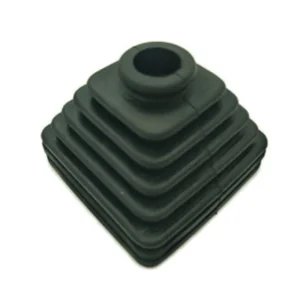
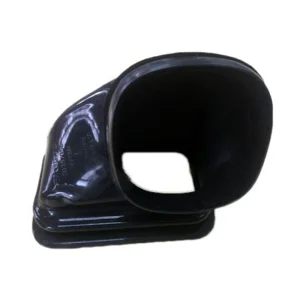
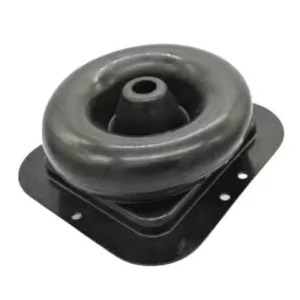
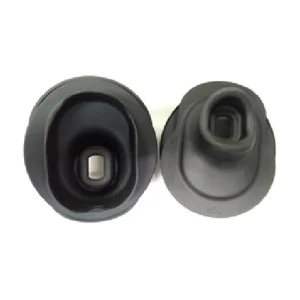
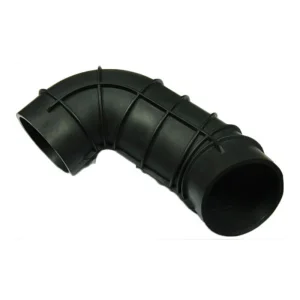
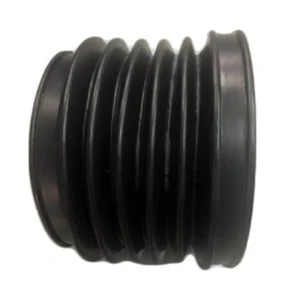
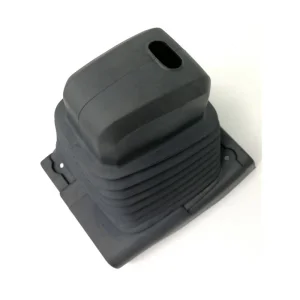
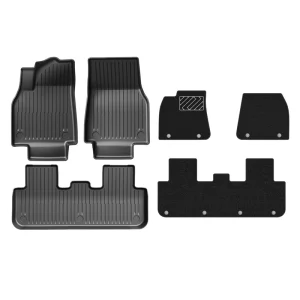
Explore our top-tier precision-molded components, designed and manufactured to meet rigorous automotive structural and sealing specifications.
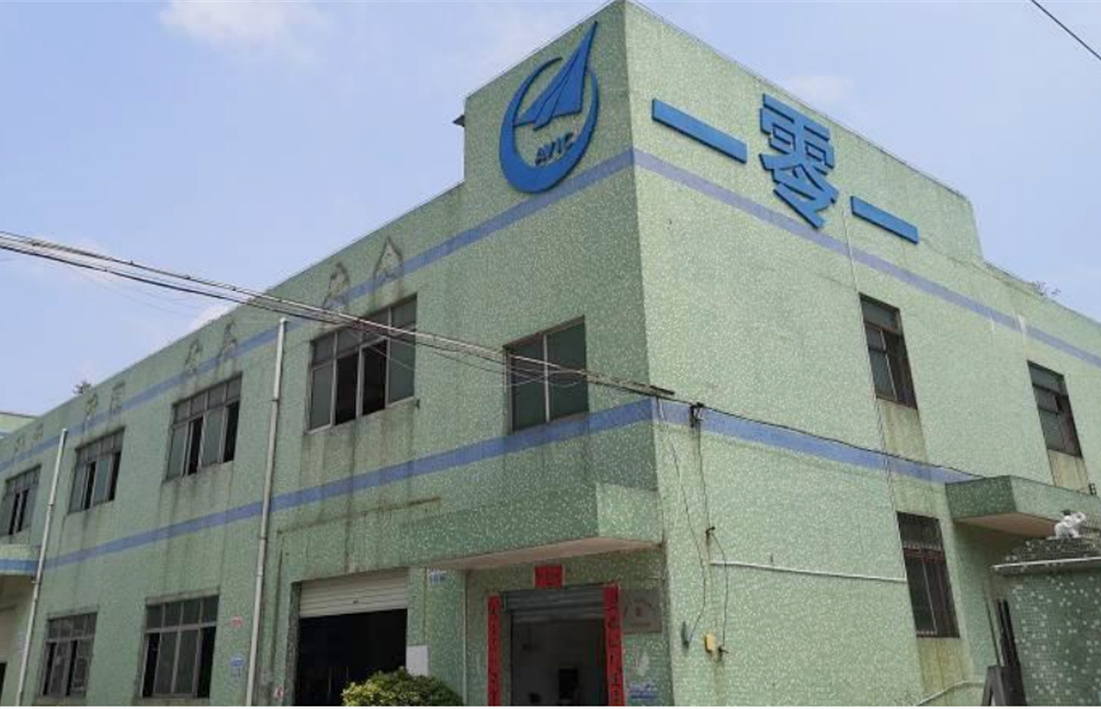
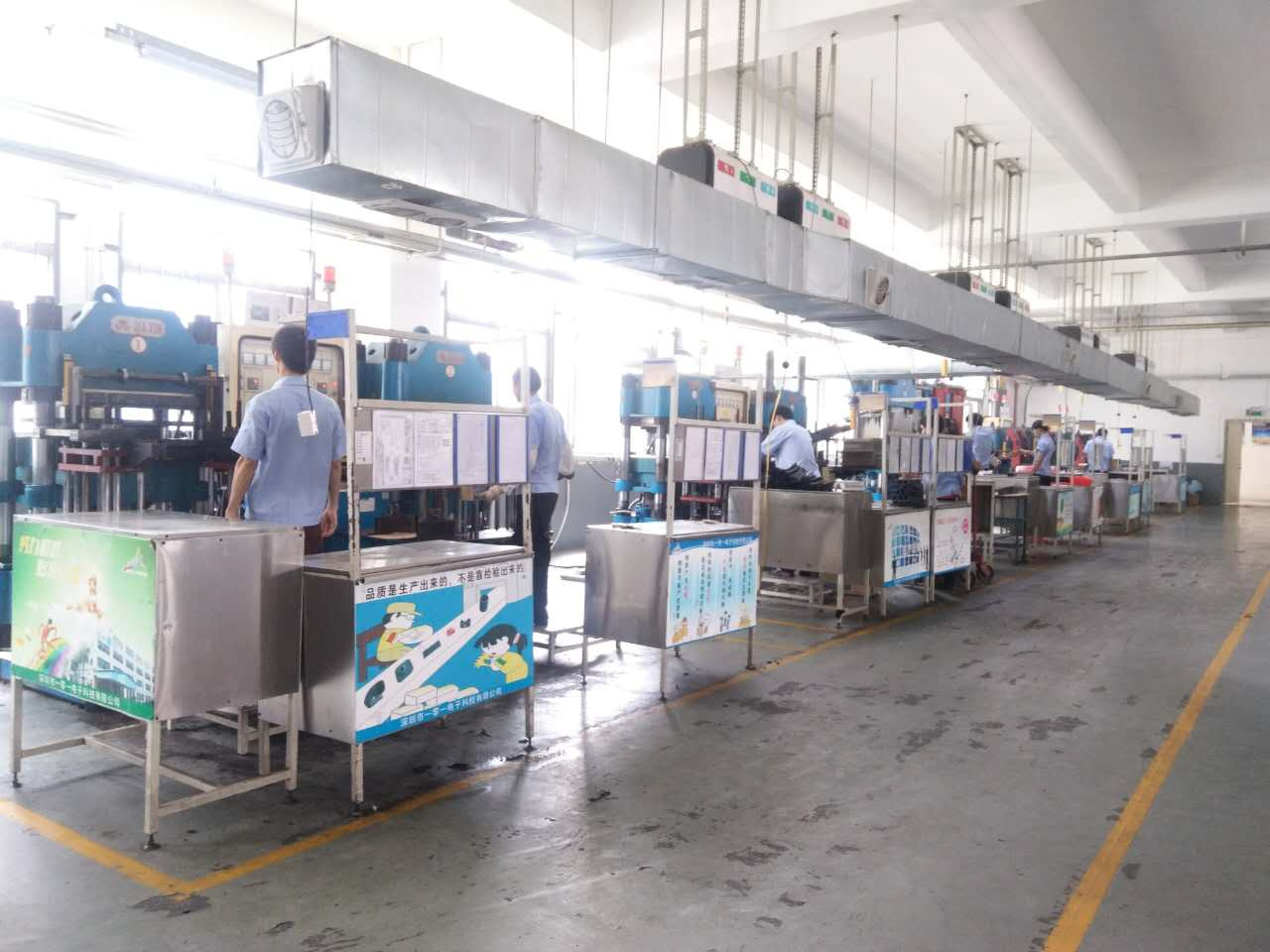
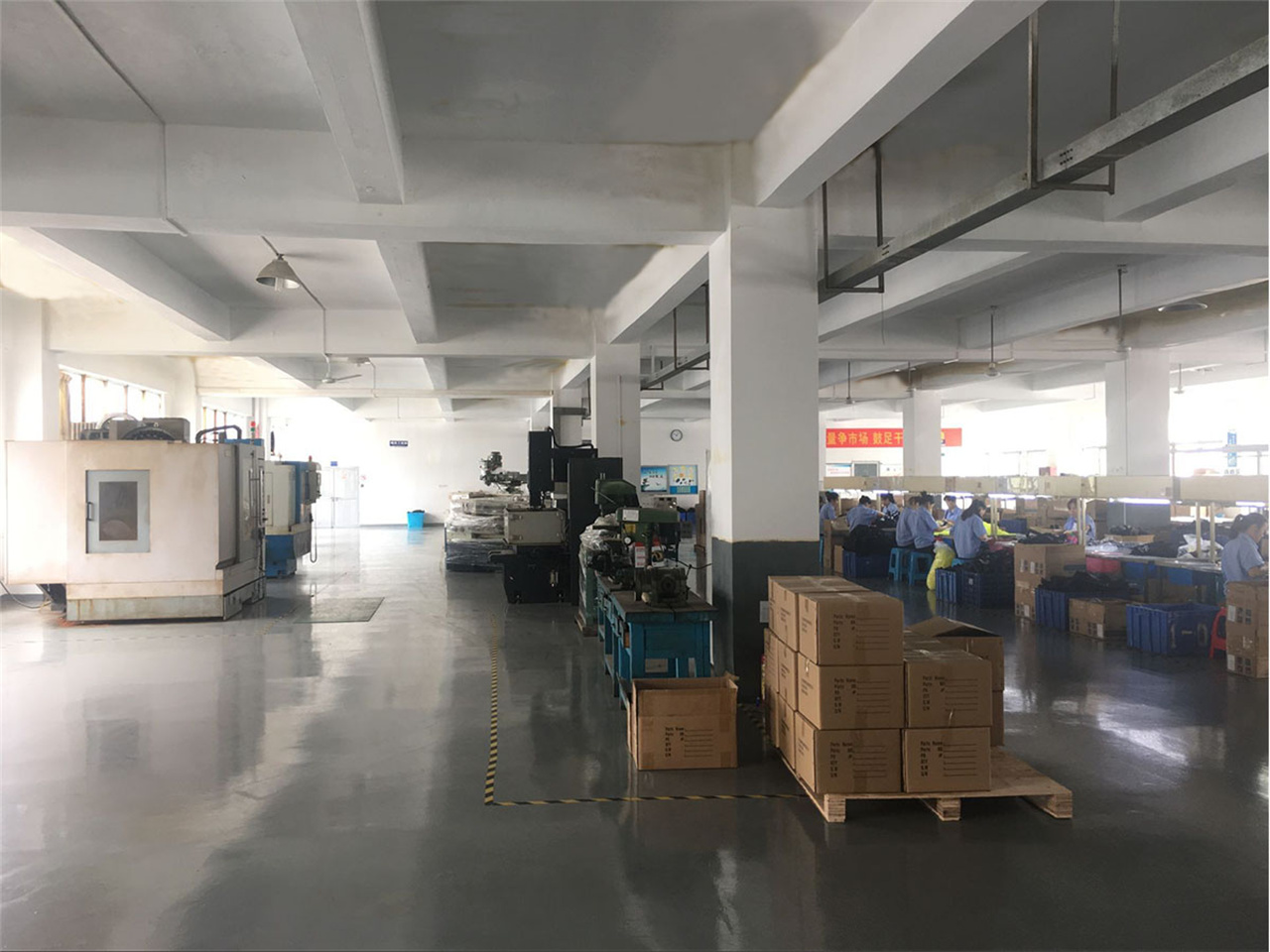
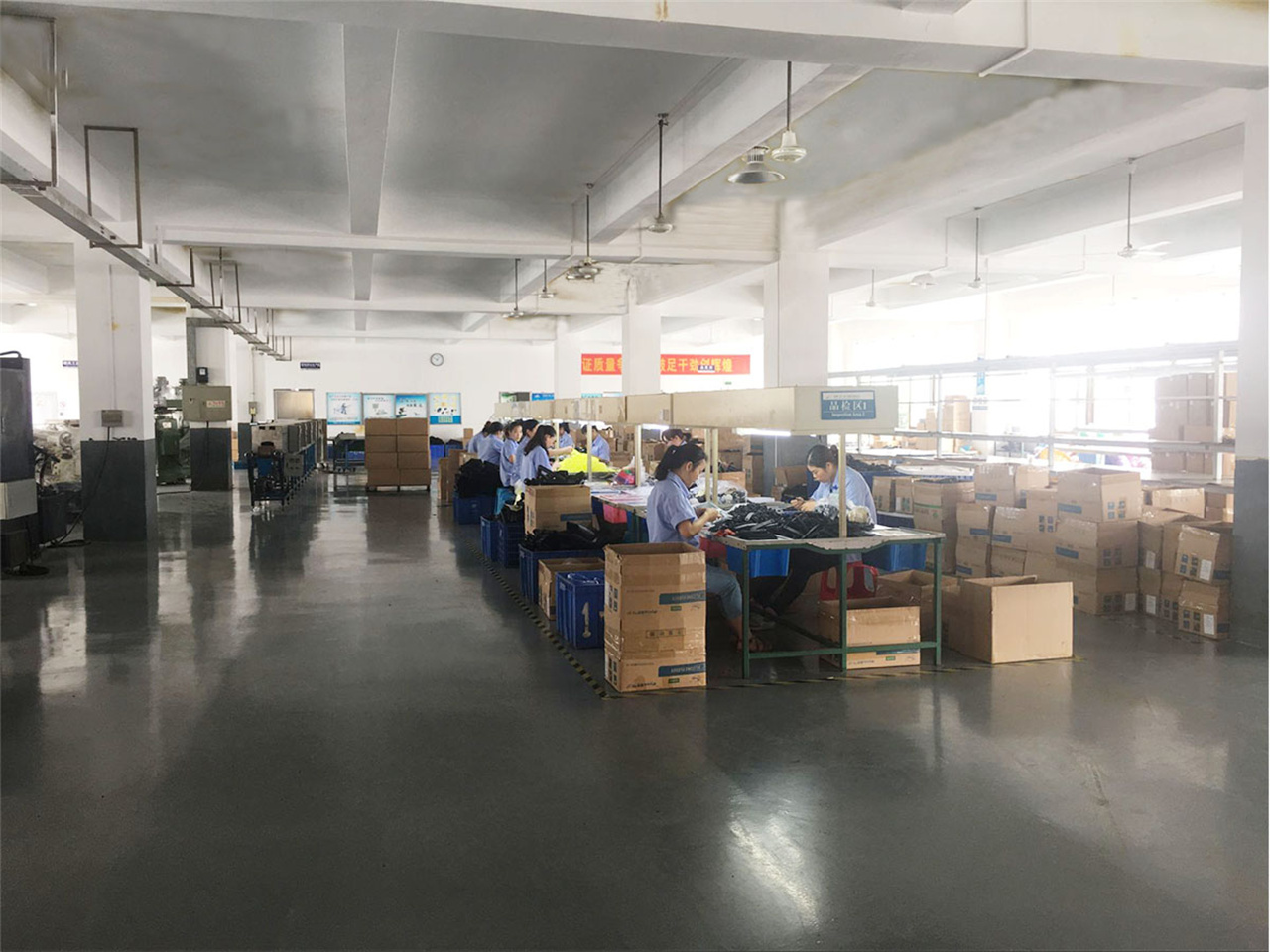
With 17 years of dedicated expertise, Shenzhen 101 Electronic Technology Co., Ltd. is a leading manufacturer of precision silicone components, serving as a trusted partner for industries that demand high-performance sealing and structural solutions. Established in 2007 and certified to both ISO 9001 and IATF 16949 standards, our company operates from an 8,000㎡ state-of-the-art facility equipped with advanced production lines, cleanrooms, and stringent quality inspection stations—all designed to ensure consistent quality across every silicone component we produce.
We specialize in integrating innovations in material science with precision molding technologies to deliver critical silicone rubber parts that enhance the reliability of products across the automotive, consumer electronics, medical devices, and industrial equipment sectors.
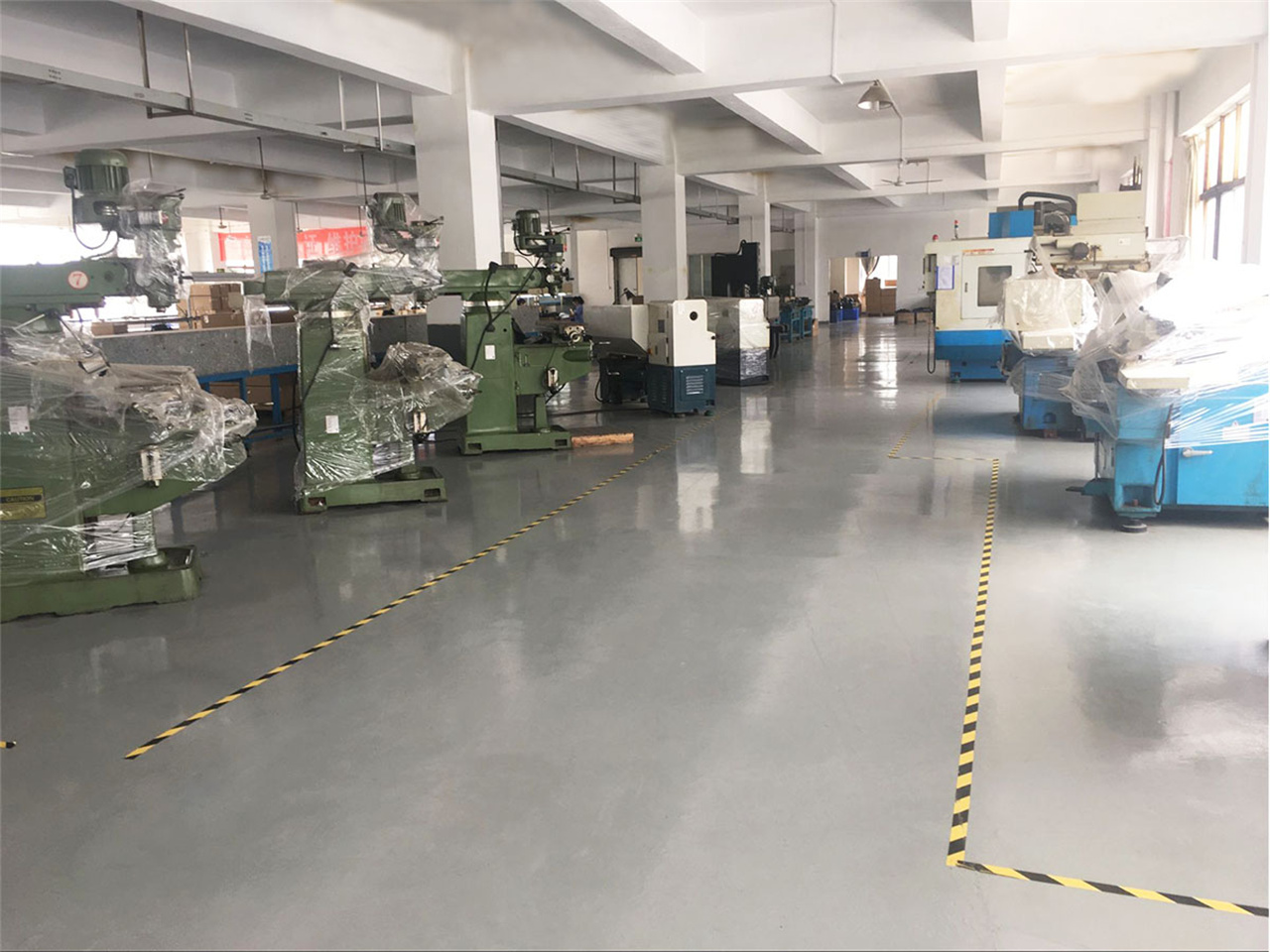
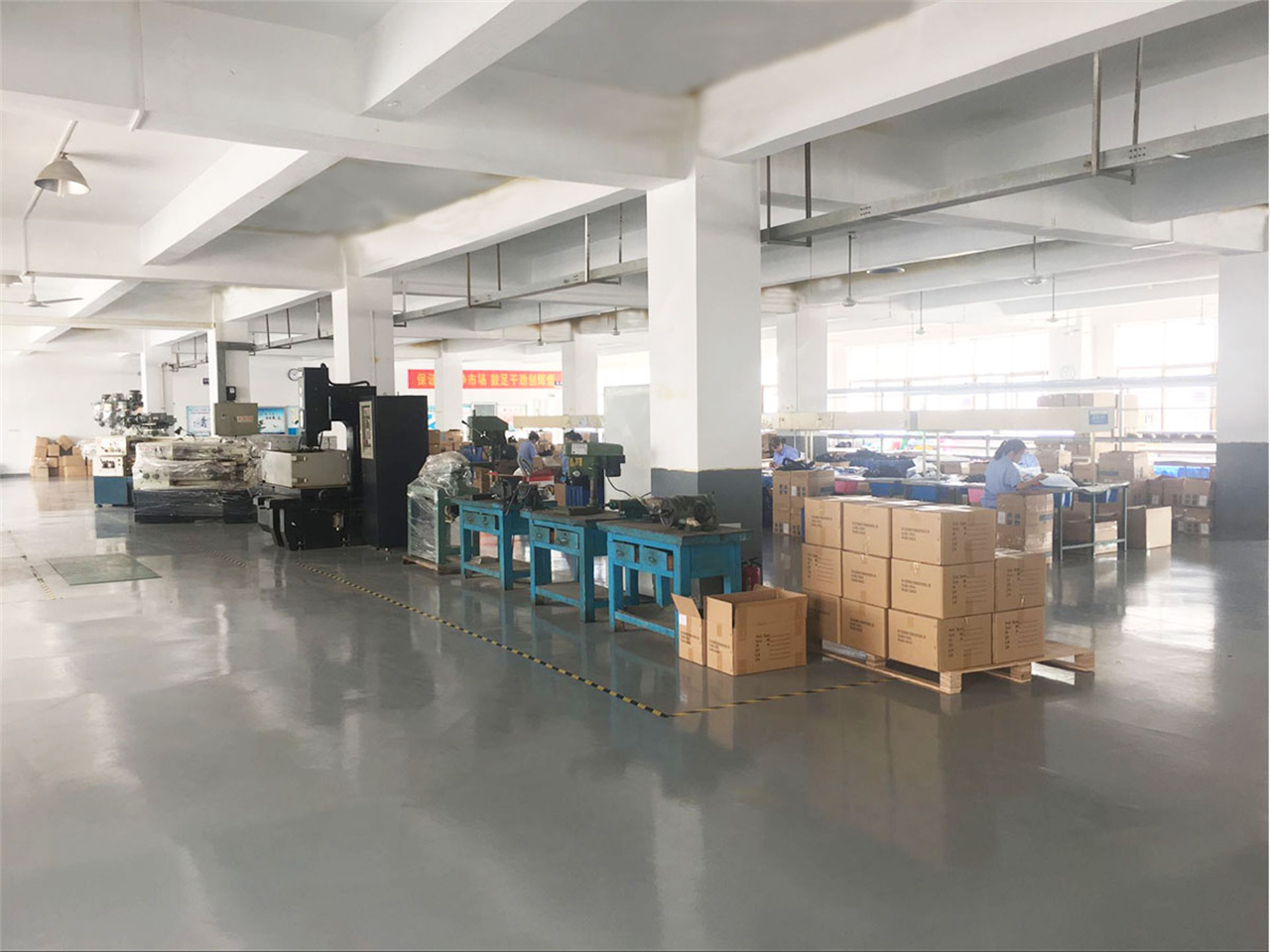
Leveraging advanced machinery and material science to meet demanding industrial and automotive applications.
Our production infrastructure is designed to meet complex silicone manufacturing demands through a combination of heavy-tonnage molding systems and intelligent automation:
We operate a comprehensive range of compression presses (250T to 600T) for large-format silicone parts, as well as injection molding machines (350T to 550T) capable of processing both Liquid Silicone Rubber (LSR) and High-Temperature Vulcanized (HTV) silicone. Each machine is equipped with automated demolding systems to ensure dimensional stability within ±0.15mm—essential for applications where precision is critical to product safety and performance.
With over 40 proprietary silicone formulations, we meet diverse functional requirements including conductive silicone (10³–10⁸ Ω·cm) for electromagnetic shielding, food-grade silicone (FDA compliant) for kitchen and medical applications, and flame-retardant silicone (UL94 V-0 rated) for high-temperature industrial environments. Our materials perform reliably across an extreme temperature range of -60°C to 300°C, making them ideal for demanding applications such as automotive under-hood systems and industrial machinery.
The automotive sector is shifting rapidly. Weatherstripping must adapt to new acoustic, environmental, and mechanical performance requirements.
Transitioning from standard EPDM profiles to advanced Thermoplastic Vulcanizates (TPVs) and customized Liquid Silicone Rubber (LSR). These materials offer exceptional UV degradation resistance, lower weight, and 100% recyclability, aligning with global green vehicle mandates.
Integration of embedded capacitive and resistive anti-pinch sensors directly into the hollow chambers of the door and tailgate weatherstripping. Essential for semi-autonomous passenger doors and powered tailgates.
Combining rigid carrier materials, soft sponge sealing bulbs, and low-friction slip coatings (such as polyurethane or silicone coatings) into a single profile. This maximizes structural door grip while ensuring a smooth door-closing feel.
| Material Category | Hardness Range (Shore A) | Temperature Limits (°C) | Acoustic Insulation Performance | Primary Automotive Application |
|---|---|---|---|---|
| High-Temperature Vulcanized (HTV) Silicone | 30 - 80 | -60 to 300°C | Excellent (Wide Frequency range) | Engine compartment, door frame seals, high-voltage battery pack seals |
| Liquid Silicone Rubber (LSR) | 10 - 80 | -50 to 220°C | Superior (Consistent damping) | Precision connector gaskets, sensor grommets, dynamic membrane valves |
| EPDM (Sponge + Dense Co-extrusion) | 40 - 90 | -40 to 120°C | Very Good (Low frequency blocking) | Primary & secondary door weatherstripping, trunk and hood seals |
| Thermoplastic Vulcanizates (TPV/TPE) | 50 - 95 | -40 to 135°C | Good (High vibration damping) | Glass run channels, roof line trims, beltline moldings |
Addressing the critical engineering hurdles facing New Energy Vehicle (NEV) and traditional internal combustion engine (ICE) platforms.
Electric vehicles run silently compared to their combustion counterparts, which makes wind noise, tire roar, and environmental sounds significantly more audible inside the cabin. Our custom auto door weatherstripping is designed using precise finite element analysis (FEA) to ensure optimal seal deflection and compression pressure distribution. This reduces drag and blocks high-frequency wind noise at speeds up to 120 km/h, providing a quiet passenger cabin.
In EVs, heating and air conditioning draw power directly from the main traction battery, lowering overall driving range. By utilizing high-density, multi-chambered silicone and EPDM profile extrusions, our weatherstripping minimizes convective air exchange between the cabin and the external environment. This drastically lowers cabin thermal loss, improves HVAC efficiency, and extends EV range per charge cycle.
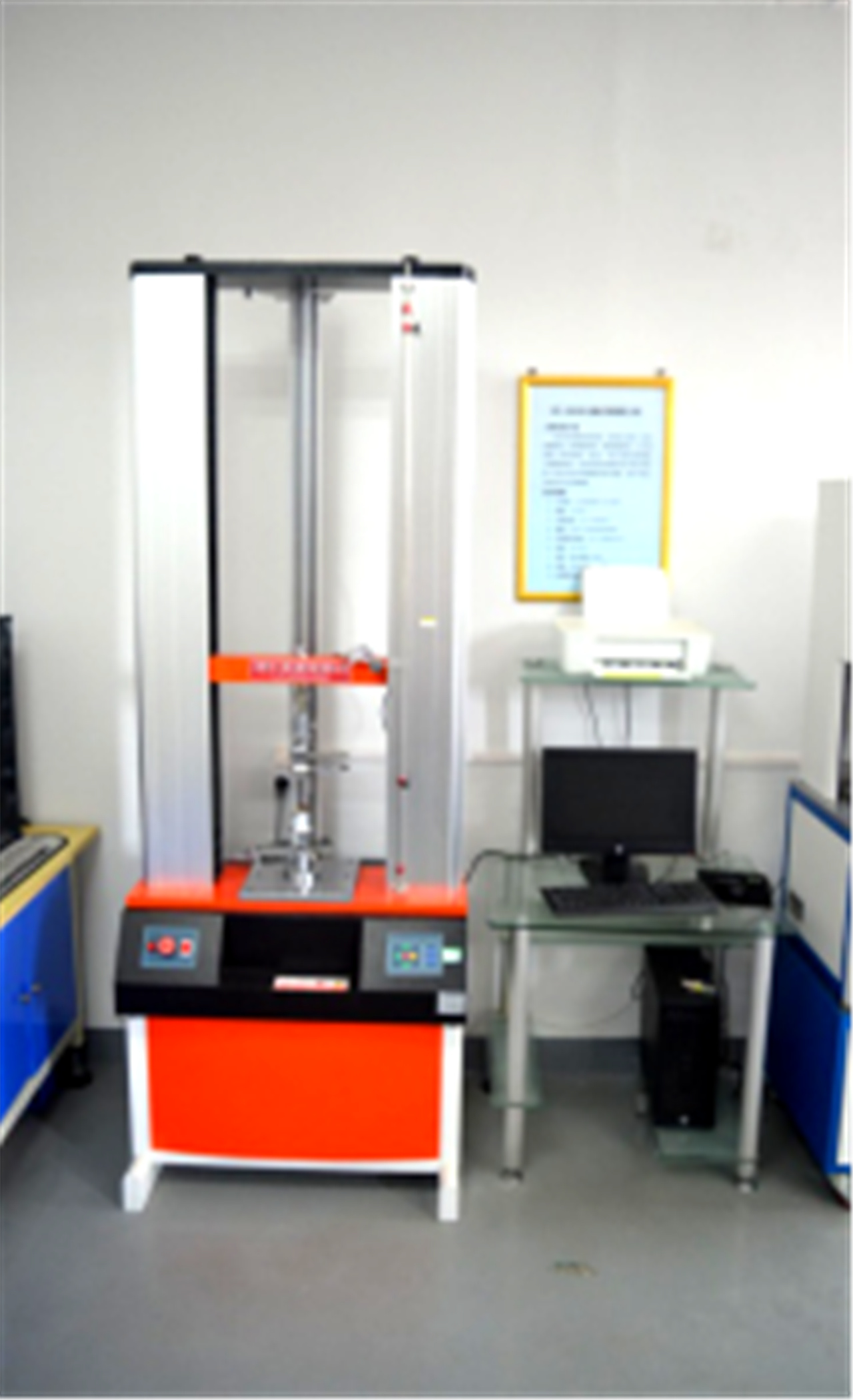
Our smart factories leverage modern automation, localized raw material sourcing, and efficient production workflows to offer global cost advantages.
By integrating automated feeding, laser-micrometer sizing controls, and robotic pick-and-place demolding, Shenzhen 101 maintains manufacturing tolerances within strict limits. This virtually eliminates manual handling defects and boosts yield rates.
We source premium raw polymers directly from verified regional chemical suppliers. This localized supply chain insulates our production lines from global shipping disruptions and allows us to formulate and test specialized materials quickly.
Our in-house CNC mold-making shop allows us to go from initial 3D CAD files to functional prototypes in as little as 10-15 business days. This accelerates our clients' development cycles during critical vehicle launch windows.
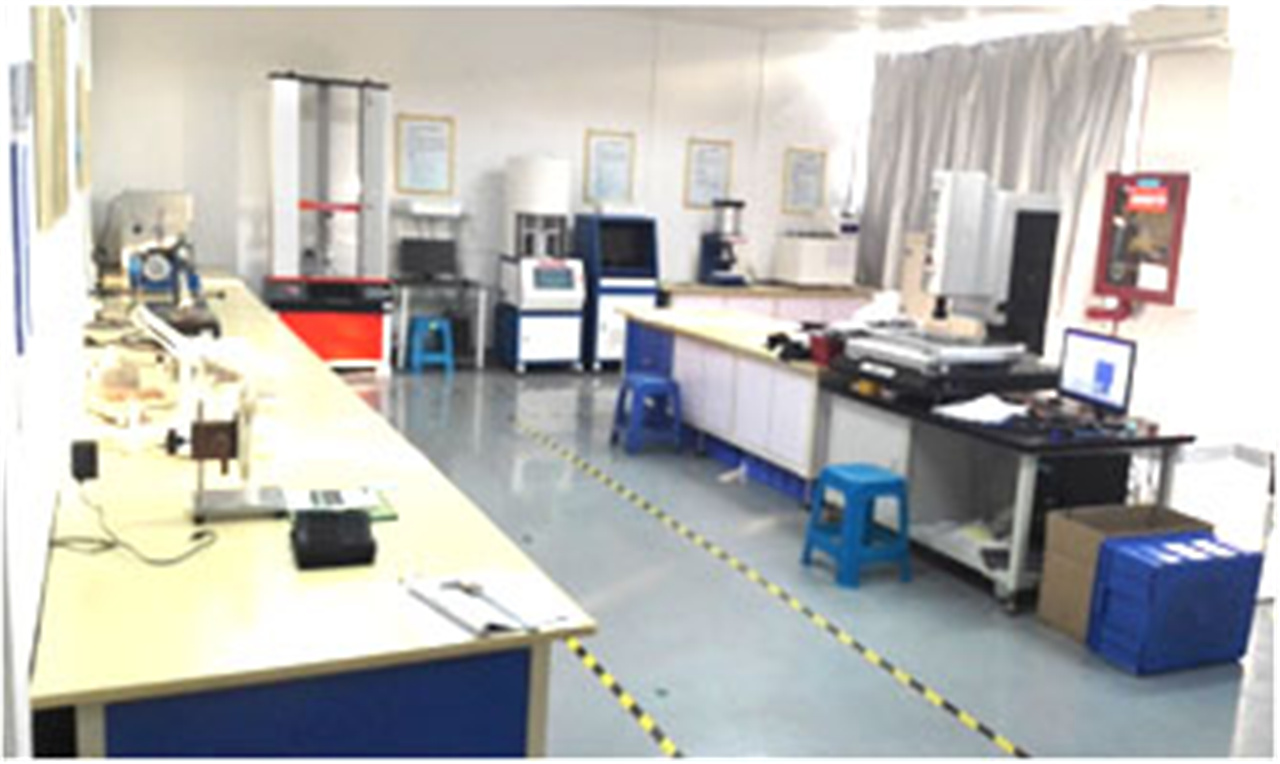
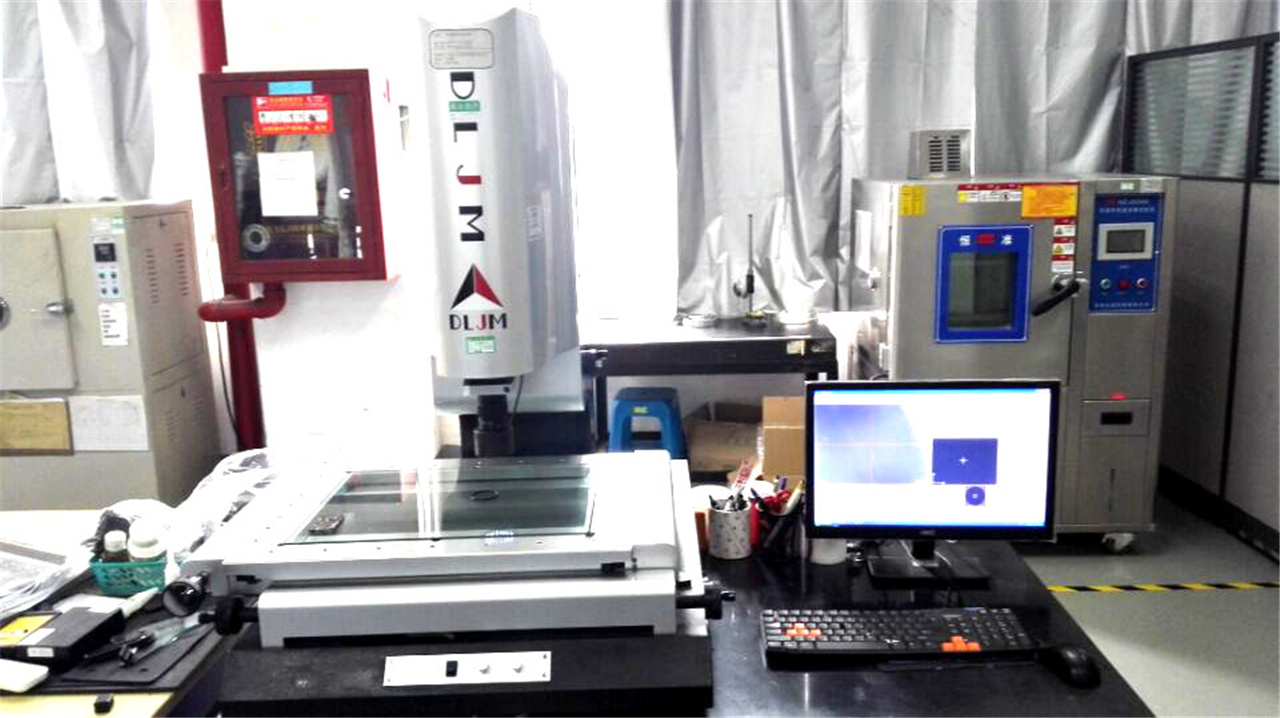
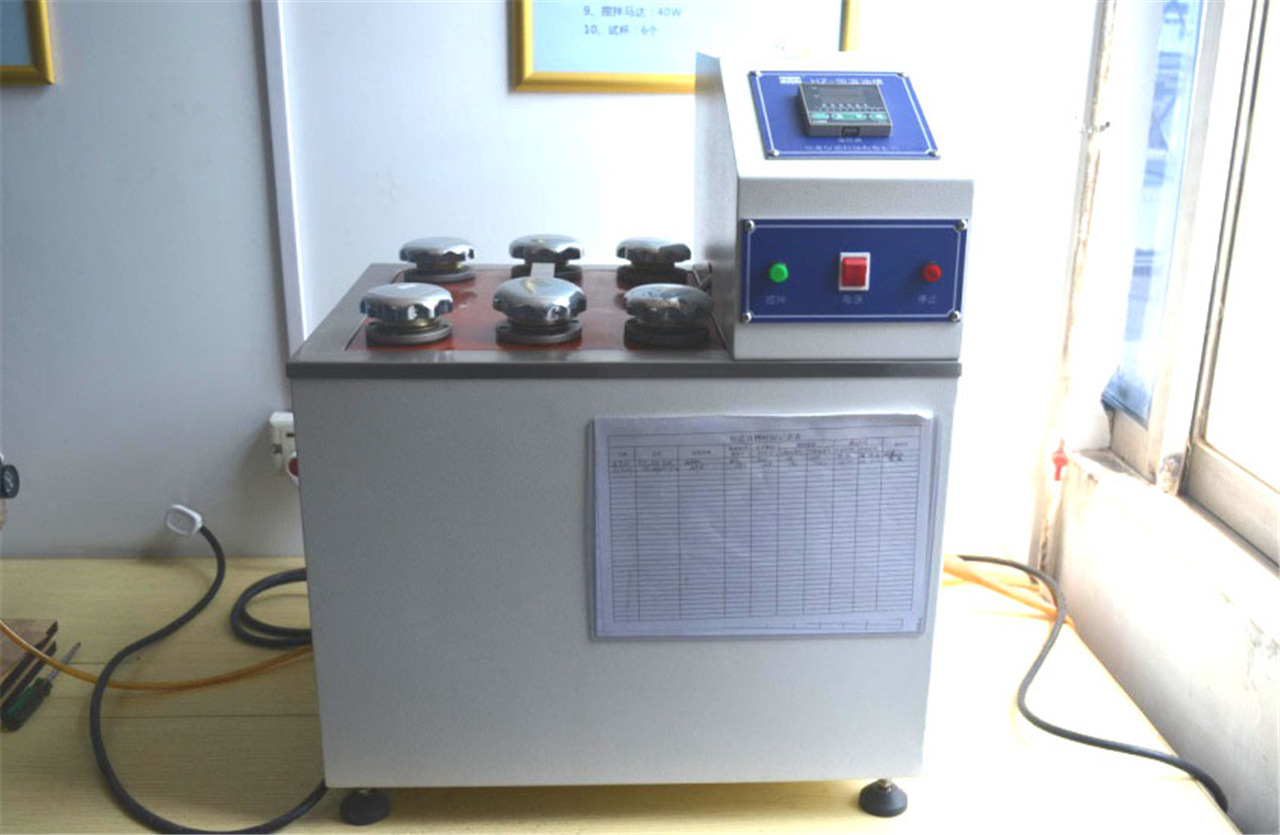
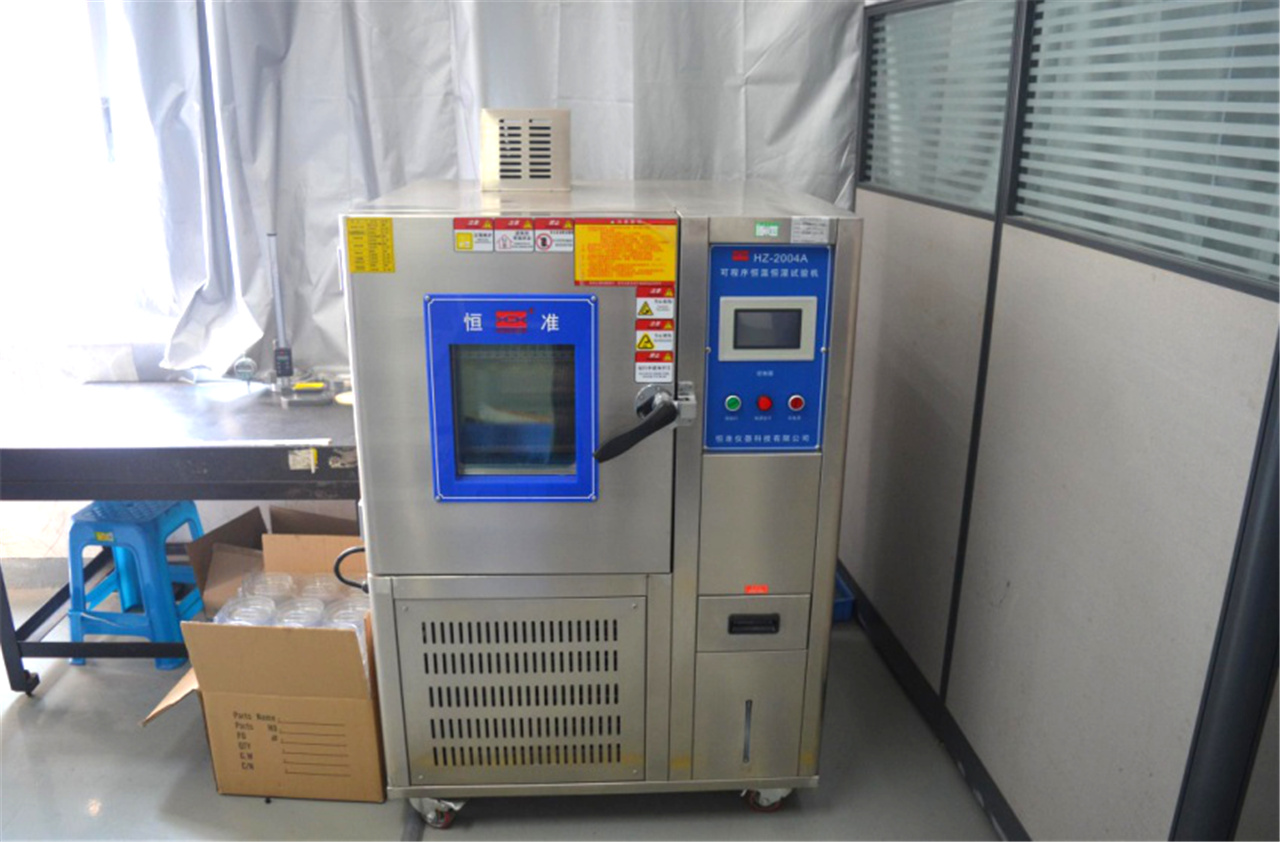
To operate smoothly within global supply chains, automotive components must comply with a complex matrix of regulatory and qualitative requirements. As an IATF 16949 and ISO 9001 certified manufacturer, Shenzhen 101 supports clients through every step of this certification process:
Aligning engineering, quality assurance, and commercial protocols to build long-term OEM relationships.
When sourcing weatherstripping profiles, procurement directors must weigh material costs against long-term reliability. A single sealing failure on a mass-produced vehicle can lead to expensive recalls and damage a brand's reputation. That is why our engineering process addresses key design verification plan (DVP) benchmarks from day one.
We measure and tune the force required to compress the weatherstrip profile. This ensures a consistent water-tight seal without making the vehicle doors difficult for passengers to close.
Our materials undergo environmental testing under intense UV, heat, and high ozone concentration conditions to prevent cracking, fading, or loss of elasticity over a 10+ year lifespan.
Using specialized surface coatings, we lower friction between the door seal and the painted metal body panels, preventing irritating squeaks and cabin rattles during driving.
Answers to common technical, material, and manufacturing questions for automotive buyers.
High-reliability seals, custom bellows, and vehicle protection liners manufactured to strict international quality standards.
 101 Rubber