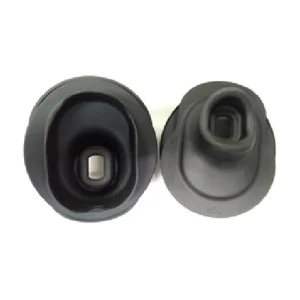
Explore our high-performance replacement parts engineered for extreme wear, environmental durability, and strict OEM compliance.
A deep look into the technological advancements, material compounding science, and future trends of heavy-duty elastomer seals.
Modern black rubber door seals rely on high-performance EPDM (Ethylene Propylene Diene Monomer), Nitrile (NBR), and customized Liquid Silicone Rubber (LSR). Incorporating nano-fillers and micro-cellular foaming technology increases elastic recovery, limits compression set, and guarantees optimal long-term acoustic isolation.
Industrial applications subject rubber profiles to continuous UV degradation and high ozone levels. Formulations are enriched with specialized anti-ozonants and thermal stabilizers, ensuring that the profile maintains its sealing structure without cracking or drying out over decades of operation.
For high-speed automotive and railway designs, door seal geometries are engineered via Finite Element Analysis (FEA) to reduce wind drag and seal out high-frequency noise. Co-extruded designs featuring rigid metal-insert carriers coupled with soft bulb seals prevent deformation under high wind shear.
The global demand for high-performance sealing solutions has shifted from standard single-extrusion profiles to multi-durometer co-extrusion profiles. Innovations in vulcanization kinetics and inline flocking allow modern door seals to deliver incredibly low friction coefficients while maintaining exceptional water-tight integrity. As industries strive toward lower emissions and better thermal management, the role of structural door seals in preventing heat exchange and reducing auxiliary power drain has become highly critical.
Procurement managers and supply chain directors face strict regulatory demands. Selecting a reliable manufacturer is not just about price; it requires rigorous alignment with engineering standards, chemical safety compliance, and reliable lead times.
Use this checklist when evaluating high-volume industrial rubber seal suppliers:
Precision Silicone Components Manufacturer | Since 2007
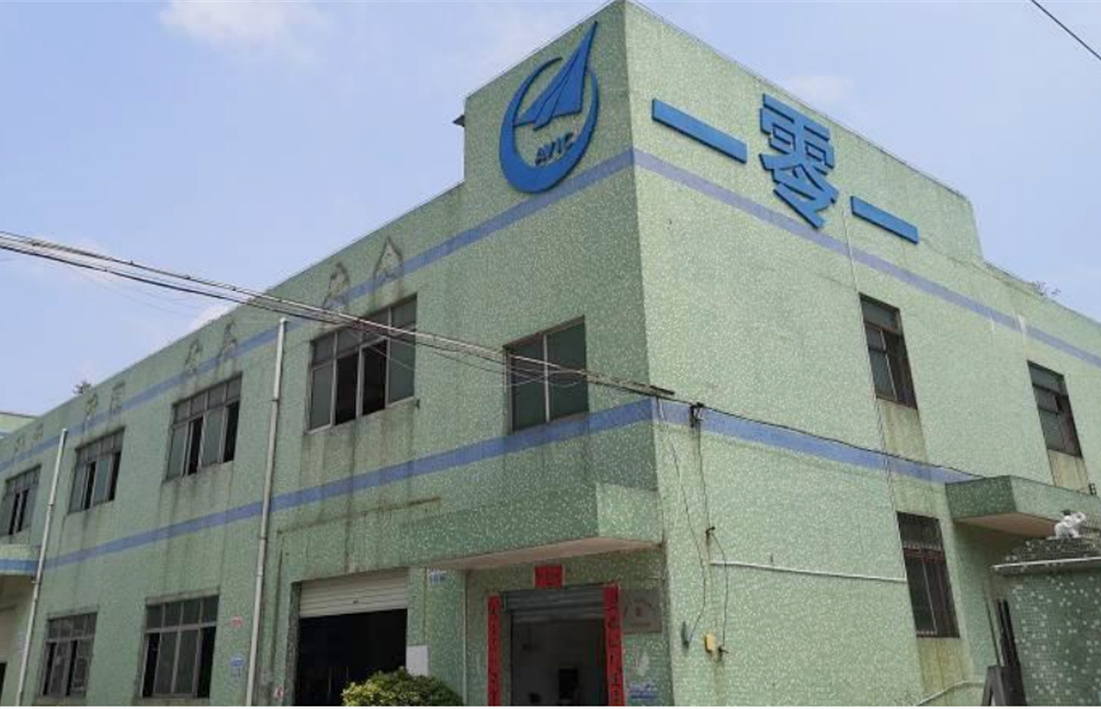
With 17 years of dedicated expertise, Shenzhen 101 Electronic Technology Co., Ltd. is a leading manufacturer of precision silicone components, serving as a trusted partner for industries that demand high-performance sealing and structural solutions.
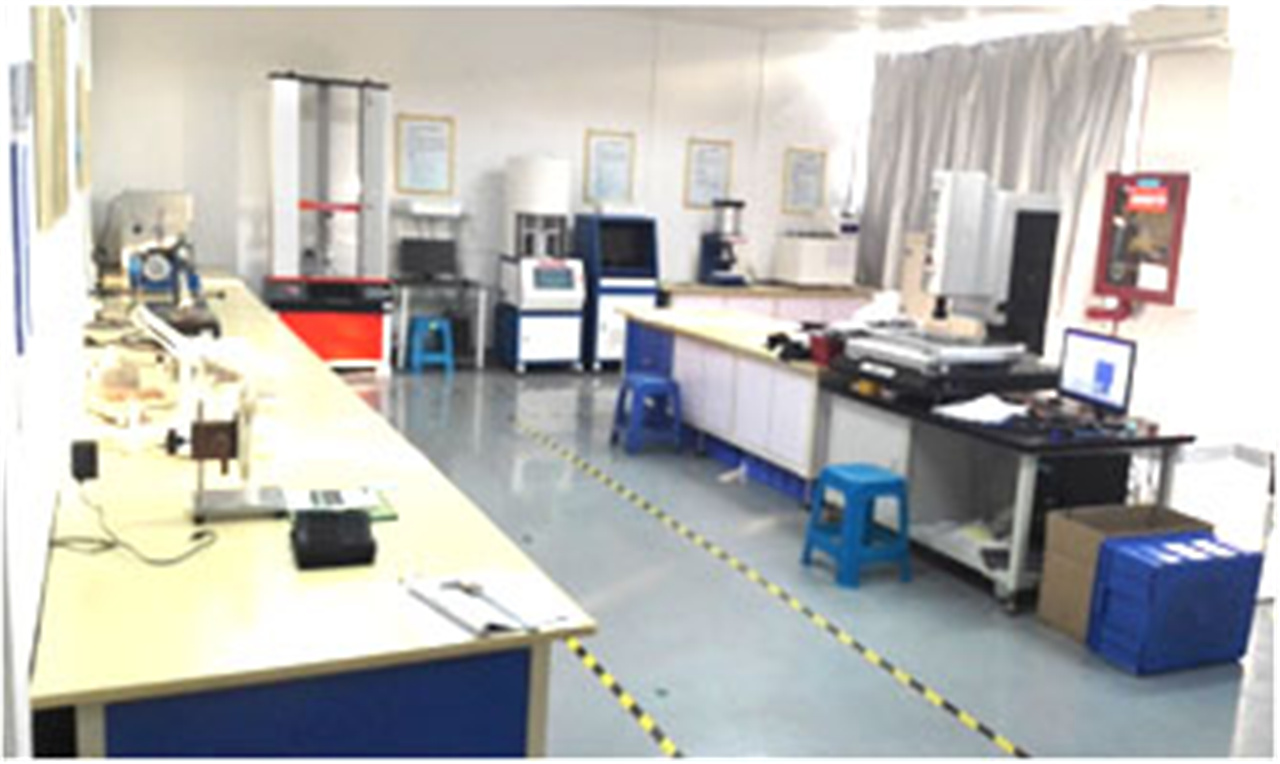
Established in 2007 and certified to both ISO 9001 and IATF 16949 standards, our company operates from an 8,000㎡ state-of-the-art facility equipped with advanced production lines, cleanrooms, and stringent quality inspection stations—all designed to ensure consistent quality across every silicone component we produce.
We specialize in integrating innovations in material science with precision molding technologies to deliver critical silicone rubber parts that enhance the reliability of products across the automotive, consumer electronics, medical devices, and industrial equipment sectors.
Integrating heavy-tonnage molding systems and automated control systems to meet complex silicone manufacturing demands.
Our production infrastructure is designed to meet complex silicone manufacturing demands through a combination of heavy-tonnage molding systems and intelligent automation:
We operate a comprehensive range of compression presses (250T to 600T) for large-format silicone parts, as well as injection molding machines (350T to 550T) capable of processing both Liquid Silicone Rubber (LSR) and High-Temperature Vulcanized (HTV) silicone.
Each machine is equipped with automated demolding systems to ensure dimensional stability within ±0.15mm—essential for applications where precision is critical to product safety and performance.
With over 40 proprietary silicone formulations, we meet diverse functional requirements including conductive silicone (10³–10⁸ Ω·cm) for electromagnetic shielding, food-grade silicone (FDA compliant) for kitchen and medical applications, and flame-retardant silicone (UL94 V-0 rated) for high-temperature industrial environments. Our materials perform reliably across an extreme temperature range of -60°C to 300°C, making them ideal for demanding applications such as automotive under-hood systems and industrial machinery.
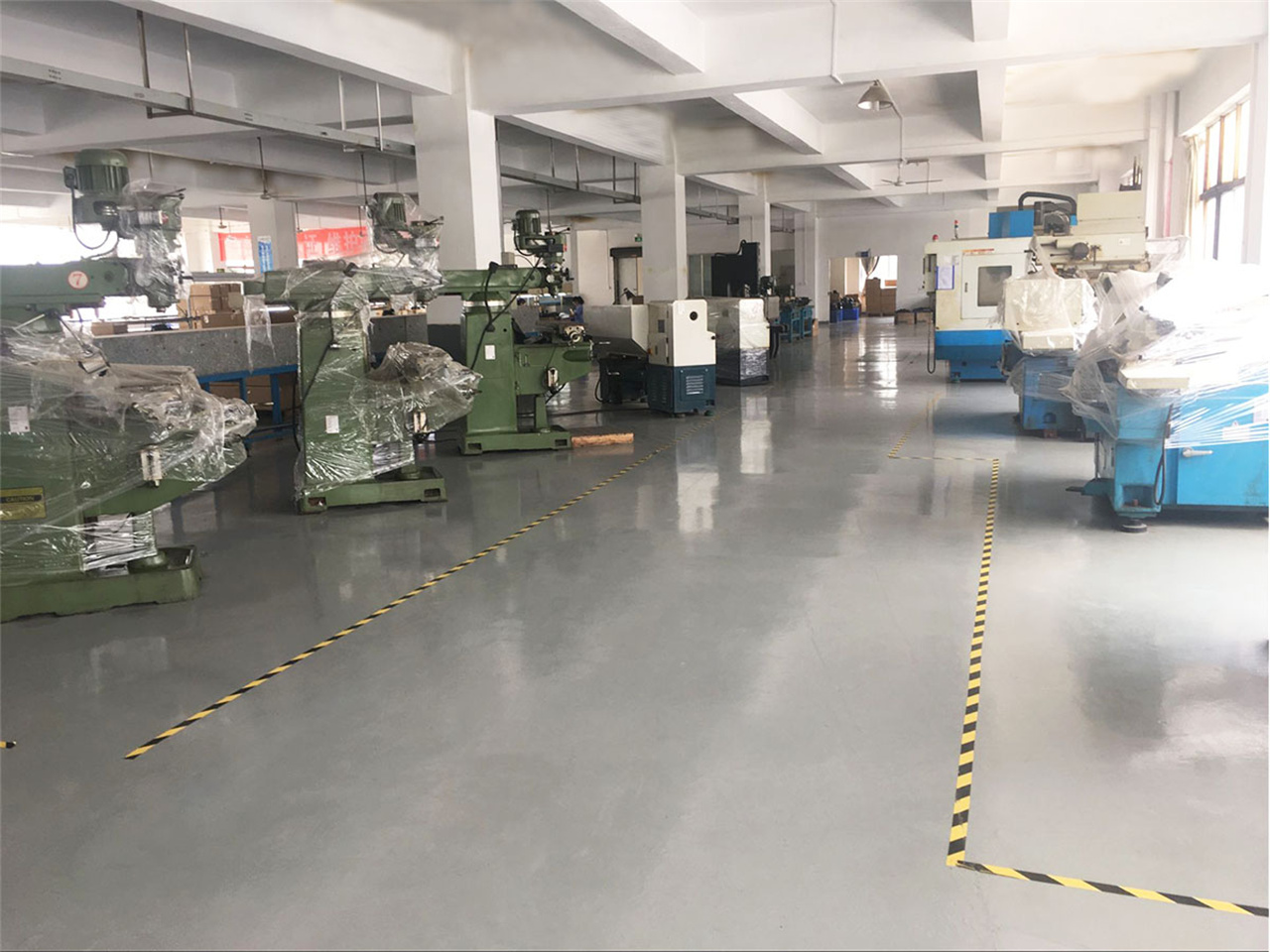
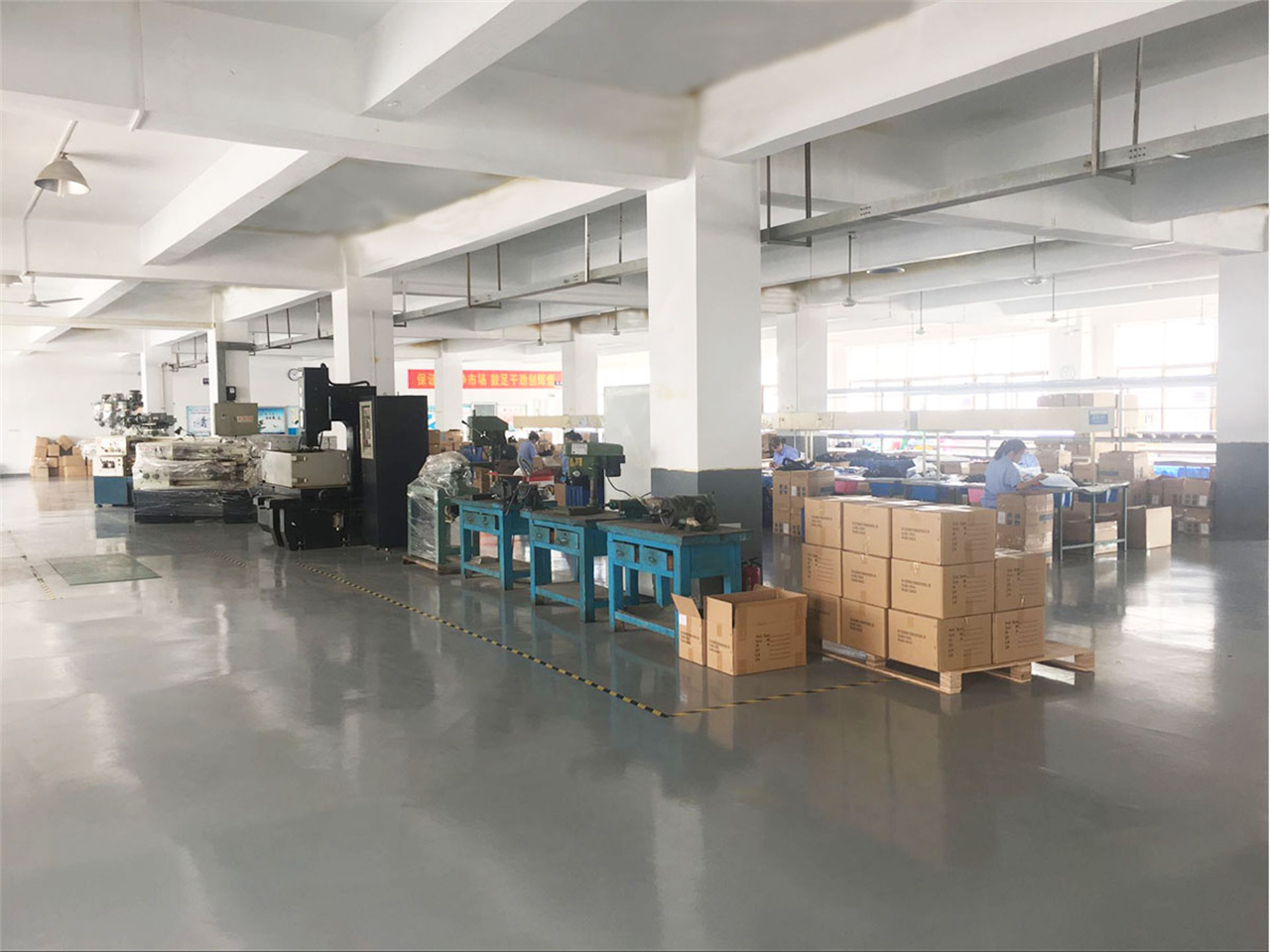
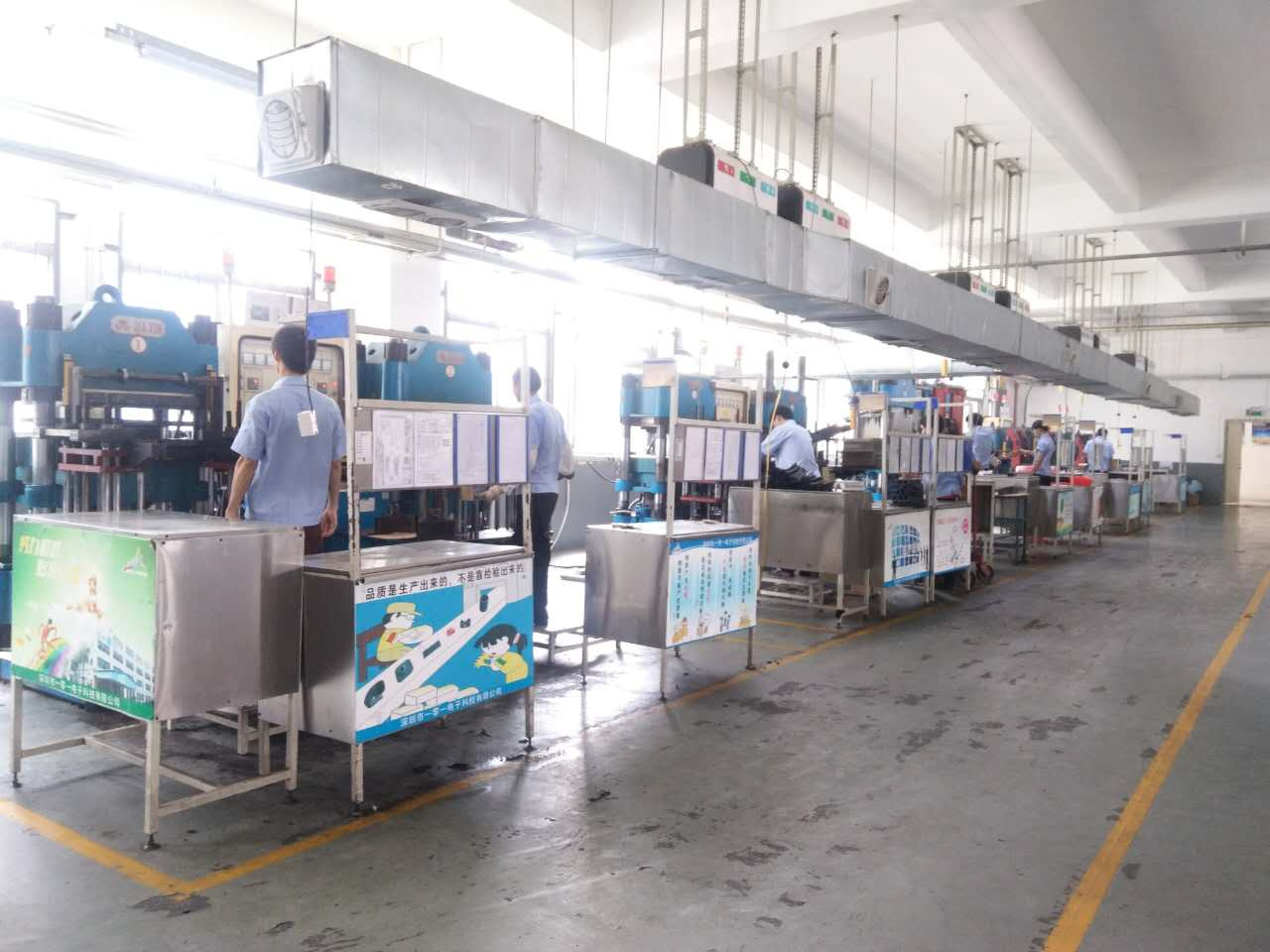
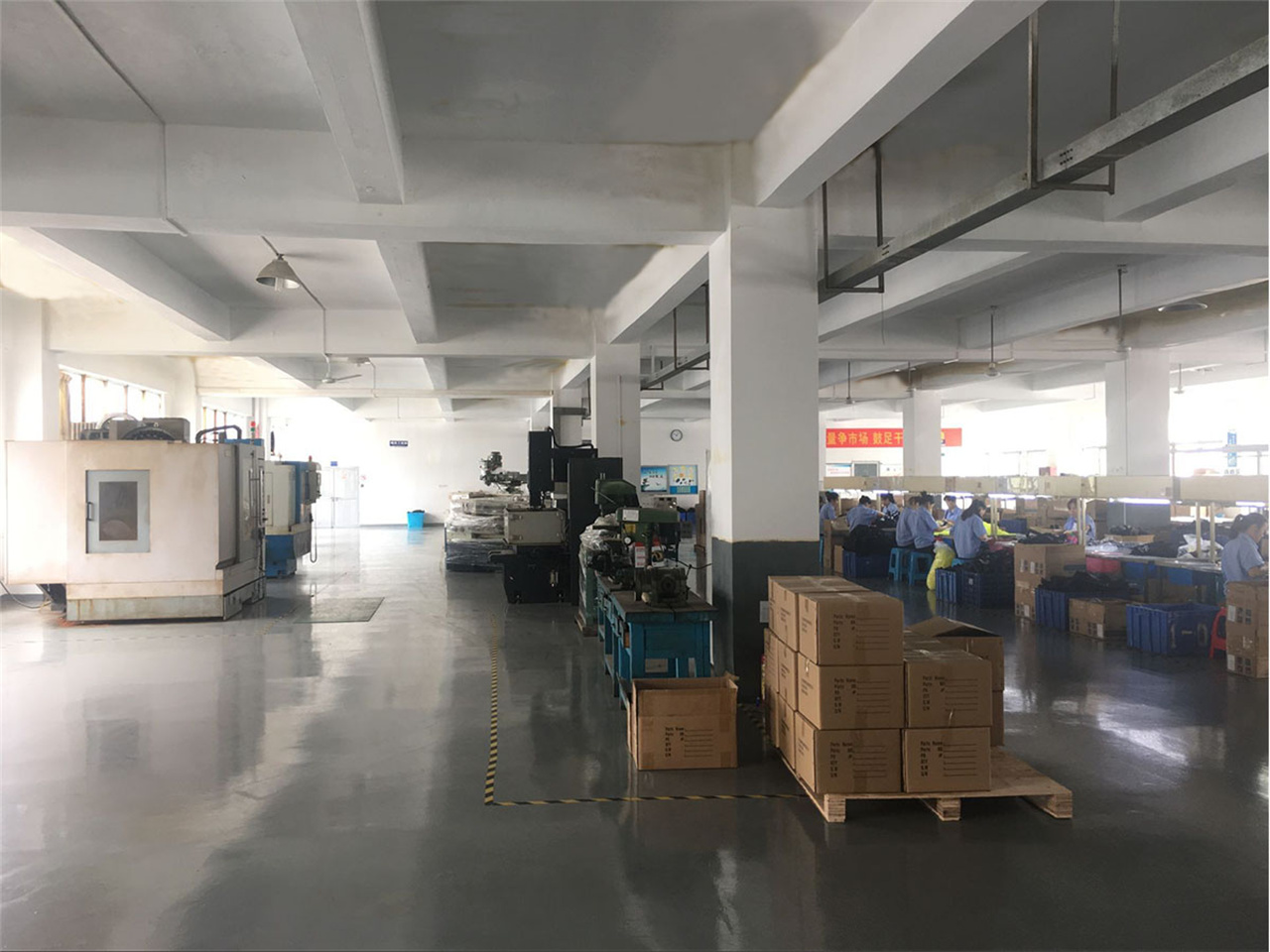
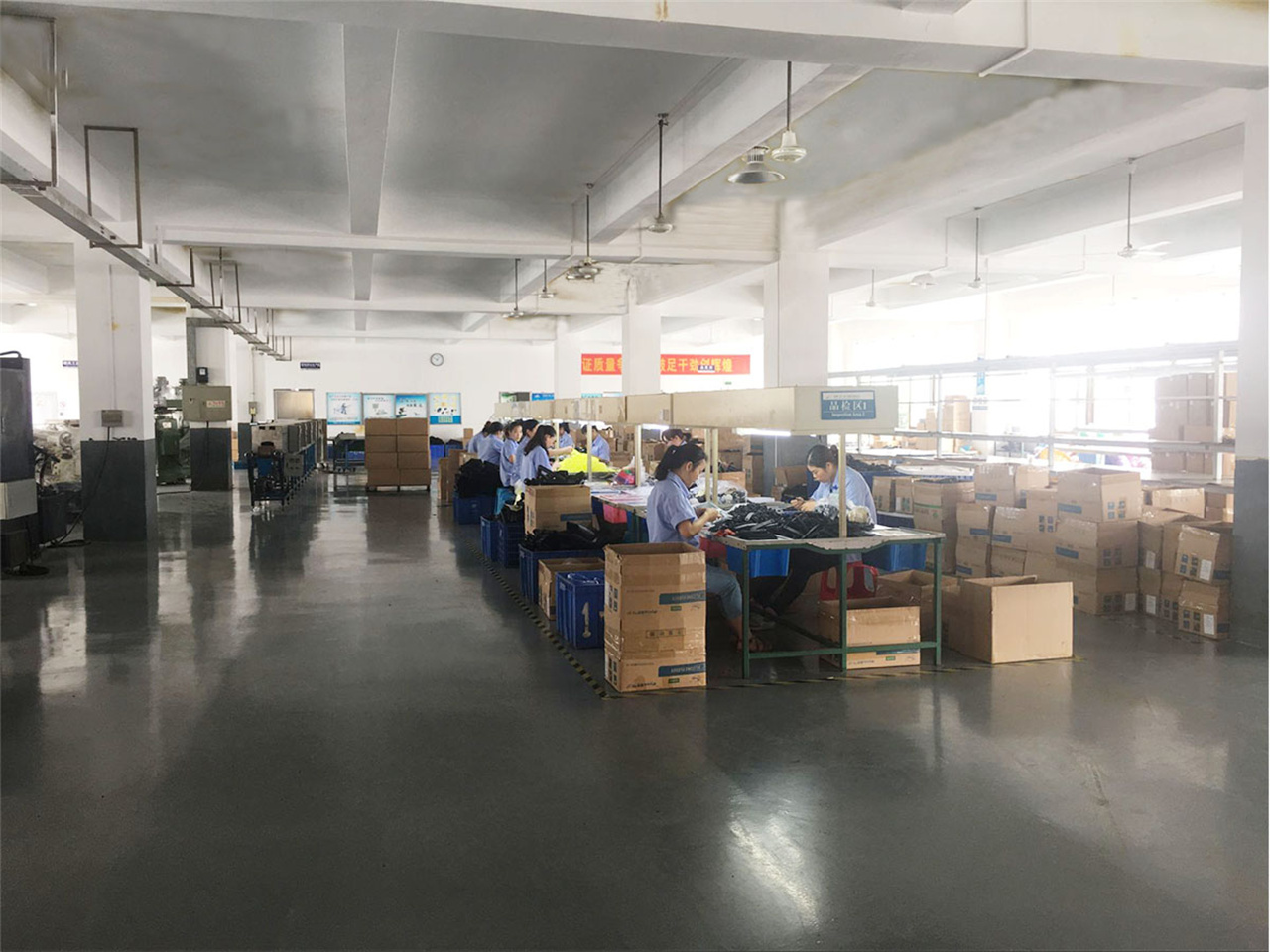
Empowering global OEM supply chains with smart manufacturing, localized raw material sourcing, and highly efficient manufacturing cycles.
By using real-time parameter tracking systems during vulcanization, we monitor temperature, injection speed, and pressure profiles to eliminate structural internal voids and achieve high consistency across large production batches.
Our long-term supplier alliances in Shenzhen and neighboring industrial zones secure constant access to raw monomers and additives, shielding our clients from global material scarcity and sudden logistics delays.
Using precise in-house tooling manufacturing centers, we can design, build, and run initial prototype samples in as little as 7-10 days, allowing our clients to complete rapid physical tests before committing to large volumes.
Meeting international quality benchmarks through continuous testing and dedicated industrial application engineering.
In addition to maintaining certifications including IATF 16949 for automotive process control, ISO 9001 for quality management, and RoHS/REACH compliance for environmental safety, we emphasize collaborative partnerships.
Our engineering team works closely with clients to develop custom silicone solutions—from material selection and prototype validation to mass production—ensuring that every component meets precise design requirements and complies with industry regulations. This ongoing dedication to quality and customization has enabled long-term collaborations with leading global brands, reinforcing our reputation as a trusted silicone manufacturer in the international supply chain.
Providing door, window, and trunk weather seals designed to withstand continuous solar radiation, high highway speeds, and freezing climates while ensuring a quiet, sealed passenger cabin.
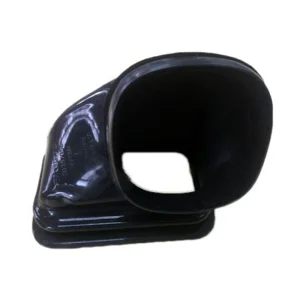
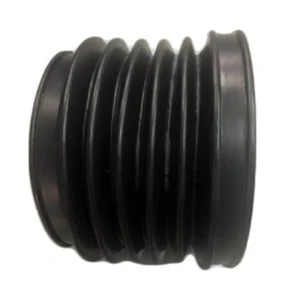
Dust-tight, heavy-duty engine compartment seals, and cabin bellows that keep abrasive soil particles, soot, and moisture from compromising critical internal controls.
Resilient profiles built to meet IP66 and IP67 dust and water rating requirements, ensuring high reliability for outdoor electrical panels and large air handling systems.
Detailed answers to key engineering and procurement questions regarding material choices, customization processes, and quality standards.
EPDM is highly cost-effective and offers excellent resistance to weathering, ozone, and physical wear, making it the standard choice for automotive and general outdoor enclosures. Silicone, on the other hand, provides much broader operating temperatures (-60°C to 300°C), superior flexibility, food-grade/FDA options, and better color stability, though it is usually more expensive.
We achieve high precision through a combination of high-precision CNC mold tooling, heavy-tonnage presses (250T to 600T), and integrated automated demolding systems. This setup controls compound flow and shrinkage rates during vulcanization, preventing typical molding deviations.
Yes. We offer over 40 proprietary formulations. This includes conductive options (10³–10⁸ Ω·cm) for EMI shielding applications, UL94 V-0 flame-retardant compounds for transportation systems, and food-safe, FDA-compliant formulations.
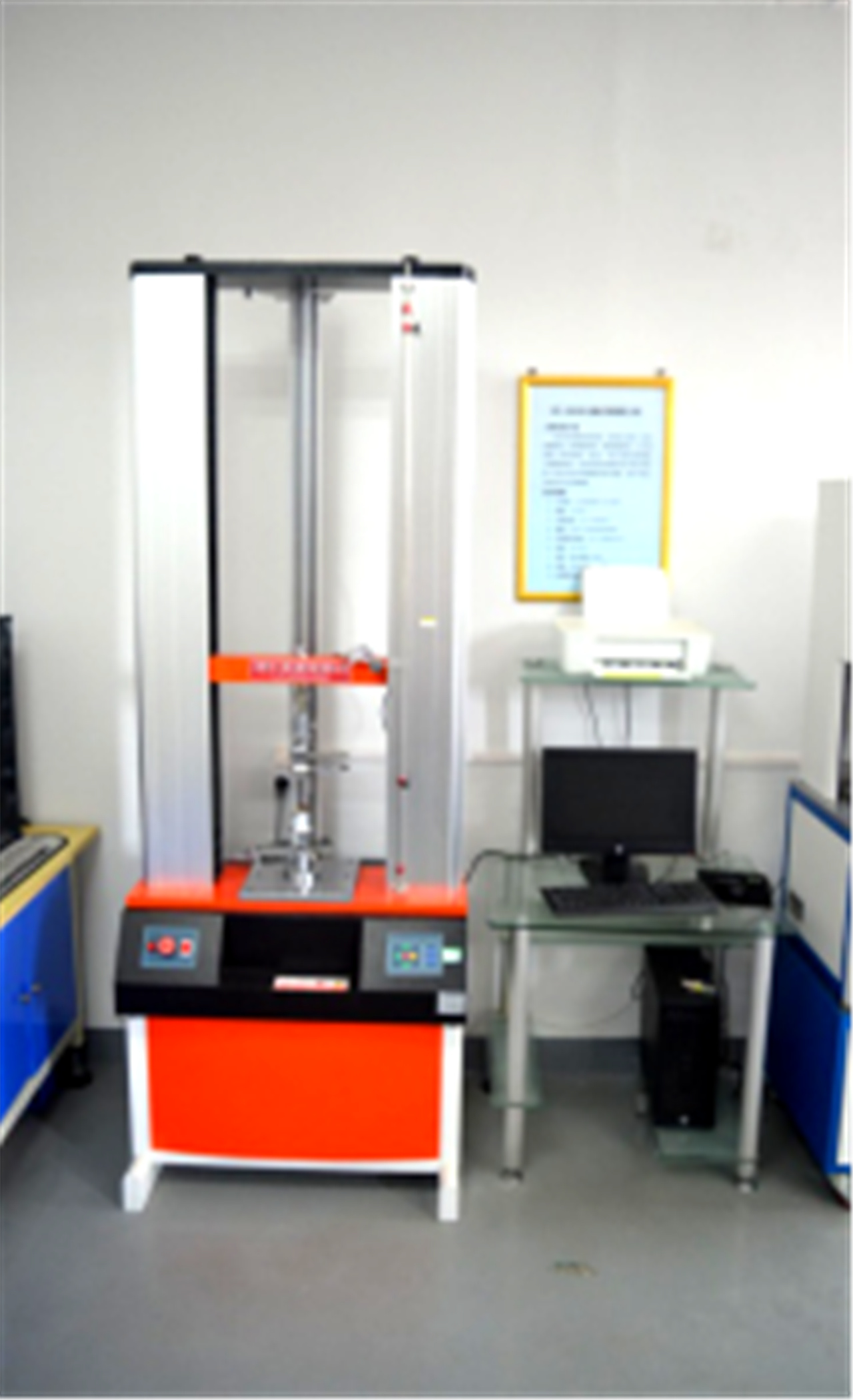
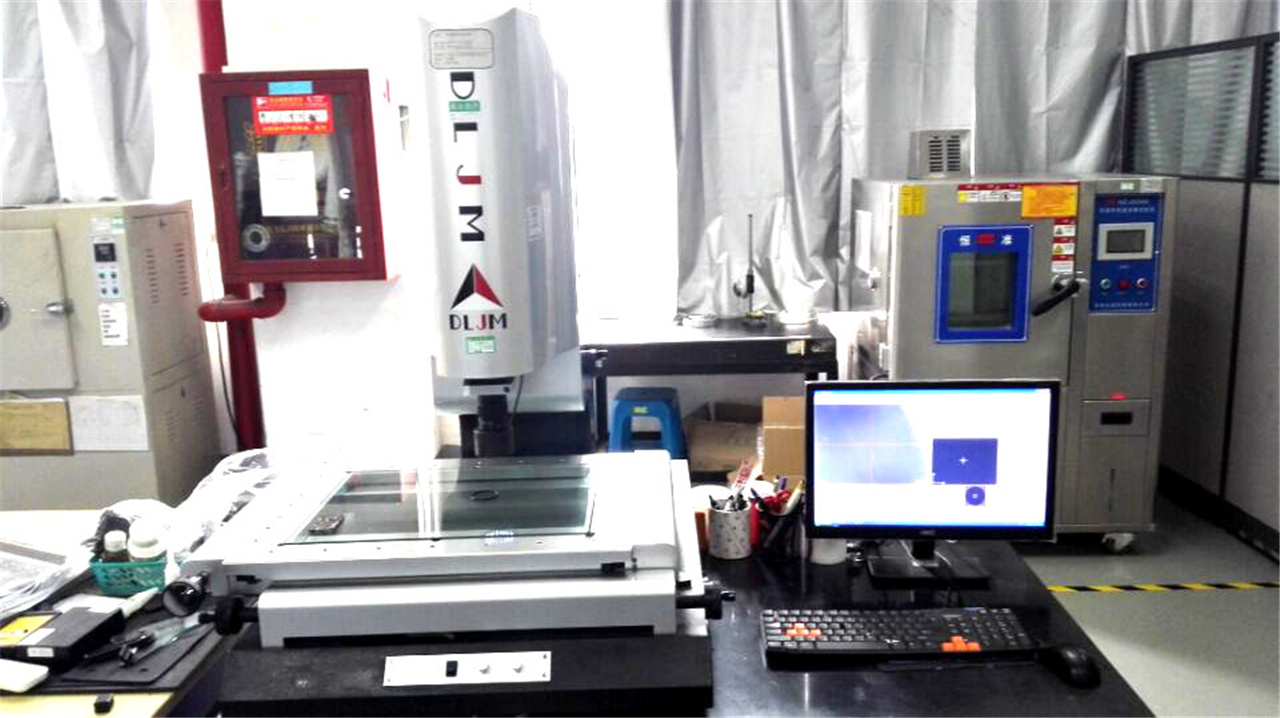
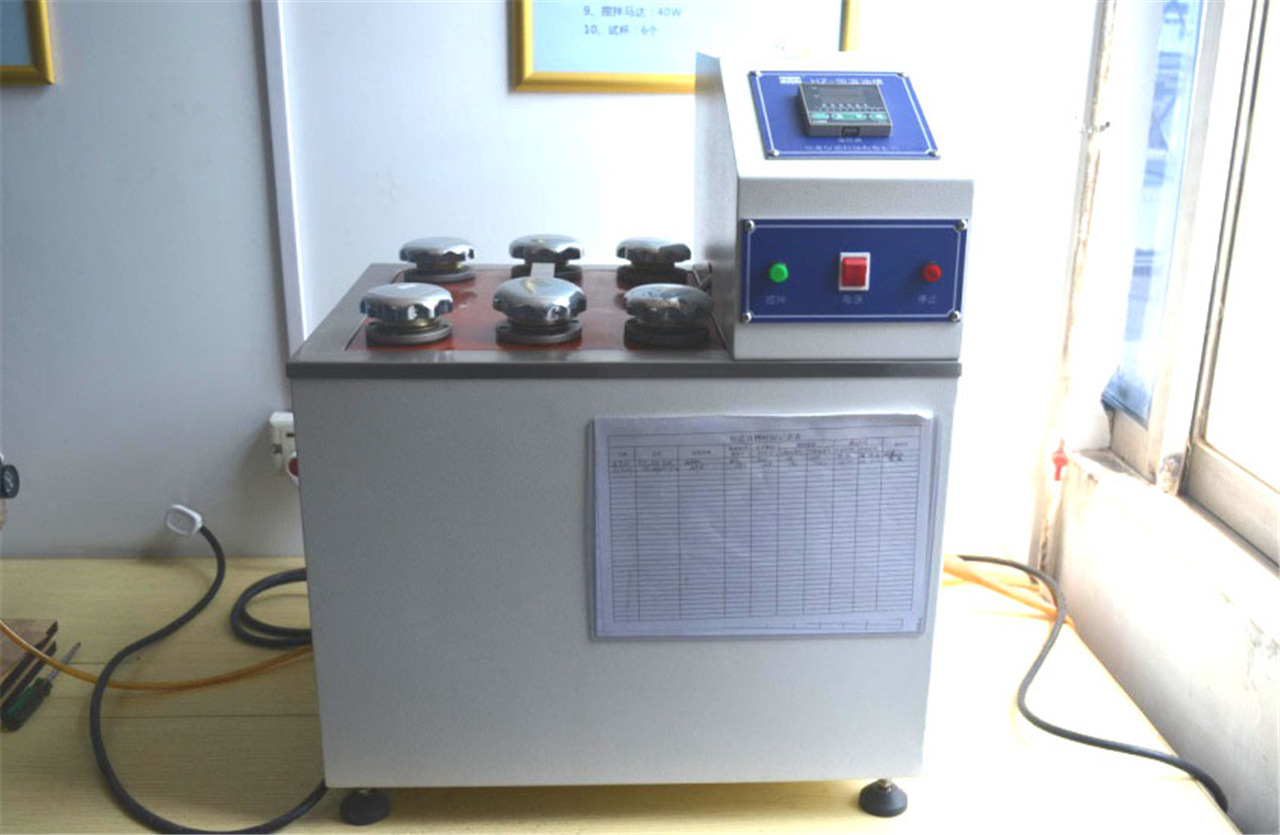
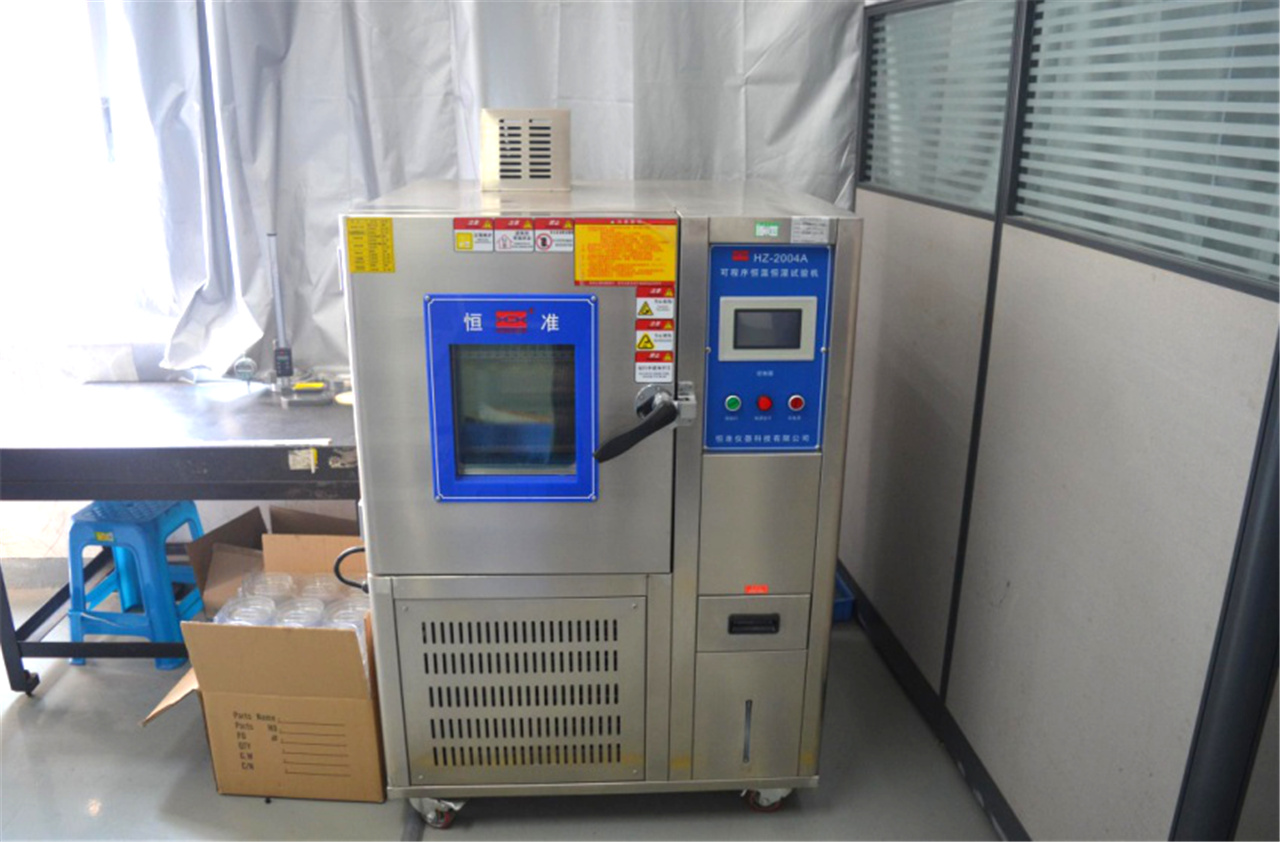
Every batch goes through aging tests, tensile strength checks, and hardness validation using Shore A scales. For custom automotive orders, we perform compression set resistance tests under cyclic loading to simulate years of door operations.
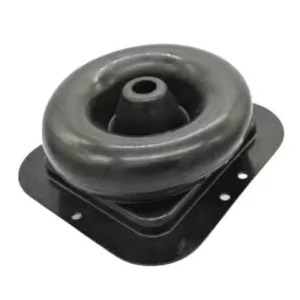
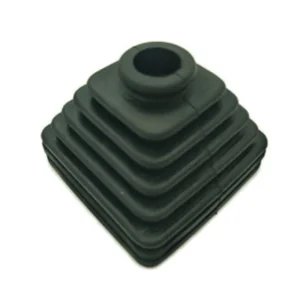
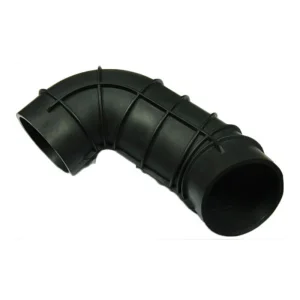
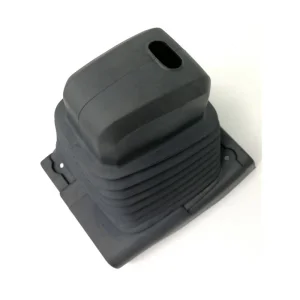
Browse our extensive selection of industrial boots, molded hoses, and specialty rubber assemblies designed for global distribution.
 101 Rubber