Analyzing NVH suppression, material evolution, and supply chain dynamics in modern automotive sealing systems.
Automotive door weather stripping has transcended its traditional role as a simple barrier against rainwater. In today's highly competitive automotive sector—especially with the rapid rise of Electric Vehicles (EVs)—weather stripping has become a critical component for NVH (Noise, Vibration, and Harshness) suppression, thermodynamic efficiency, and cabin pressure management.
As engines become quieter or disappear entirely, high-frequency wind noise and tire vibration become more pronounced inside the vehicle. The door weather seal acts as the primary defense system, requiring precise cross-sectional geometry, optimized compression-load deflection (CLD), and advanced compound elasticity to seal complex frame interfaces effectively.
Suppliers globally must balance lightweighting demands with long-term weather resistance. With stringent standards like ASTM D2000, ISO 3917, and individual OEM specs (such as Tesla, Volvo, and CASE IH standards), manufacturers are transitioning from conventional EPDM compounds to engineered Liquid Silicone Rubbers (LSR) and High-Temperature Vulcanized (HTV) silicone elastomers to ensure performance over a vehicle's full lifecycle.
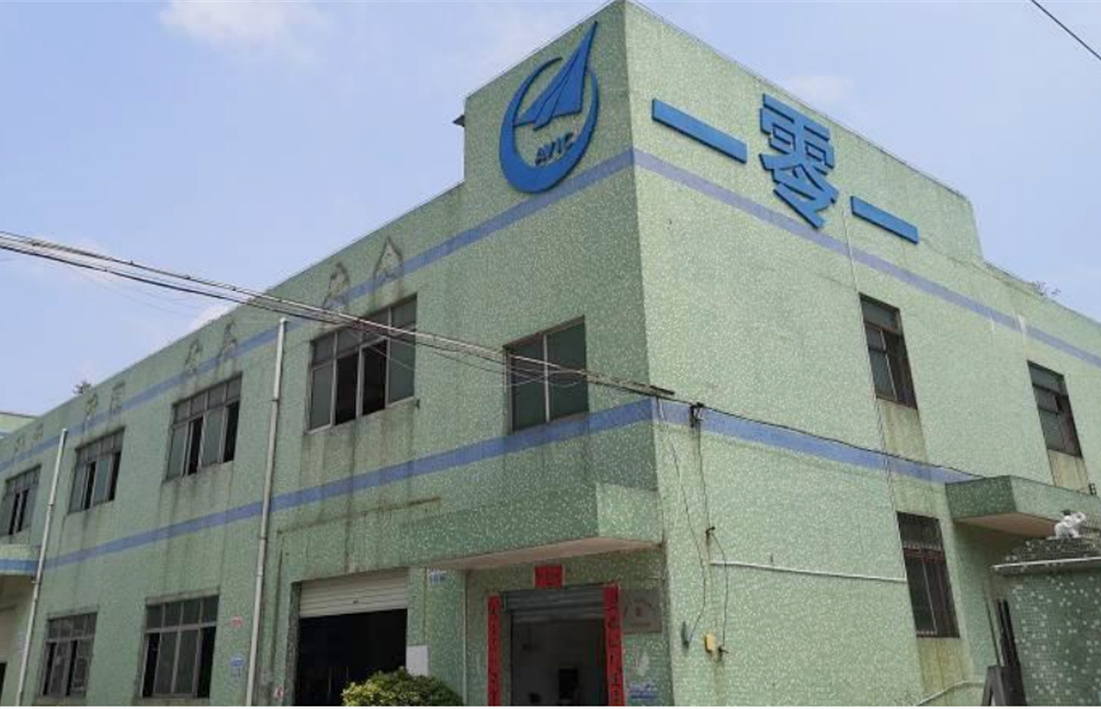
Shenzhen 101 Electronic Technology Co., Ltd. Advanced Manufacturing Base
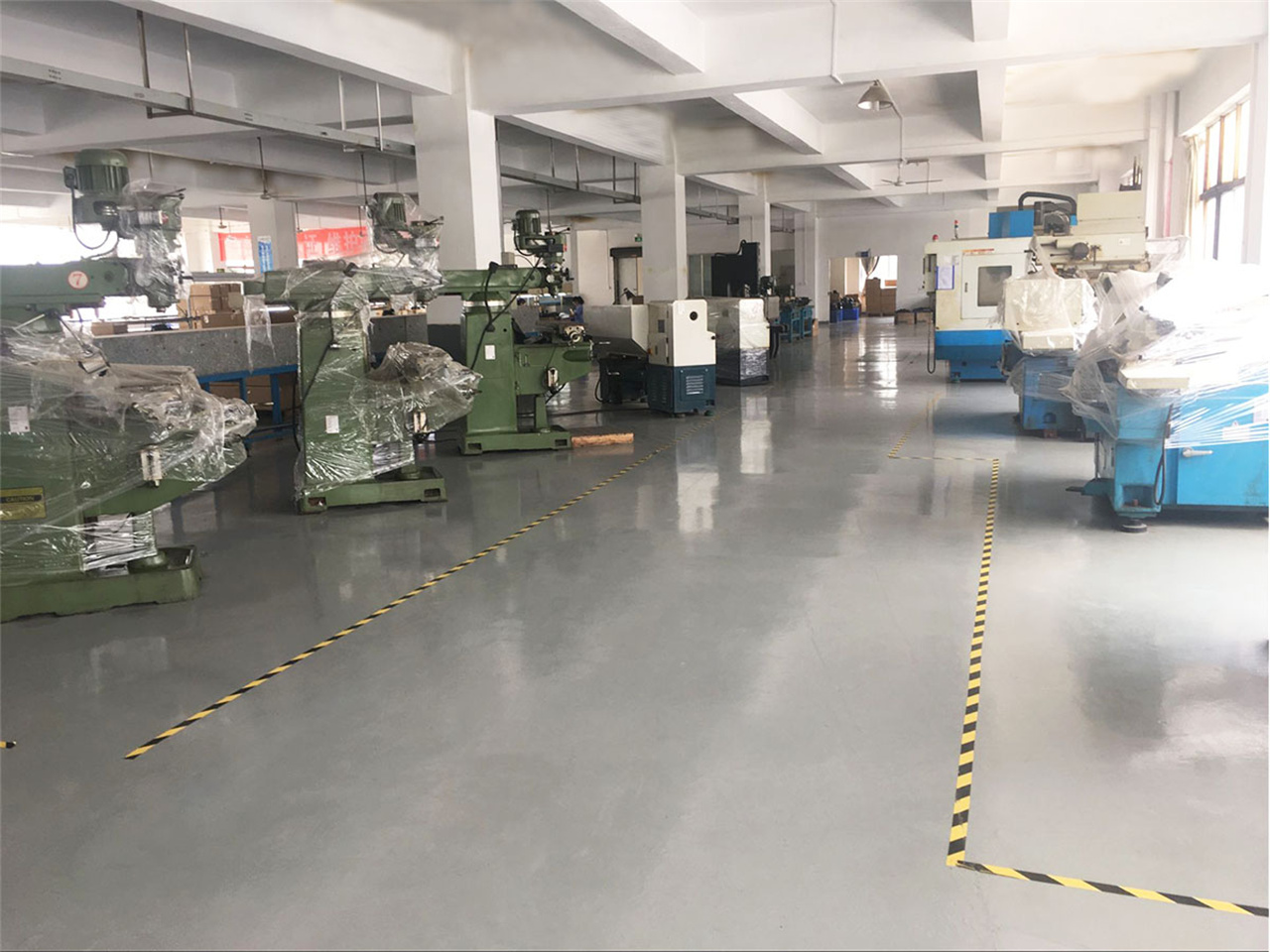
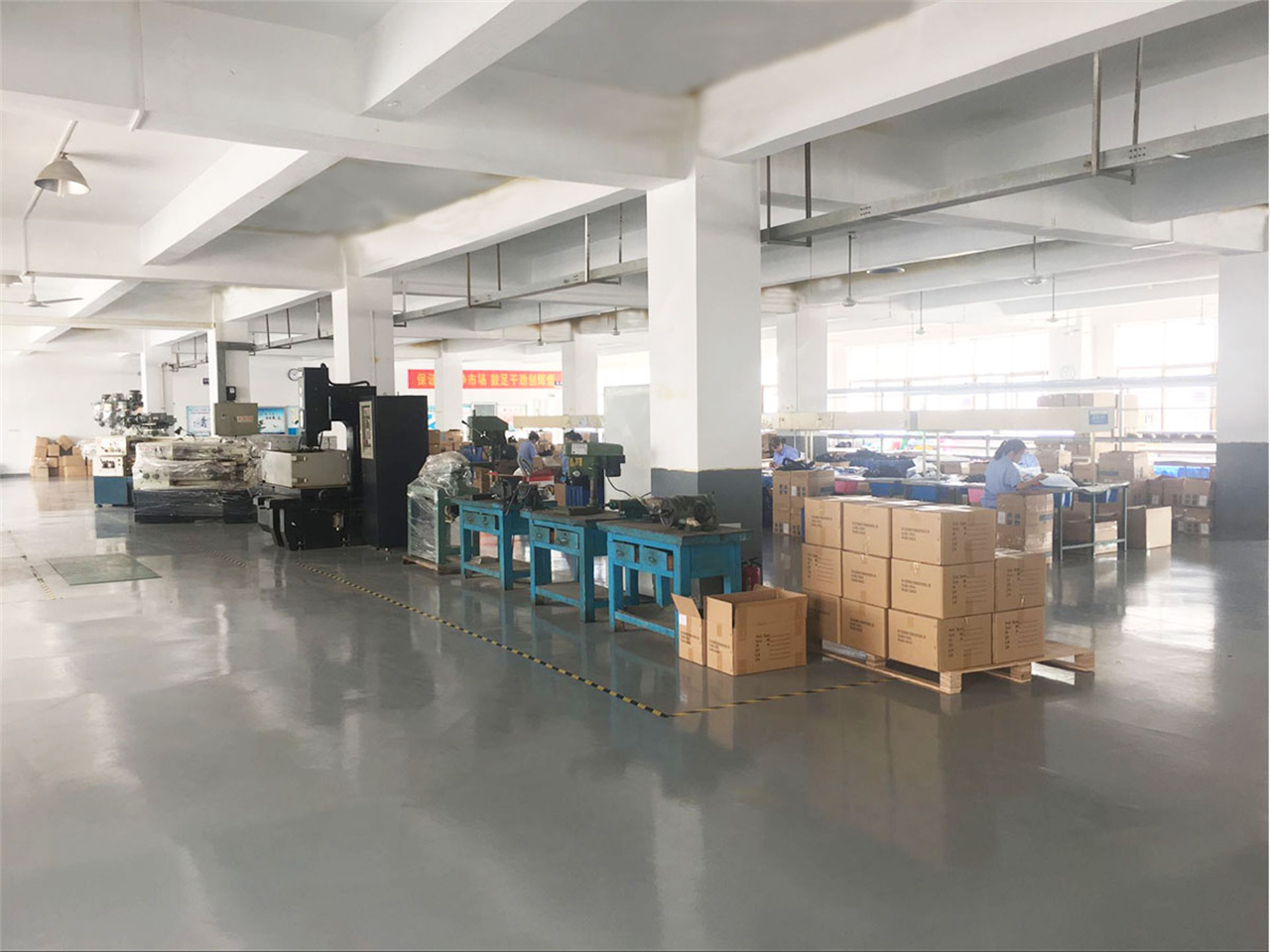
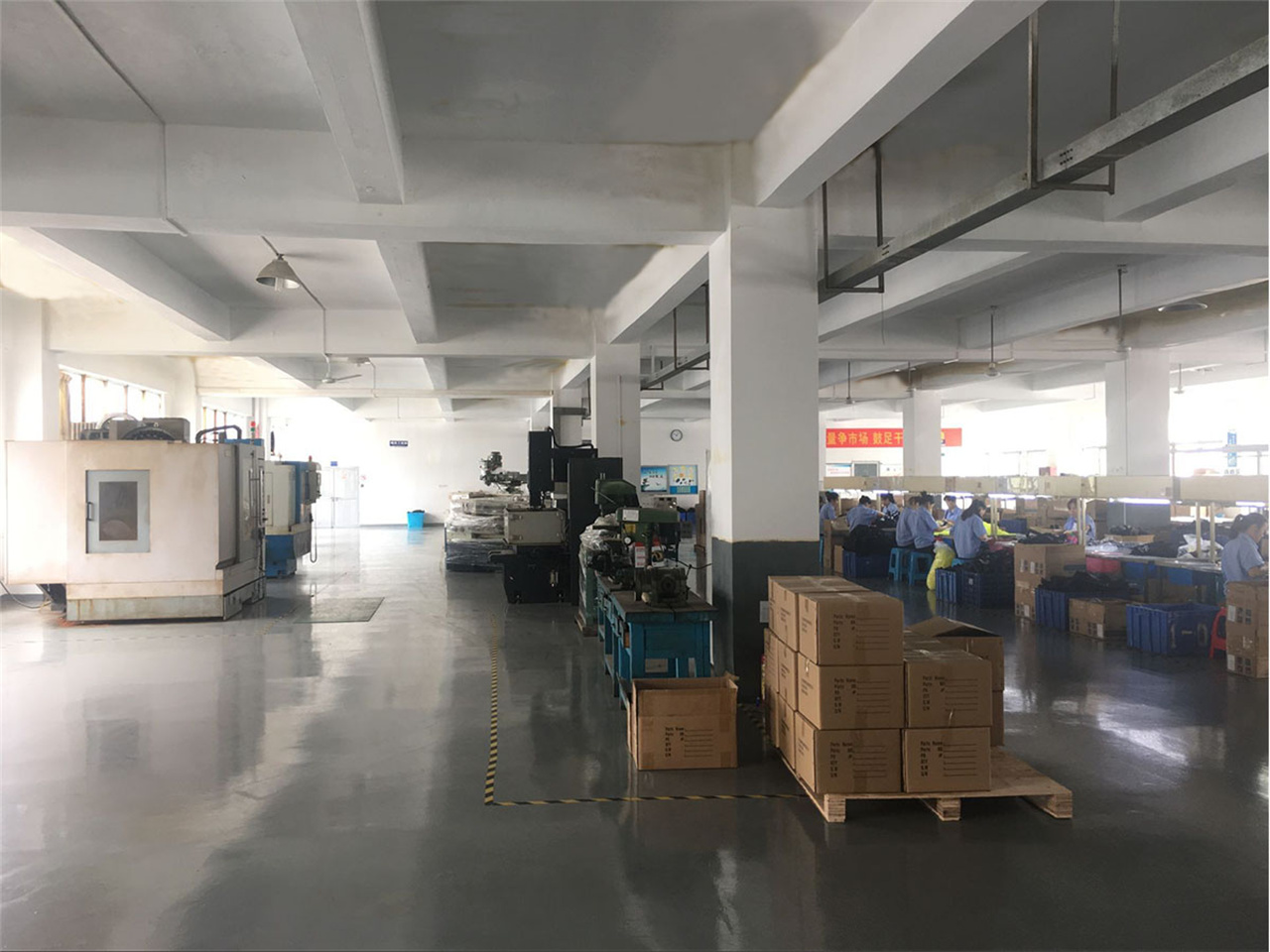
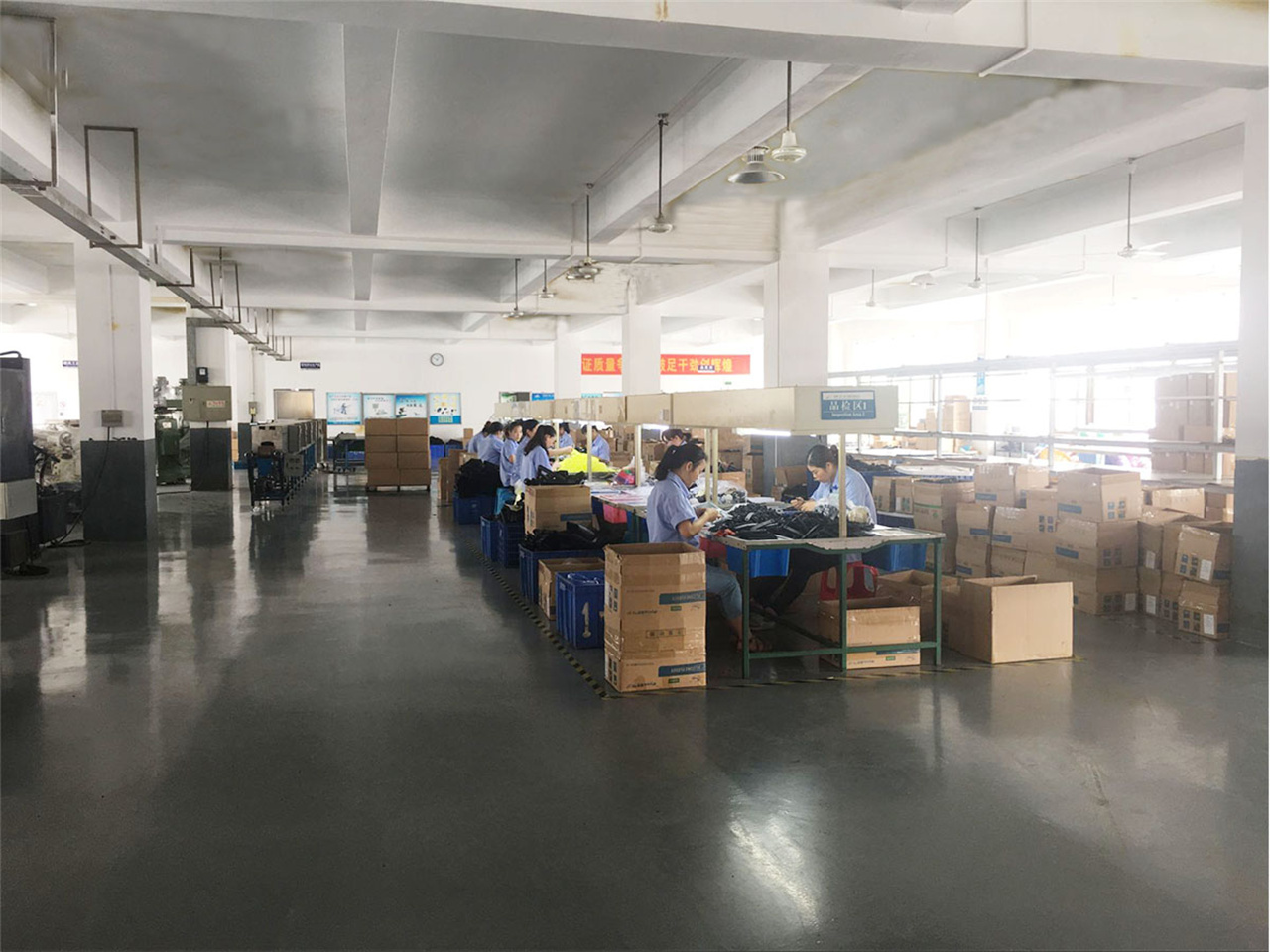
With 17 years of dedicated expertise, Shenzhen 101 Electronic Technology Co., Ltd. is a leading manufacturer of precision silicone components, serving as a trusted partner for industries that demand high-performance sealing and structural solutions. Established in 2007 and certified to both ISO 9001 and IATF 16949 standards, our company operates from an 8,000㎡ state-of-the-art facility equipped with advanced production lines, cleanrooms, and stringent quality inspection stations—all designed to ensure consistent quality across every silicone component we produce.
We specialize in integrating innovations in material science with precision molding technologies to deliver critical silicone rubber parts that enhance the reliability of products across the automotive, consumer electronics, medical devices, and industrial equipment sectors.
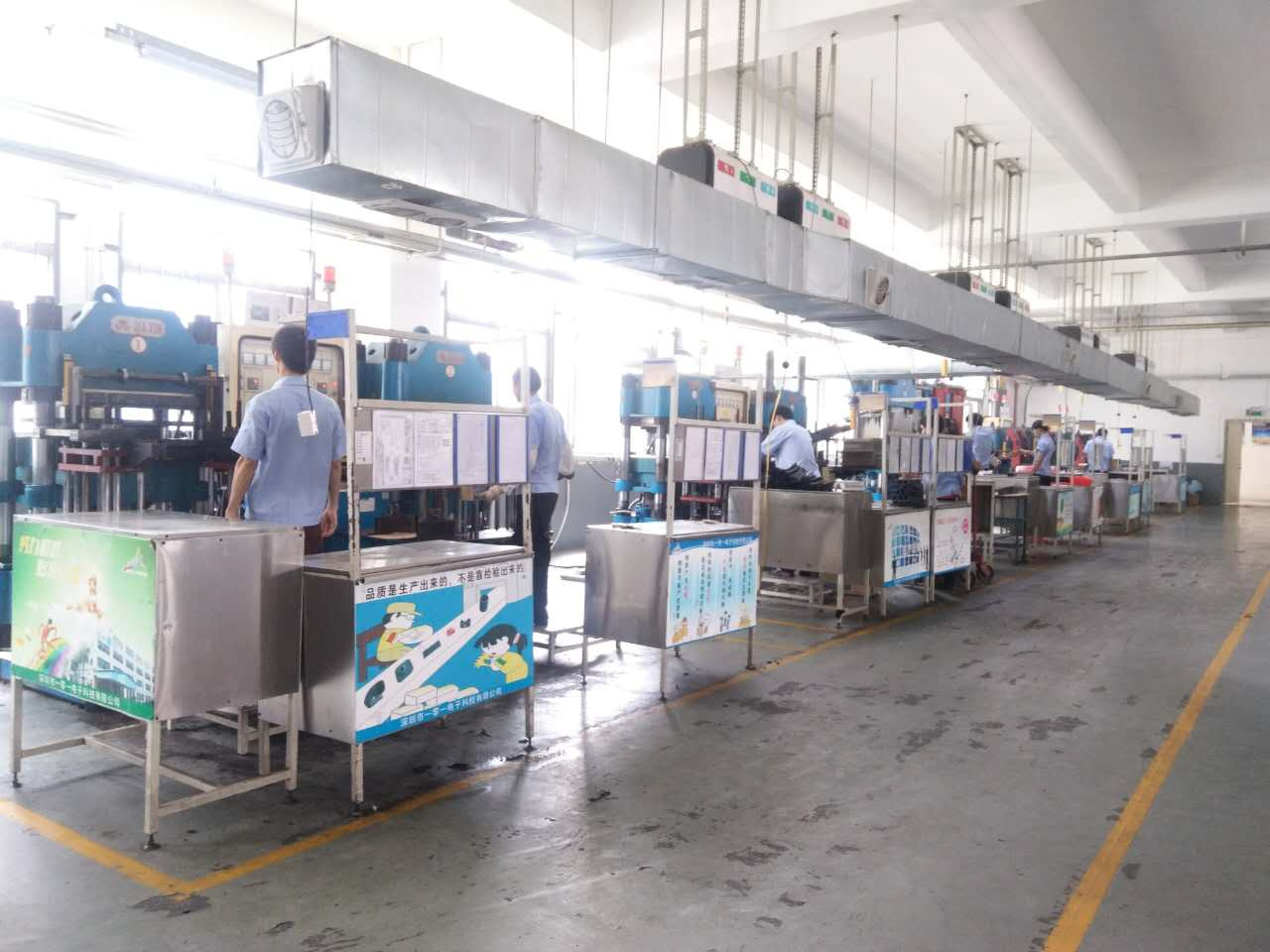
Our production infrastructure is designed to meet complex silicone manufacturing demands through a combination of heavy-tonnage molding systems and intelligent automation.
We operate a comprehensive range of compression presses (250T to 600T) for large-format silicone parts, as well as injection molding machines (350T to 550T) capable of processing both Liquid Silicone Rubber (LSR) and High-Temperature Vulcanized (HTV) silicone.
Each machine is equipped with automated demolding systems to ensure dimensional stability within ±0.15mm—essential for applications where precision is critical to product safety and performance.
With over 40 proprietary silicone formulations, we meet diverse functional requirements including conductive silicone (10³–10⁸ Ω·cm) for electromagnetic shielding, food-grade silicone (FDA compliant), and flame-retardant silicone (UL94 V-0 rated). Our materials perform reliably across an extreme temperature range of -60°C to 300°C.
Understanding compression set resistance, micro-cellular structures, and vehicle NVH optimization protocols.
Historically, EPDM (Ethylene Propylene Diene Monomer) has been the dominant polymer for passenger vehicle doors. However, high-end automotive brands and electric vehicle OEMs are shifting toward specialized HTV and LSR silicone formulations due to their exceptional compression set resistance under extreme temperatures.
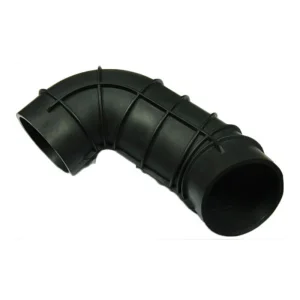
While EPDM hardens, loses flexibility, and micro-cracks over 5-7 years of UV exposure, silicone elastomers maintain their elasticity from -60°C up to 300°C. This makes silicone weatherstripping critical for doors, hoods, trunks, and under-hood components such as Volvo bunk unit wall ducts, and air intake systems.
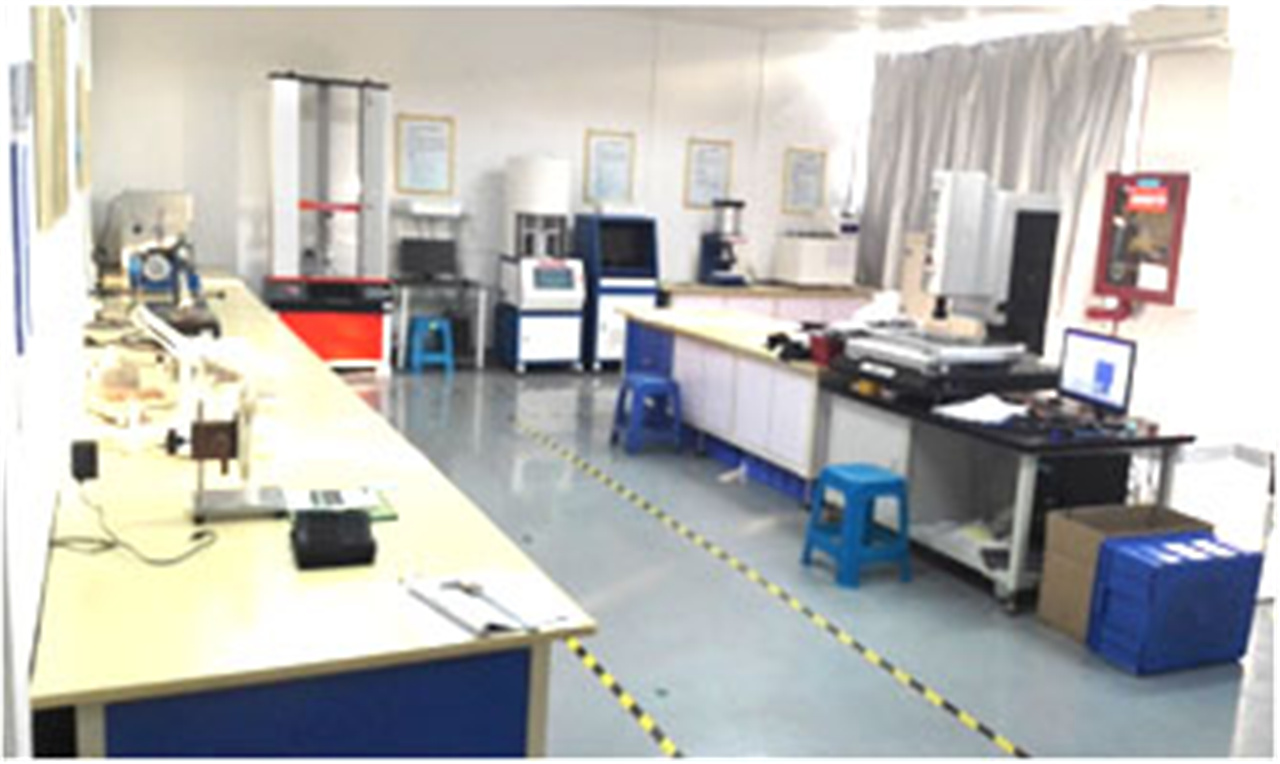
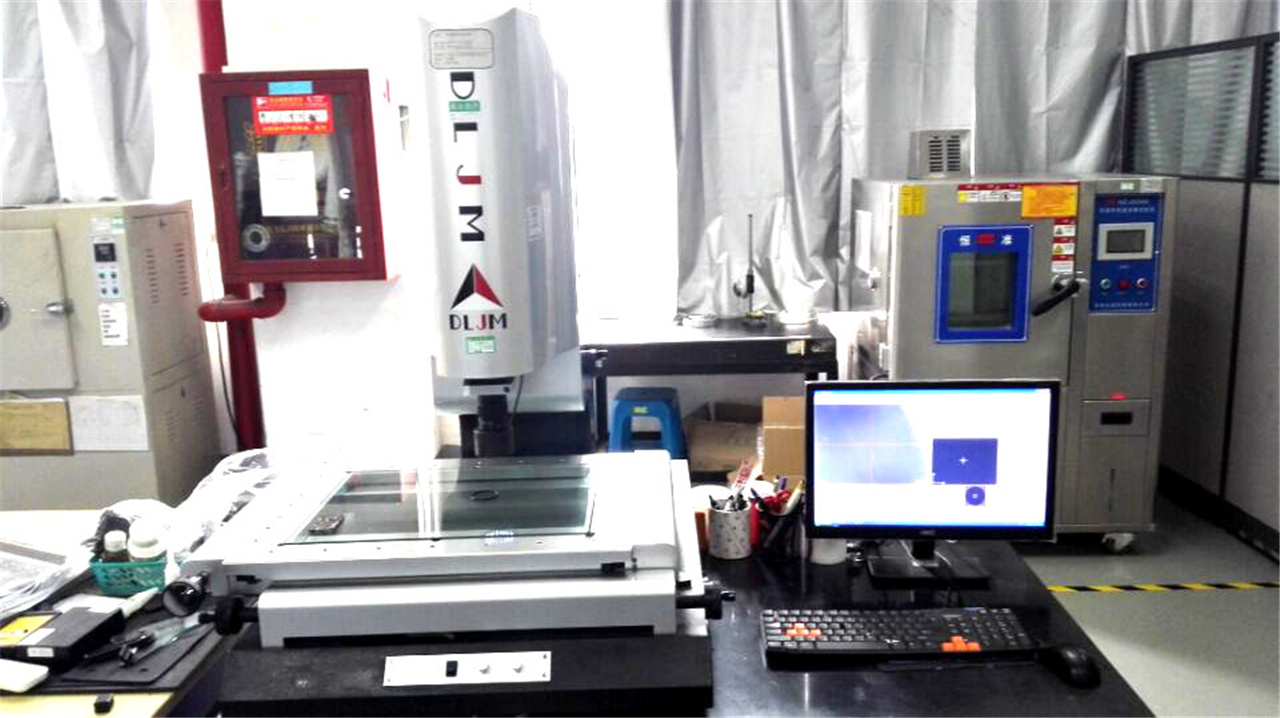
In addition to maintaining certifications including IATF 16949 for automotive process control, ISO 9001 for quality management, and RoHS/REACH compliance for environmental safety, we emphasize collaborative partnerships. Our engineering team works closely with clients to develop custom silicone solutions—from material selection and prototype validation to mass production—ensuring that every component meets precise design requirements and complies with industry regulations. This ongoing dedication to quality and customization has enabled long-term collaborations with leading global brands, reinforcing our reputation as a trusted silicone manufacturer in the international supply chain.
From high-speed electric sedans to heavy-duty off-road agriculture, our seals perform in the harshest environments on Earth.
Modern EVs demand low-drag coefficients. Our custom door seals are designed to lay flush with the bodywork, minimizing turbulence. Formulations also shield electromagnetic interference (EMI) around battery compartments and infotainment units.
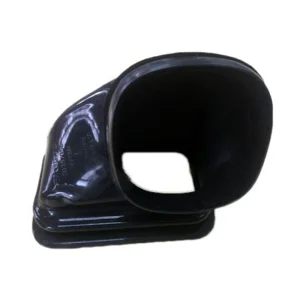
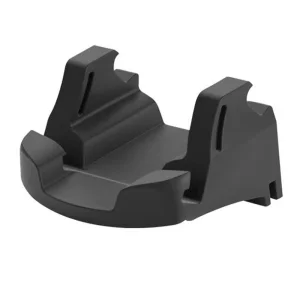
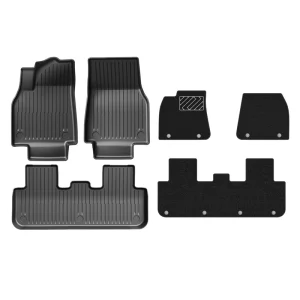
Key Products: Tesla Model 3 & Y Floor Mats, Custom Juniper holders, Door seals.Long-haul truck drivers rely on comfortable cabin environments. Custom bunk-to-wall duct seals and engine compartment gaskets absorb extreme vibration and reduce high-decibel engine noise over millions of miles.
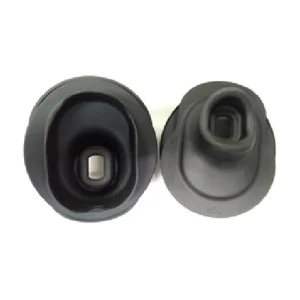
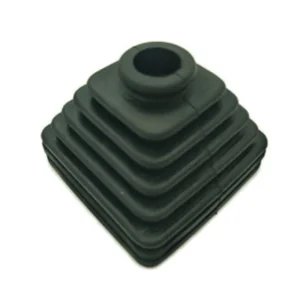
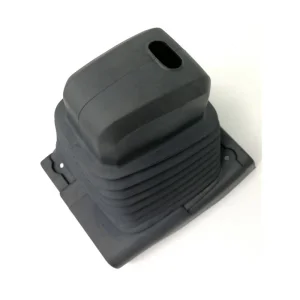
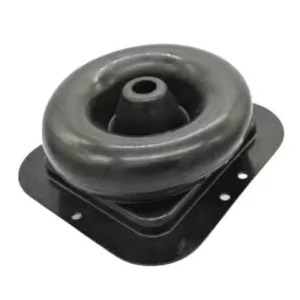
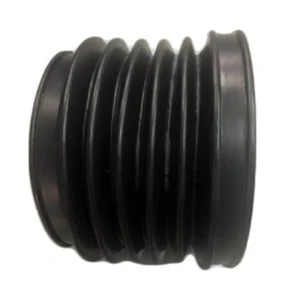
Key Products: Volvo Truck 20357058 Duct, Exhaust Flexible Bellows.Harsh agricultural conditions expose equipment to abrasive dust, chemicals, and extreme sunlight. Molded bellows and heavy-duty shaft boots protect internal hydraulic control links and pedal assemblies.
Key Products: CASE IH Bellows, Husqvarna Left Hand Drive Lever Bellows.
Direct answers from our engineering team regarding materials, manufacturing limits, and logistics.
 101 Rubber