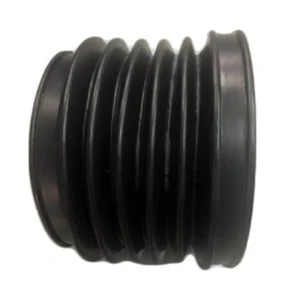
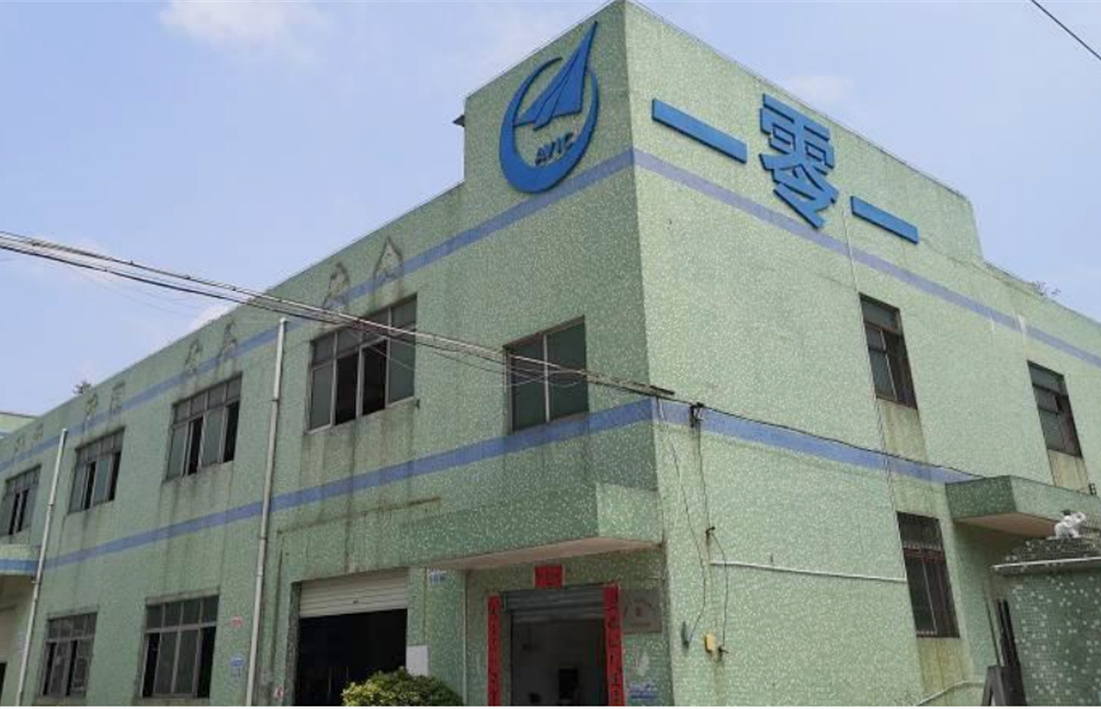
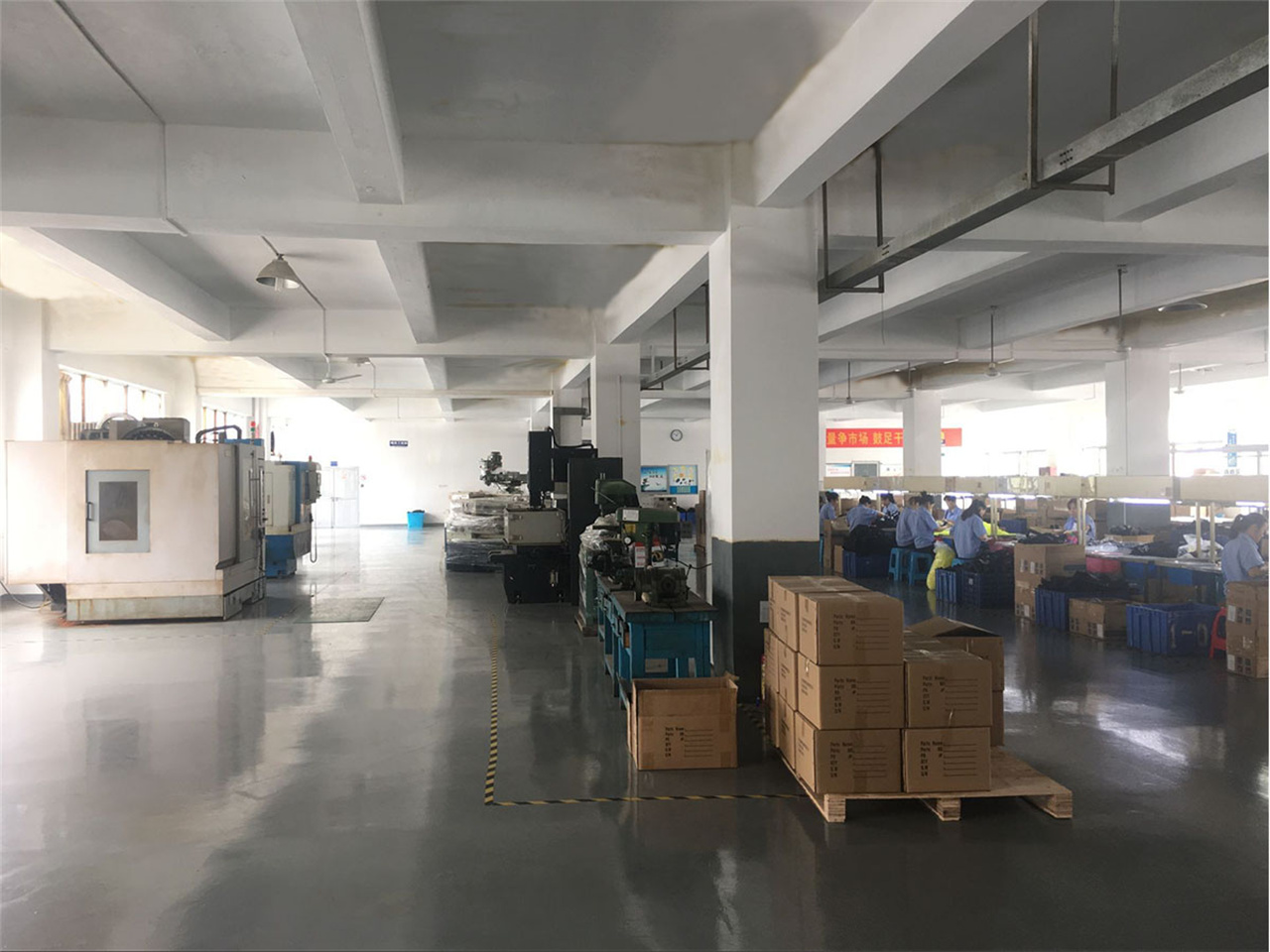
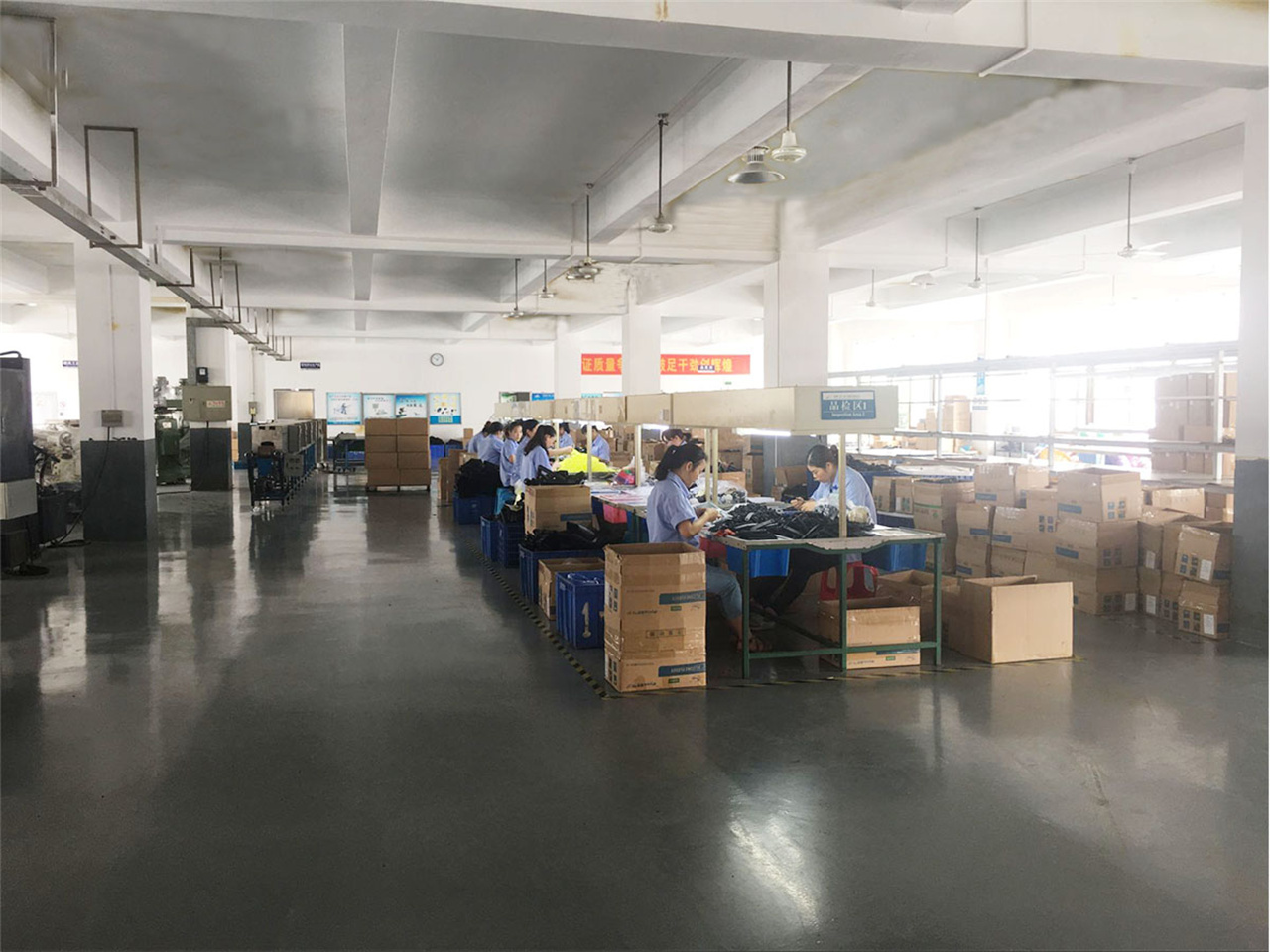
With 17 years of dedicated expertise, Shenzhen 101 Electronic Technology Co., Ltd. is a leading manufacturer of precision silicone components, serving as a trusted partner for industries that demand high-performance sealing and structural solutions. Established in 2007 and certified to both ISO 9001 and IATF 16949 standards, our company operates from an 8,000㎡ state-of-the-art facility equipped with advanced production lines, cleanrooms, and stringent quality inspection stations.
We specialize in integrating innovations in material science with precision molding technologies to deliver critical silicone rubber parts that enhance the reliability of products across the automotive, consumer electronics, medical devices, and industrial equipment sectors.
The global OEM foam door seals market is undergoing a radical transformation driven by the transition to Electric Vehicles (EVs) and the demand for zero-leakage industrial environments. Unlike traditional solid rubber seals, modern foam door seals utilize micro-cellular structures—often based on EPDM or Silicone foam—to provide superior compression-set resistance while significantly reducing weight.
With no engine noise, wind and road noise become prominent. High-performance foam seals are critical for Noise, Vibration, and Harshness (NVH) dampening in the 2025 automotive era.
The industry is moving toward bio-based silicone and recyclable TPE foams to meet "Green Tier 1" supplier requirements for European and North American markets.
Manufacturers are now using AI-driven simulation to predict foam expansion rates within the mold, ensuring zero-defect production for complex geometries.
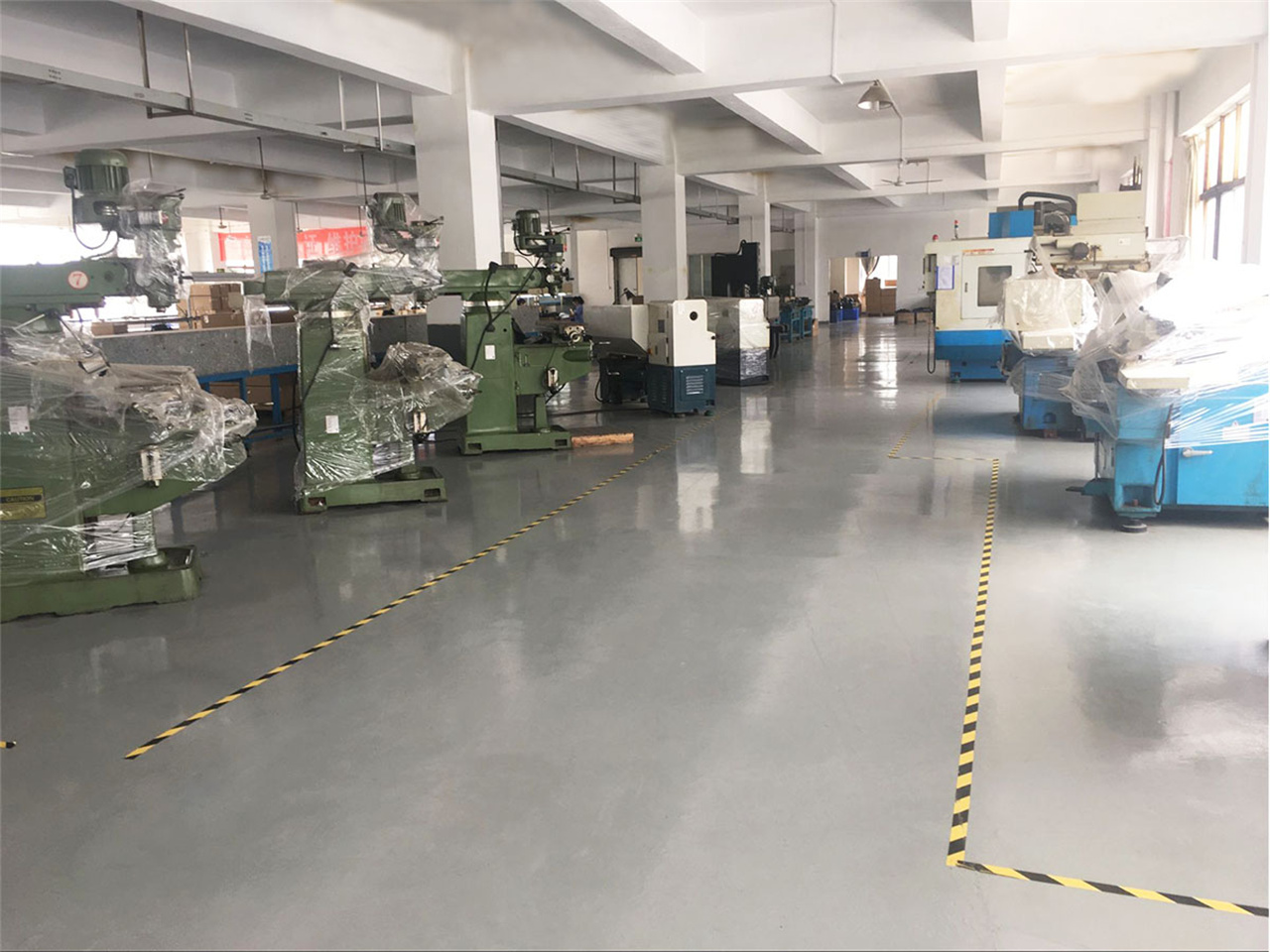
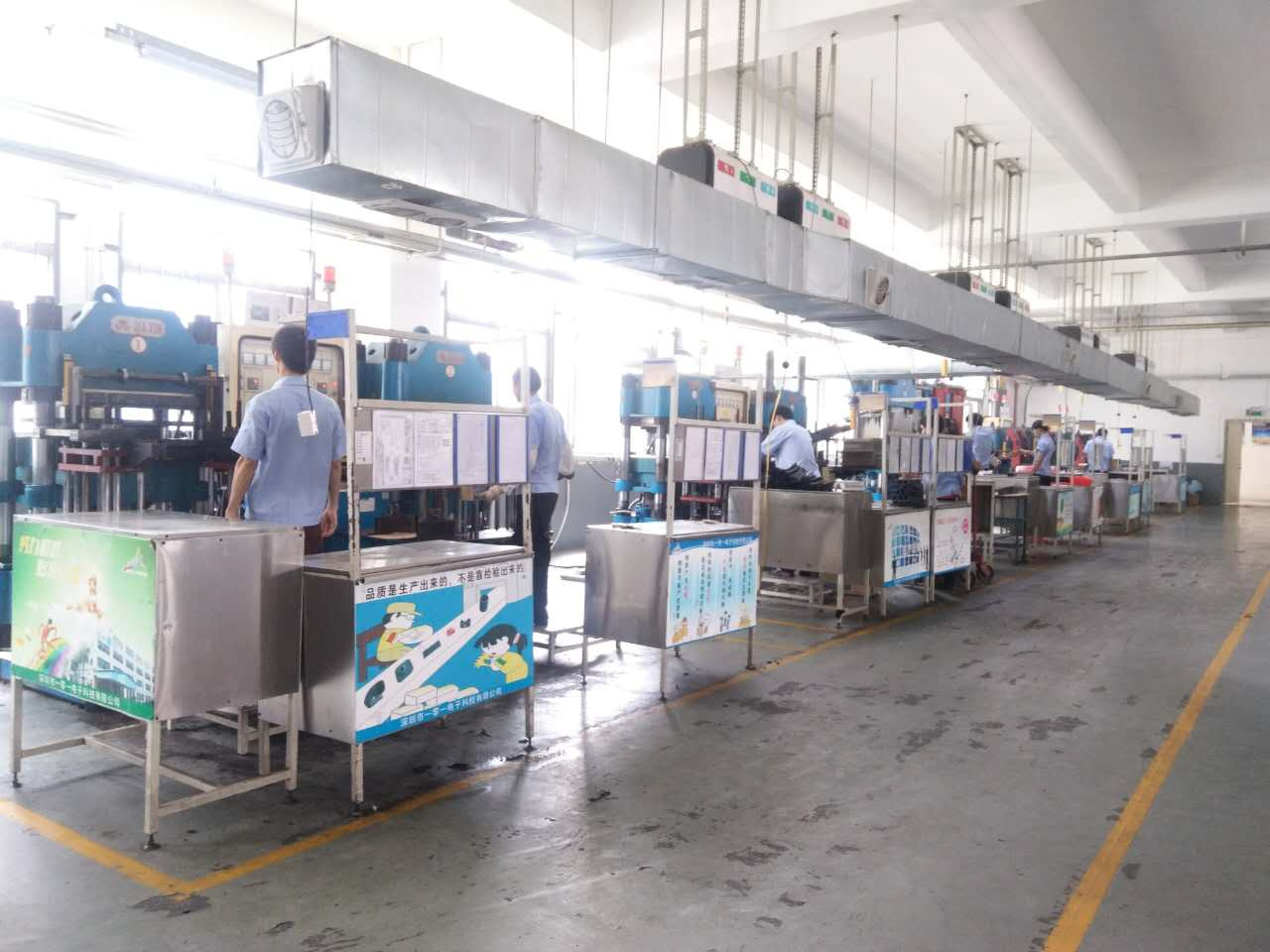
Our production infrastructure is designed to meet complex silicone and foam manufacturing demands through a combination of heavy-tonnage molding systems and intelligent automation.
Compression presses (250T to 600T) for large-format parts and injection machines (350T to 550T) for LSR and HTV silicone.
Automated demolding systems ensure stability within ±0.15mm—critical for airtight and watertight door sealing.
Formulations including conductive silicone (10³–10⁸ Ω·cm) and flame-retardant (UL94 V-0) materials.
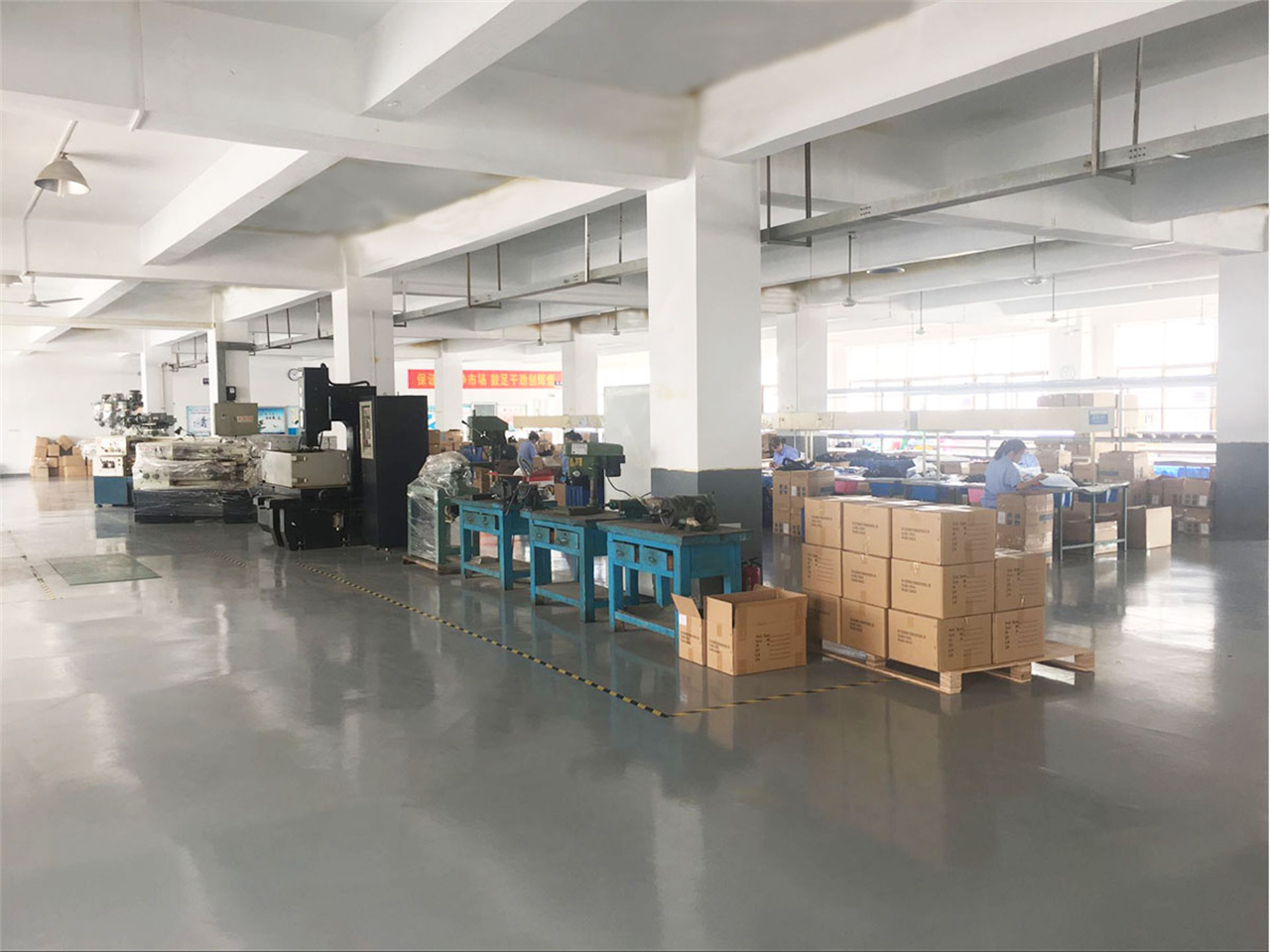
For global Tier 1 and Tier 2 suppliers, the procurement of Foam Door Seals is no longer just about price; it's about Total Cost of Ownership (TCO) and risk mitigation. Shenzhen 101 provides a macro-level solution that covers:
Integration of pressure sensors within foam seals to detect improper door closure in autonomous vehicles.
Applying anti-friction nano-layers to eliminate "squeak and rattle" without external lubricants.
Closed-loop recycling programs where old seals are re-processed into new industrial-grade gaskets.
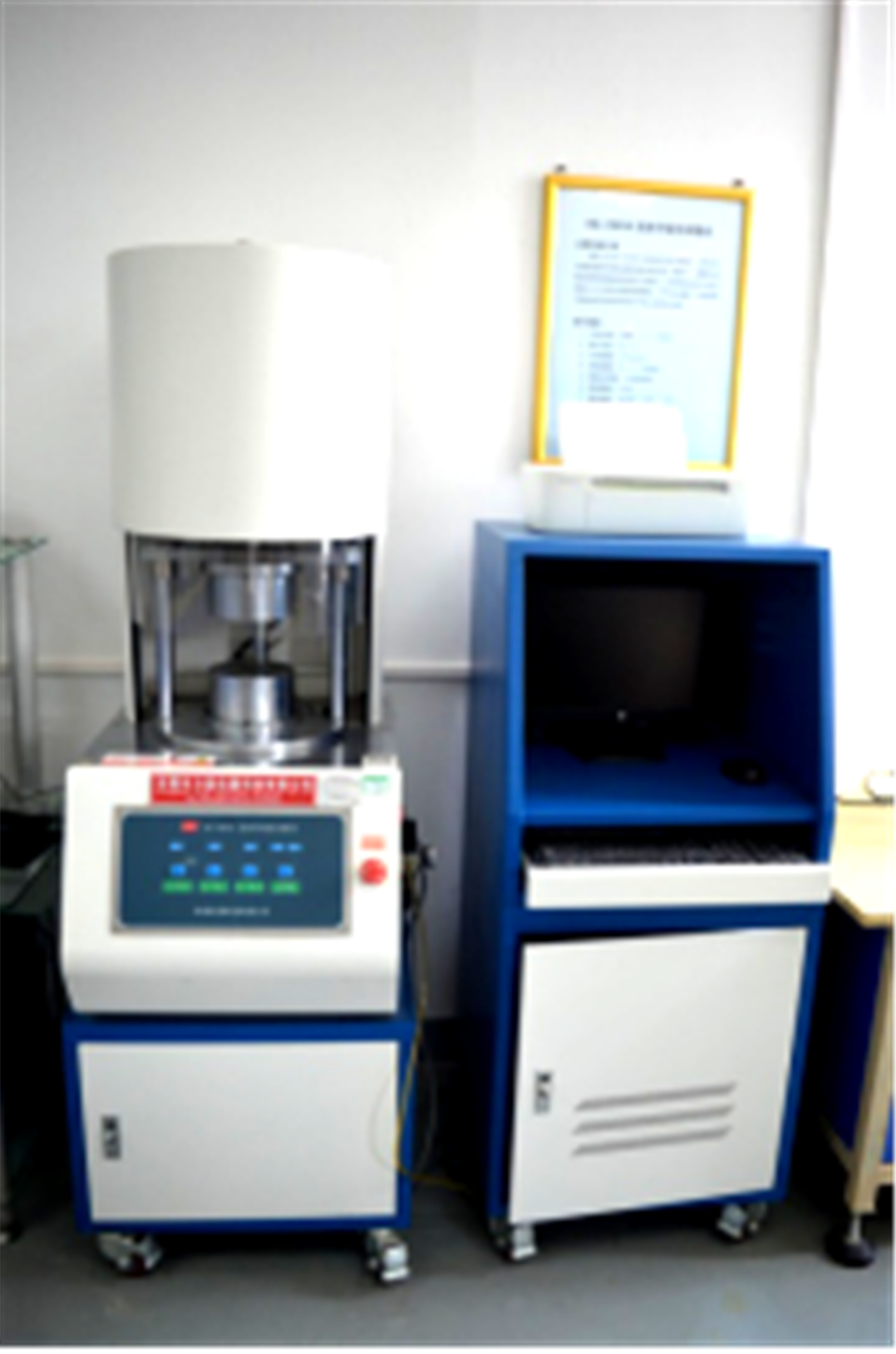
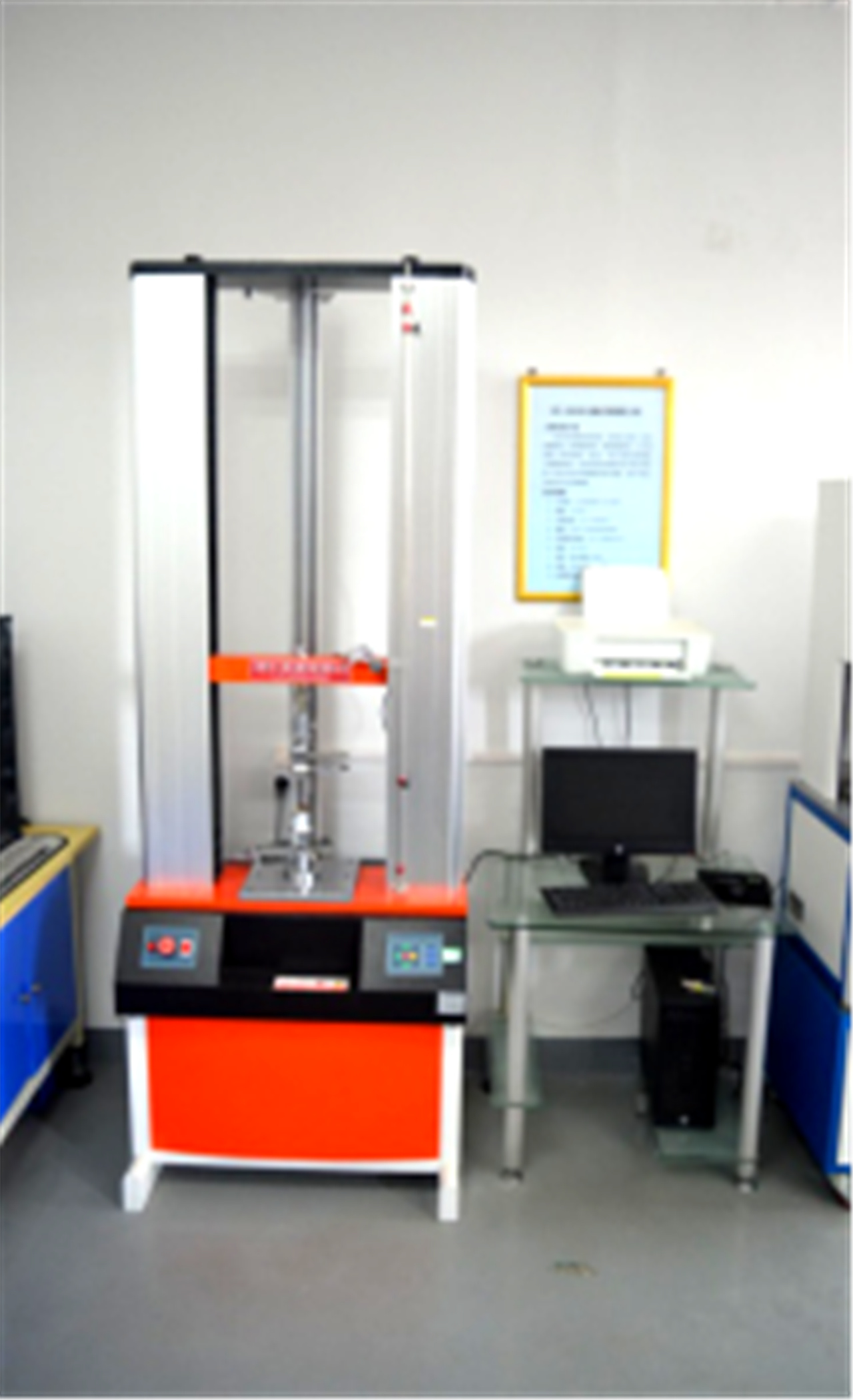
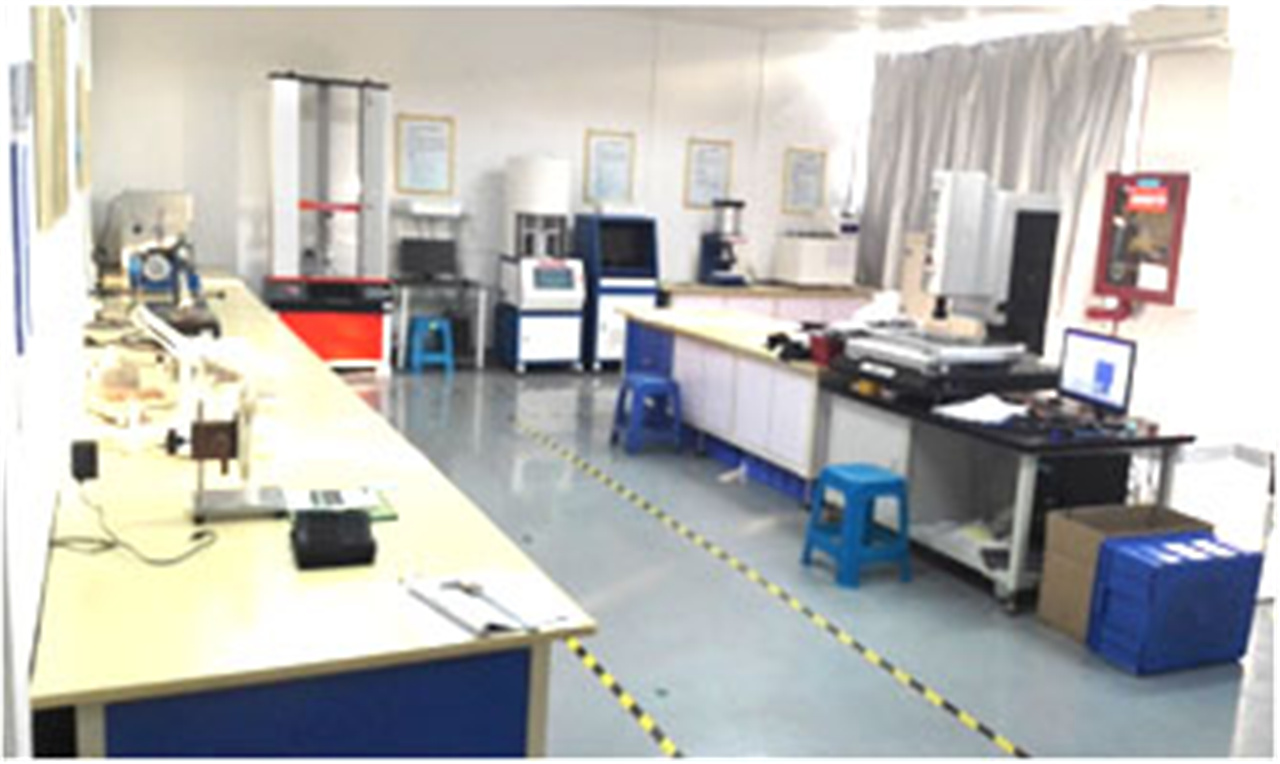
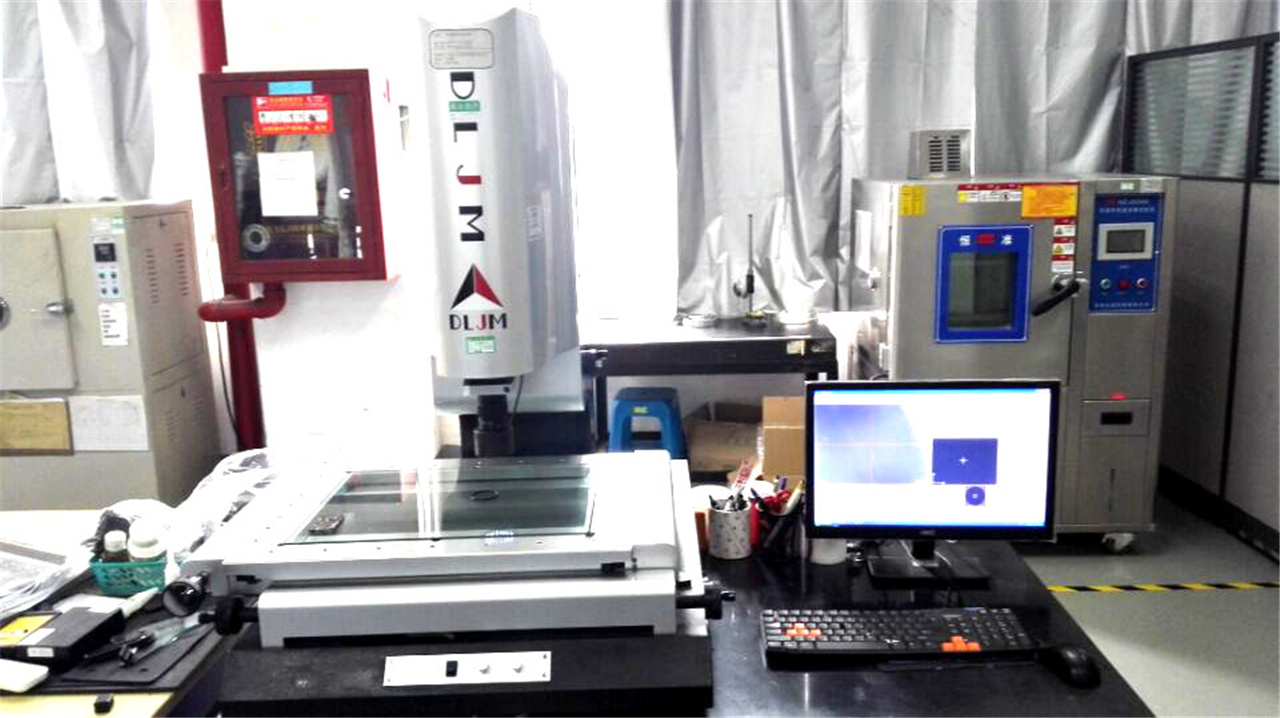
Our collaborative engineering team works closely with clients to develop custom silicone solutions—from material selection and prototype validation to mass production—ensuring that every component meets precise design requirements and complies with industry regulations. We maintain a full suite of testing for compression set, ozone resistance, and thermal aging (-60°C to 300°C).
 101 Rubber