Precision Silicone Components Manufacturer | Since 2007
With 17 years of dedicated expertise, Shenzhen 101 Electronic Technology Co., Ltd. is a leading manufacturer of precision silicone and advanced rubber components, serving as a trusted partner for industries that demand high-performance sealing and structural solutions.
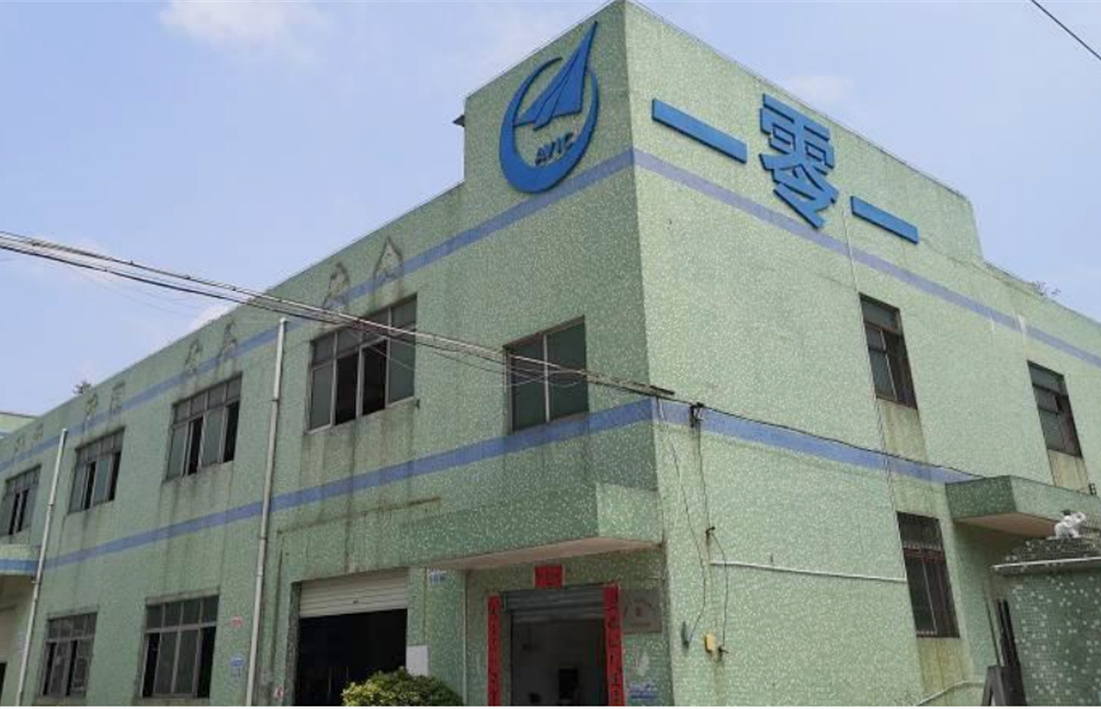
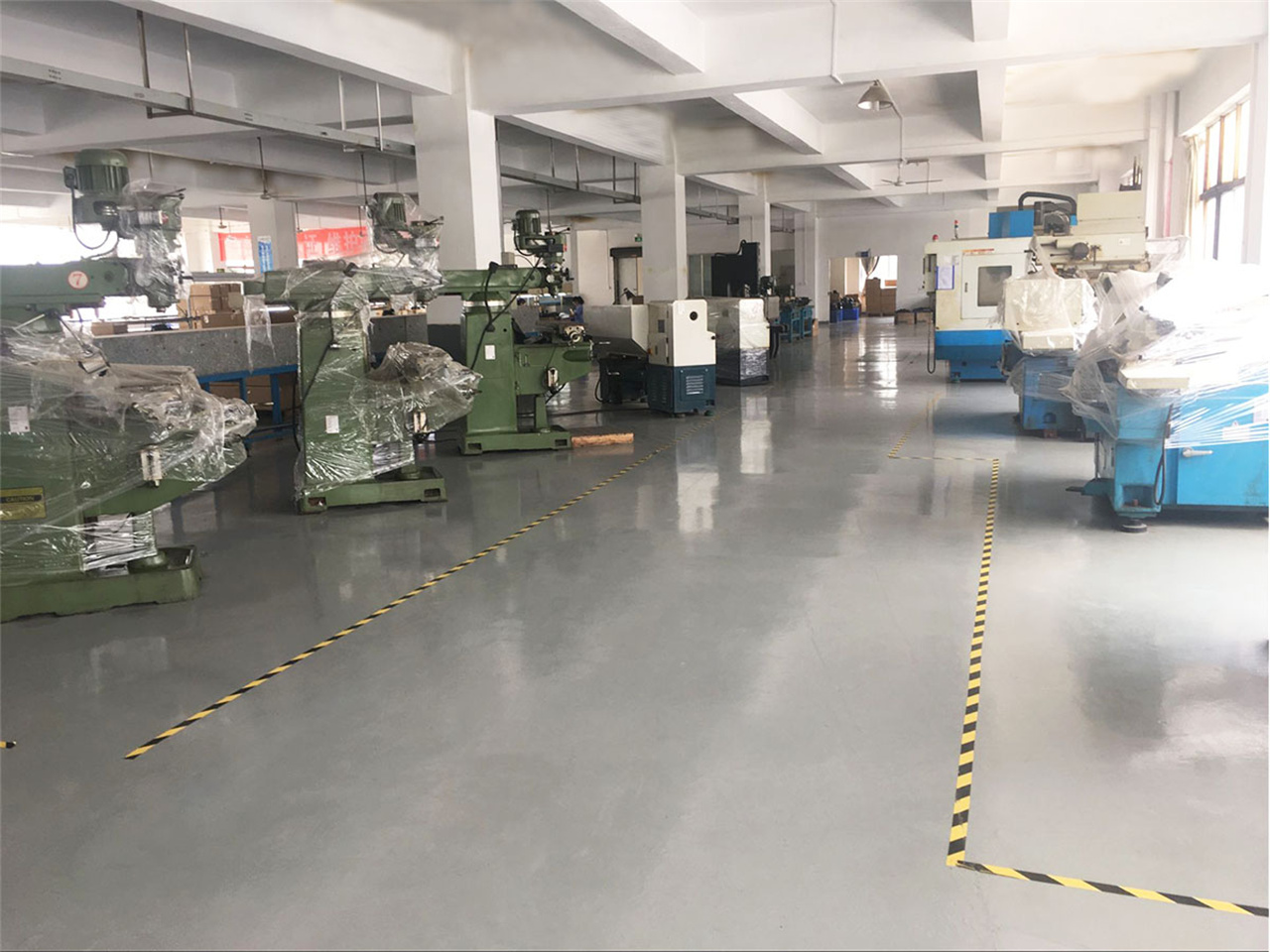
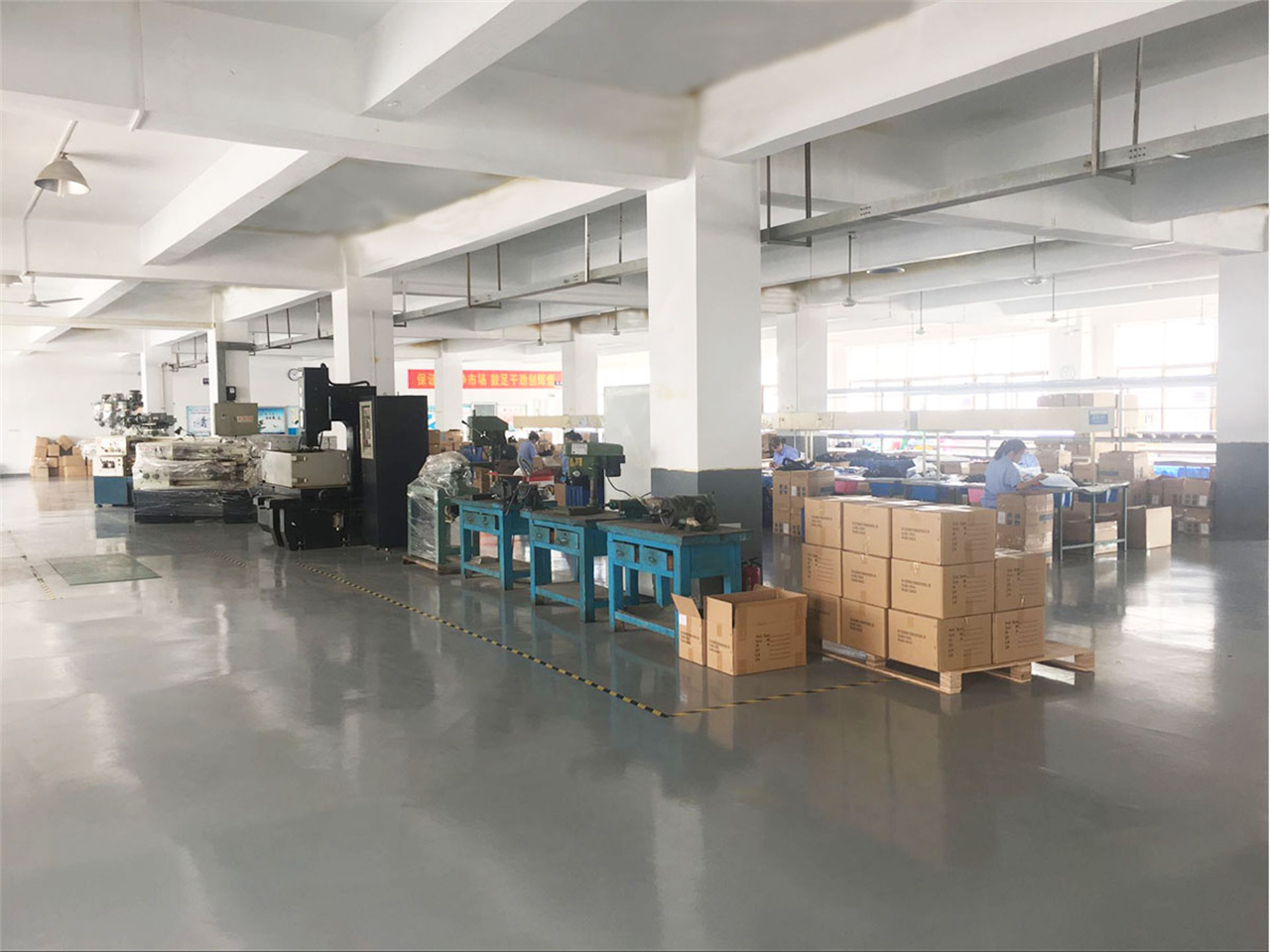
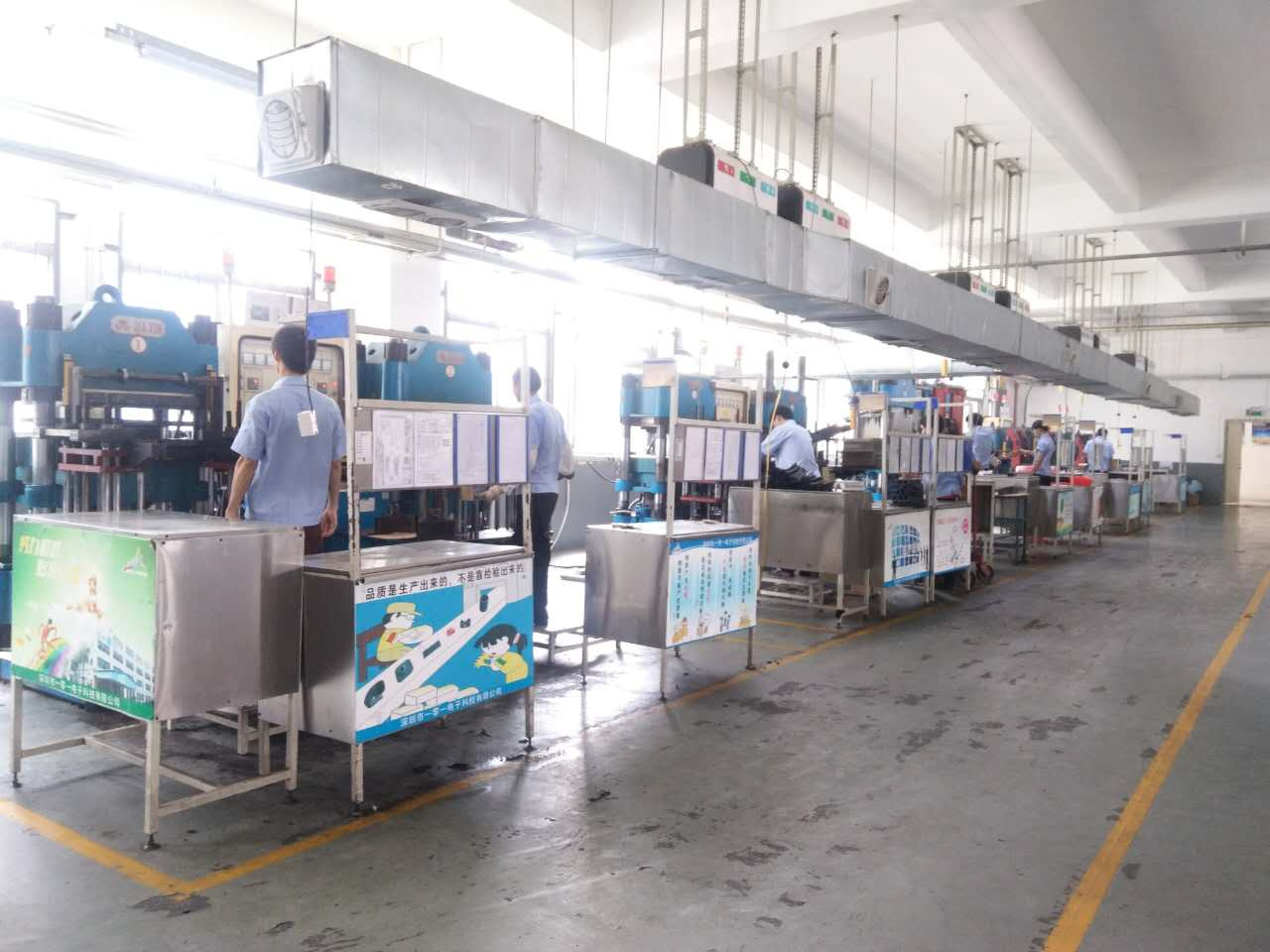
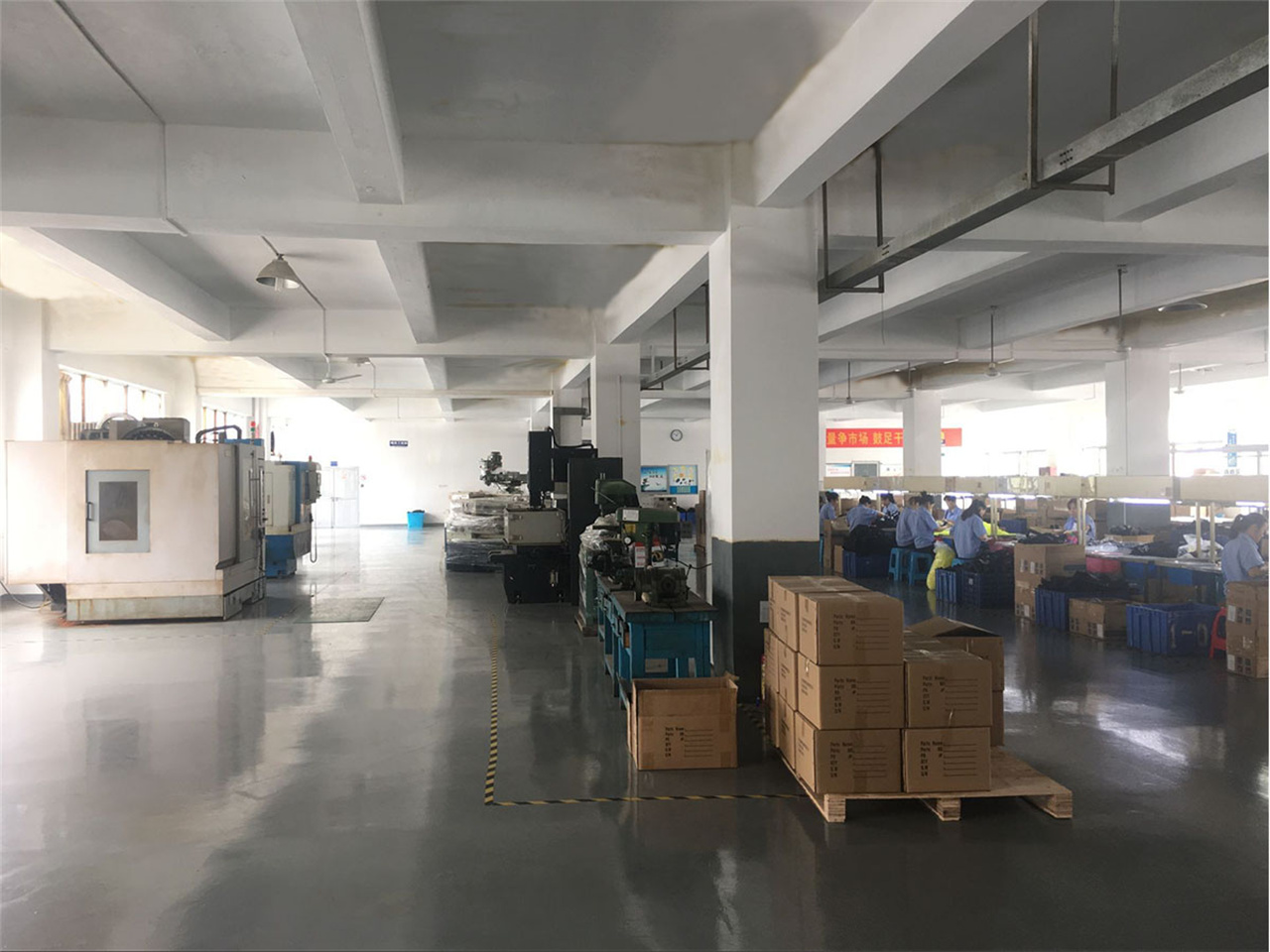
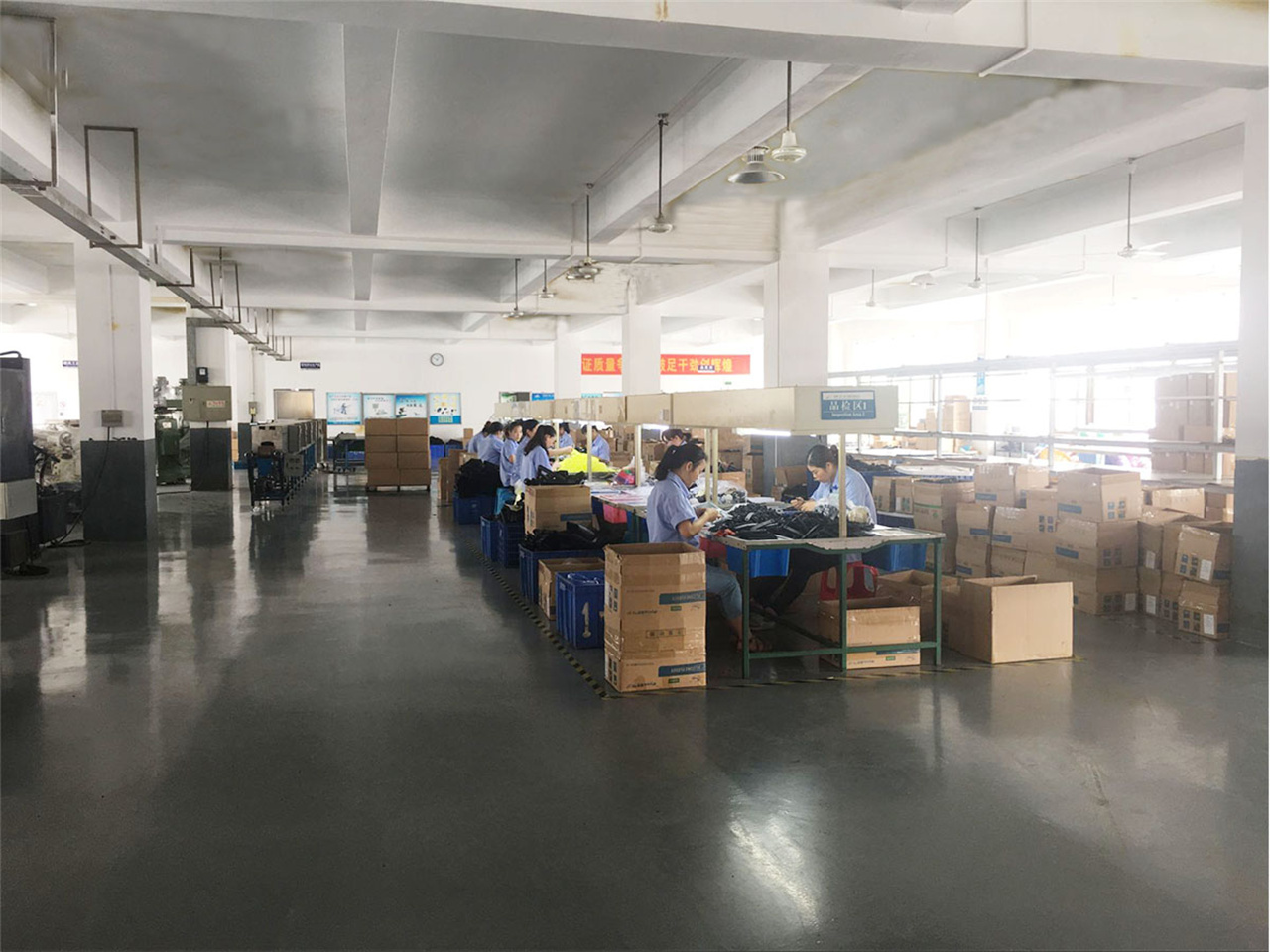
Established in 2007 and certified to both ISO 9001 and IATF 16949 standards, our company operates from an 8,000㎡ state-of-the-art facility equipped with advanced production lines, cleanrooms, and stringent quality inspection stations—all designed to ensure consistent quality across every component we produce.
We specialize in integrating innovations in material science with precision molding technologies to deliver critical garage rubber door seals, weatherstripping, and custom industrial gaskets that enhance the reliability of infrastructure, automotive systems, and consumer appliances globally.
Years Engineering Experience
Factory Footprint
Proprietary Formulations
Precision Tolerance Limit
Our production infrastructure is designed to meet complex silicone and heavy-duty rubber manufacturing demands through a combination of heavy-tonnage molding systems and intelligent automation. We customize garage rubber door seals to withstand severe environmental loads, UV exposure, and mechanical cycle stress.
We operate a comprehensive range of compression presses (250T to 600T) for large-format components, alongside high-precision injection molding machines (350T to 550T) capable of processing Liquid Silicone Rubber (LSR) and High-Temperature Vulcanized (HTV) silicone. These configurations ensure consistent curing and cross-linking density.
Automated demolding and real-time cavity temperature controls keep dimensional variance within ±0.15mm. This strict compliance threshold prevents structural sagging or buckling in large structural profiles, particularly when executing OEM garage bottom seals and multi-channel weatherstrips.
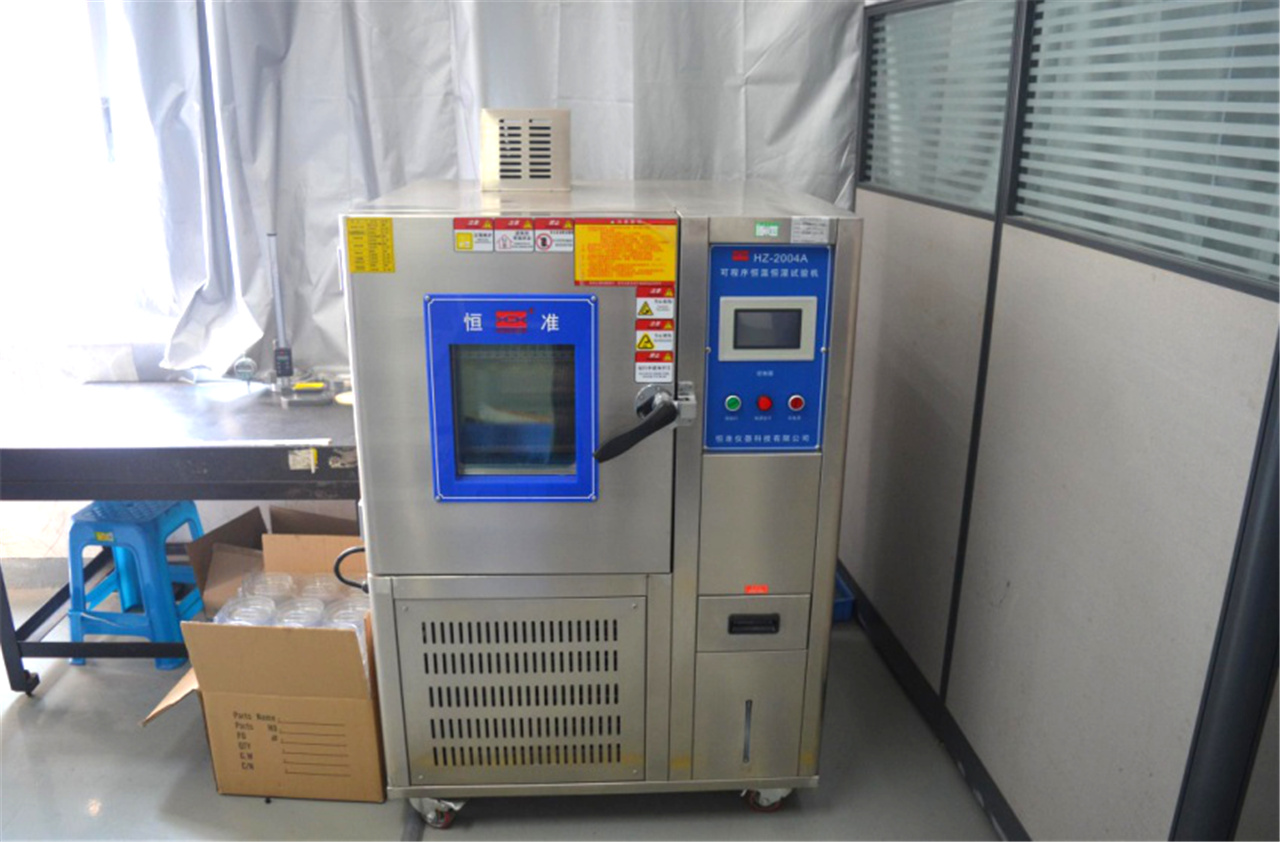
Our library contains over 40 functional elastomer formulations. This includes conductive options (10³–10⁸ Ω·cm) for electromagnetic mitigation, UL94 V-0 flame-retardant silicone, and specialized EPDM/Silicone hybrids engineered to remain flexible between -60°C and 300°C.
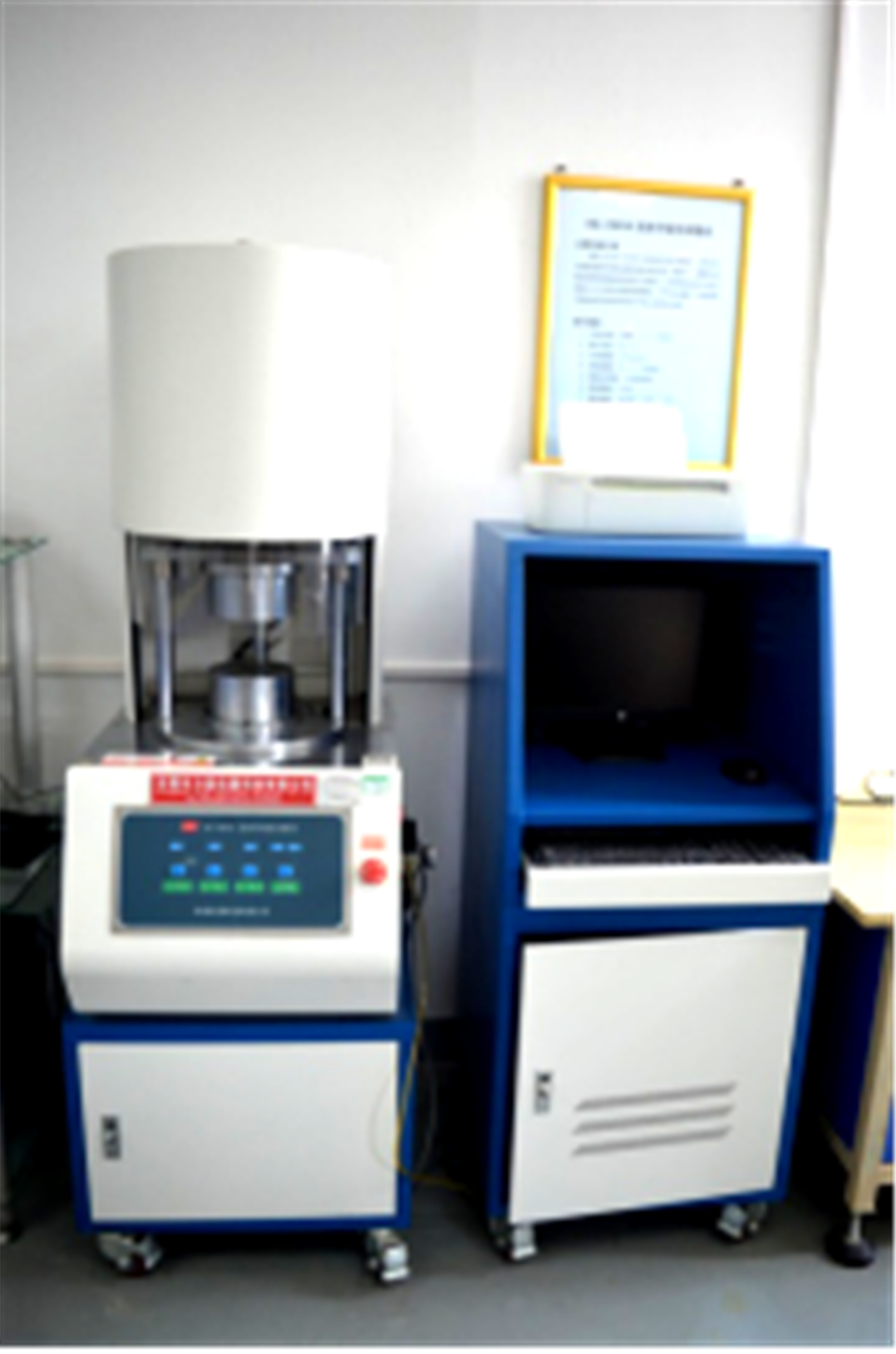
Industrial garage door bottom seals are no longer just basic rubber extrusions; they are highly engineered barrier systems that prevent water ingress, thermal bridging, and mechanical abrasion. As architectural standards shift toward net-zero buildings, the sealing systems must keep pace.
Core Innovation Direction: Integrating high-density EPDM (Ethylene Propylene Diene Monomer) with dynamic co-extruded thermoplastic elastomers (TPE/TPV) to reduce friction coefficients while maximizing sealing compression recovery.
Traditional rubber door seals compress and set over time, resulting in gaps at the base of sectional doors. Our engineering department is designing multi-cavity, bulb-shaped profiles using peroxide-cured EPDM. This compound shows a compression set resistance of <15% after 22 hours at 100°C, ensuring that seals return to their original shape after thousands of heavy garage cycles.
The next generation of commercial garage doors relies on intelligent safety systems. Our roadmap includes co-extruding conductive silicone elements directly inside the seal chamber. These elements serve as safety-edge pneumatic/electro-resistive triggers, halting motor activity if an obstruction is encountered.
Garage door seals are exposed to solar radiation and ambient ozone. Unmodified natural rubbers crack, chalk, and lose physical properties within 3 years. By incorporating high-performance UV-absorbers and choosing premium EPDM bases with high ethylene contents, our garage door seals maintain high tensile strength for over 10 years of direct UV exposure.
As green building certifications (such as LEED and BREEAM) rise in prominence, we are developing recyclable TPE-based garage seals. Unlike thermoset rubber, which is difficult to reclaim, these new materials can be pelletized and re-processed, drastically reducing the carbon footprint of structural industrial buildings.
| Performance Indicator | Commercial Grade EPDM | Industrial Silicone (HTV) | Thermoplastic Vulcanizate (TPV) | Neoprene (Chloroprene) |
|---|---|---|---|---|
| Service Temp Range | -45°C to 130°C | -60°C to 300°C | -40°C to 125°C | -35°C to 100°C |
| Tensile Strength (MPa) | 8.5 - 12.0 | 7.0 - 9.5 | 6.5 - 10.0 | 10.0 - 15.0 |
| Ozone & UV Resistance | Excellent | Outstanding | Very Good | Good |
| Compression Set Resistance | Highly Satisfactory | Outstanding | Moderate | Satisfactory |
| Oil & Chemical Resistance | Poor | Fair to Good | Good | Very Good |
Sealing high-occupancy warehouses, cold chain distribution hubs, and automotive production facilities requires distinct chemical and mechanical properties. A generic seal cannot satisfy these distinct operating conditions. We engineer custom solutions to resolve complex physical and thermal challenges across key sectors.
In temperature-controlled storage, air leakage at loading docks leads to ice buildup, energy loss, and product contamination. We supply co-extruded hollow-bulb EPDM seals that retain flexibility at -45°C. These seals maintain an airtight barrier against dock levelers, minimizing thermal transfer and reducing HVAC costs.
Heavy machinery maintenance environments expose floor seals to oils, grease, and high-impact rolling loads. Our specialized nitrile-modified EPDM formulations offer superior hydrocarbon resistance while withstanding heavy industrial wheel and track crossings without tearing.
Large-scale hangars require massive bottom seals to protect against high wind loads and water ingress. We manufacture oversized, multi-finned rubber curtain seals reinforced with internal nylon mesh. These reinforcements control elongation and prevent wind-driven blowouts along large spans.
Operating an 8,000㎡ production facility in Shenzhen enables us to combine technical precision with scaled efficiency. By standardizing automated compound preparation, multi-cavity extrusion systems, and real-time vision inspection, we provide reliable lead times and cost-efficient production cycles.
Our facility runs continuous curing and vulcanization tunnels (microwave and hot air systems) to maintain uniform density and surface finish across long-run profiles. Automated pullers and inline cutting systems ensure cross-sectional geometry remains stable, reducing scrap rates and lowering per-meter production costs.
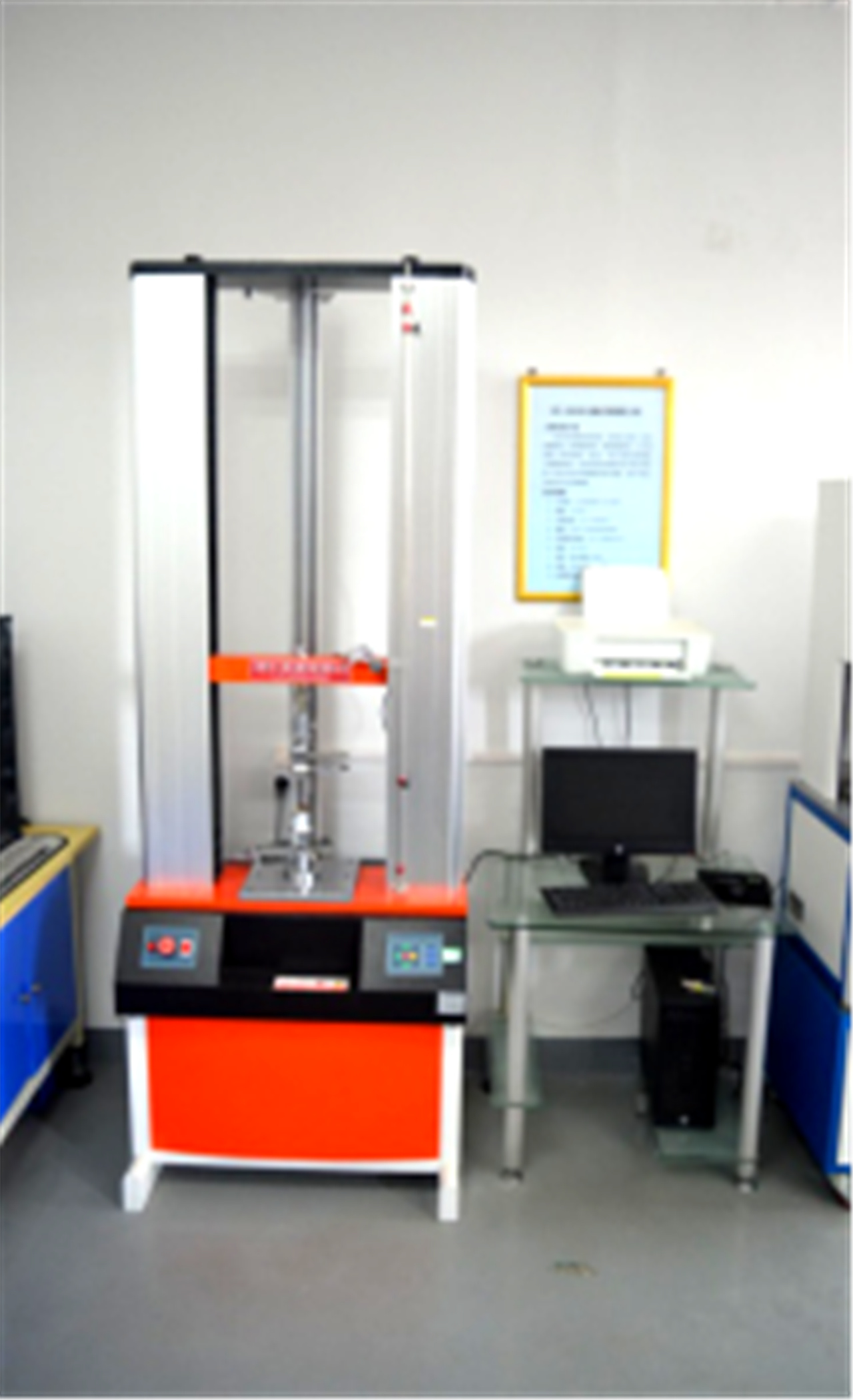
We source raw polymers from leading chemical suppliers, checking every batch for rheological properties, durometer stability, and curing speeds before extrusion. This control keeps batch-to-batch variations under 3%.
Our location in Shenzhen offers direct access to key international deepwater ports (Yantian and Shekou), optimizing ocean freight routes, reducing inland transit times, and streamlining global customs processes.
Our design team works with premium steel molds, reducing initial tooling times to 10-15 working days. This rapid prototyping helps industrial buyers speed up product development and market entry.
Industrial procurement teams require consistent compliance, supply-chain documentation, and functional scalability. We support procurement managers throughout the integration lifecycle—from raw material traceability to custom labeling and logistics coordination.
| Procurement Phase | Technical Deliverables | Compliance & Documentation | Turnaround Time |
|---|---|---|---|
| 1. Design & FEA Modeling | CAD cross-section designs, Finite Element Analysis (FEA) compression simulations. | Material Safety Data Sheets (MSDS), compound spec sheets. | 2 - 4 Days |
| 2. Rapid Tooling & Sampling | CNC-milled prototype dies, extruded sample lengths (1-5 meters). | Dimensional inspection reports (FAIR), durometer verification. | 10 - 15 Days |
| 3. Pilot Production Run | First-article manufacturing (100-500 meters), testing validation. | RoHS, REACH compliance certification, UL94 flammability ratings. | 7 - 10 Days |
| 4. Full Mass Production | Continuous automated extrusion, inline slitting, specialized packaging. | IATF 16949 inspection certificates, Certificate of Conformance (CoC). | 15 - 20 Days |
Custom OEM Customization Options: Pre-applied acrylic adhesive backings (3M or equivalent), integrated fiberglass cord reinforcement to control stretch, pre-punched mounting holes, and custom length coils for direct installation.
Navigating varying regional building regulations and environmental compliance standards requires active engineering support. We provide localized engineering consulting and ensure all compounds meet key global standards, helping our customers avoid compliance issues and delays during port clearance.
Our materials conform to ASTM D2000 specifications for rubber classifications. We also offer flame-retardant options that meet UL 94 V-0 standards and weatherstripping designs that help satisfy ASHRAE 90.1 air infiltration regulations.
We audit our entire supply chain to ensure our formulations are free of SVHCs (Substances of Very High Concern), phthalates, and heavy metals. This guarantees smooth import processes into EU member states.
We work with distribution partners in Europe, North America, and Southeast Asia to provide local technical support, helping clients resolve installation questions and select the right profiles for regional climates.
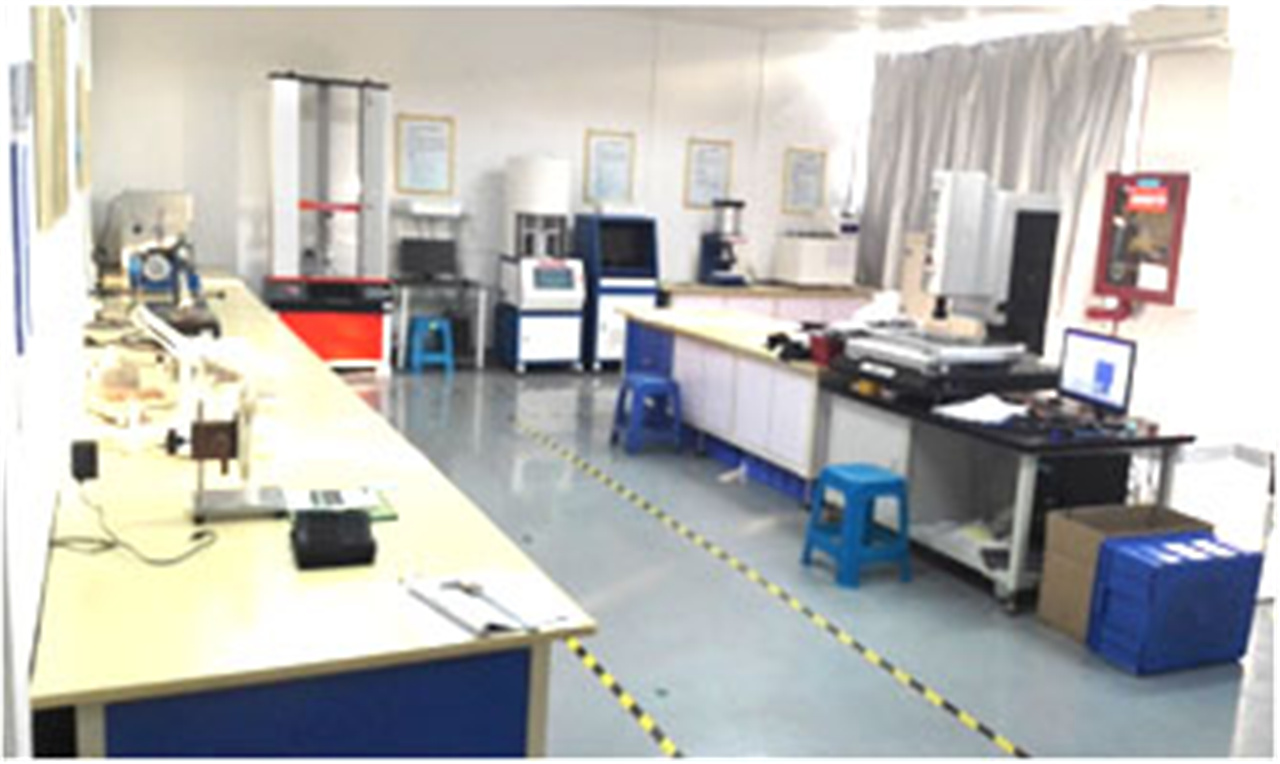
EPDM offers exceptional mechanical strength, cost efficiency, and resistance to abrasion from concrete floors, making it a reliable option for standard weatherstripping. Silicone performs exceptionally well in extreme temperatures (from -60°C to 300°C), retains elasticity over longer periods, and offers better resistance to ozone and UV rays, which is ideal for demanding commercial environments.
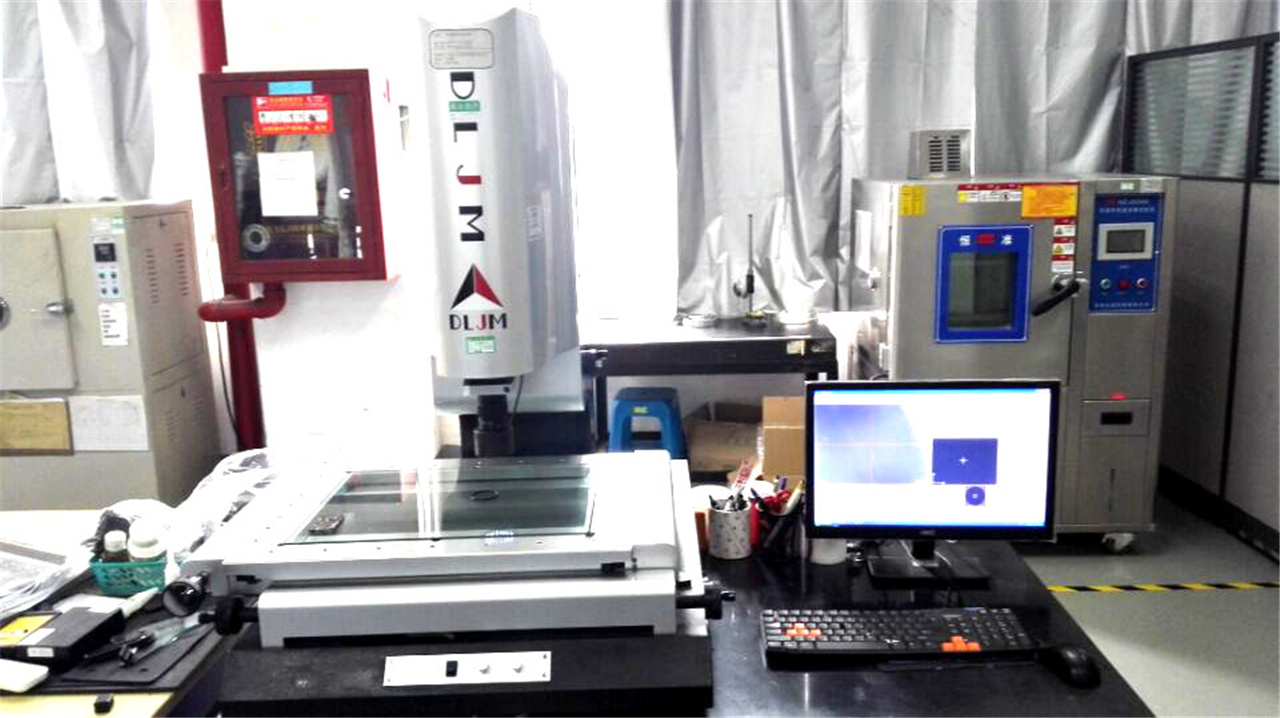
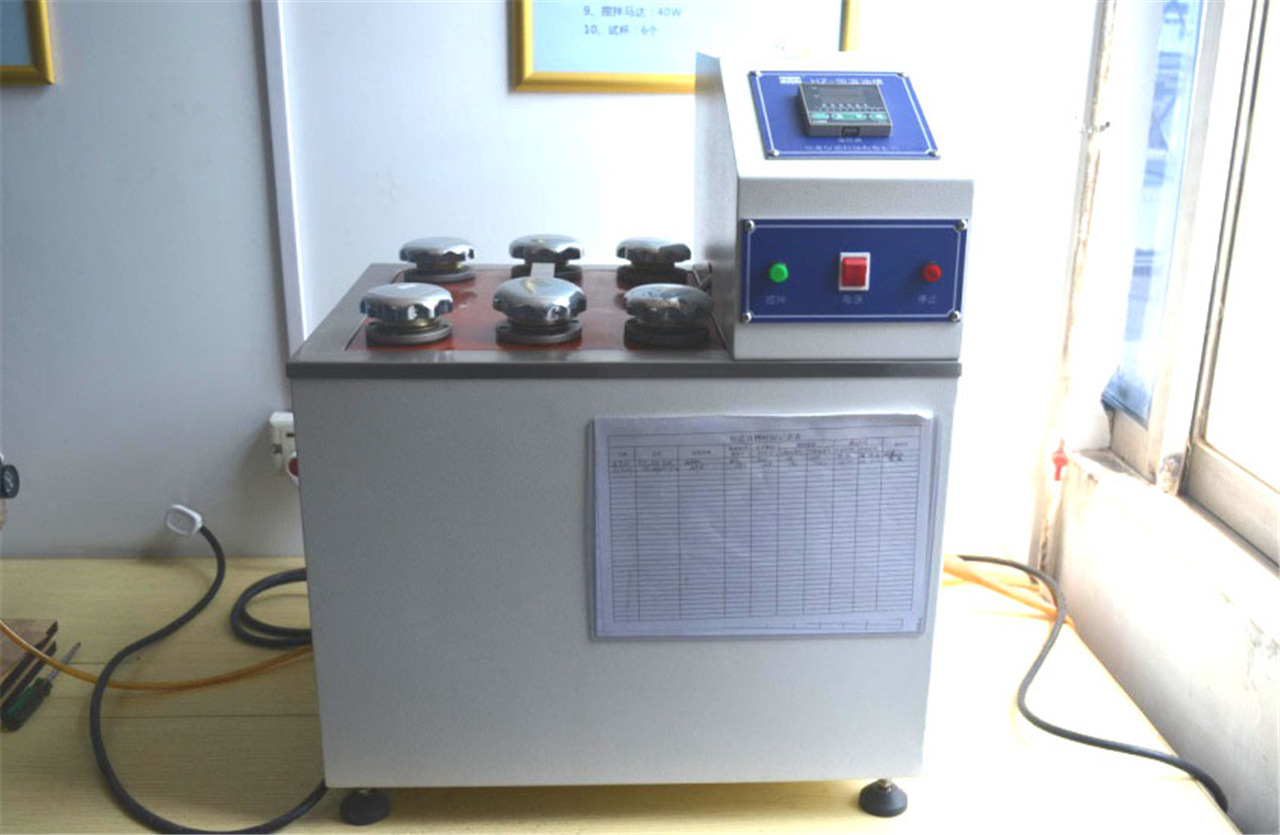
We use automated inline laser measurement systems on our extrusion lines, combined with regular optical profile projector inspections. This controls key cross-sectional tolerances within ±0.15mm, preventing gaps and ensuring easy installation on aluminum retaining tracks.
Our factories are certified under ISO 9001 and IATF 16949 (the automotive industry standard). Our compounds are fully compliant with RoHS and REACH standards. We also offer specialized grades that meet FDA requirements and UL94 V-0 flame-retardant specifications.
Yes. We specialize in co-extrusions that combine a rigid mounting base (usually 80-90 Shore A EPDM or TPV) with a soft, flexible sealing bulb (50-60 Shore A). This simplifies installation and keeps the seal firmly anchored during thermal expansion and contraction.
Standard profile tooling and initial samples are completed within 10 to 15 working days. Once the samples are approved, mass production orders are typically fulfilled within 15 to 20 working days, depending on order volume and configuration complexity.
 101 Rubber