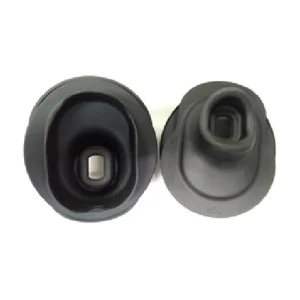
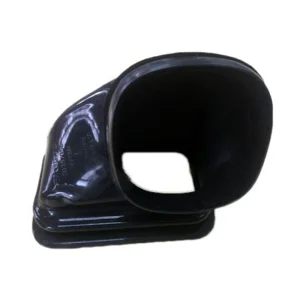
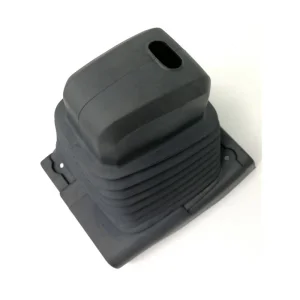
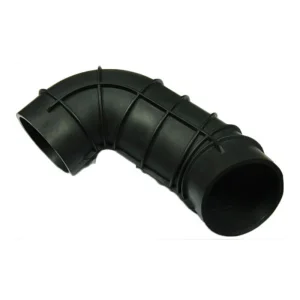
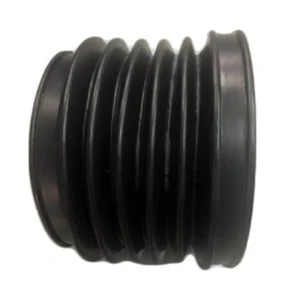
In the modern industrial landscape, OEM Rubber Edge Molding is far more than a decorative trim. It represents a critical intersection of safety engineering, material science, and aesthetic integration. Whether protecting high-voltage electronics in Electric Vehicles (EVs) or providing ergonomic shielding in medical devices, the quality of edge molding directly impacts product longevity and user experience.
As a leading Rubber Edge Molding Factory, Shenzhen 101 Electronic Technology Co., Ltd. has observed a significant shift in global procurement trends. Companies no longer just look for "suppliers"; they seek "innovation partners" capable of providing information gain through proprietary material formulations and precision manufacturing processes that exceed standard market offerings.
Years Experience
Facility Size
Proprietary Formulas
Precision Tolerance (mm)
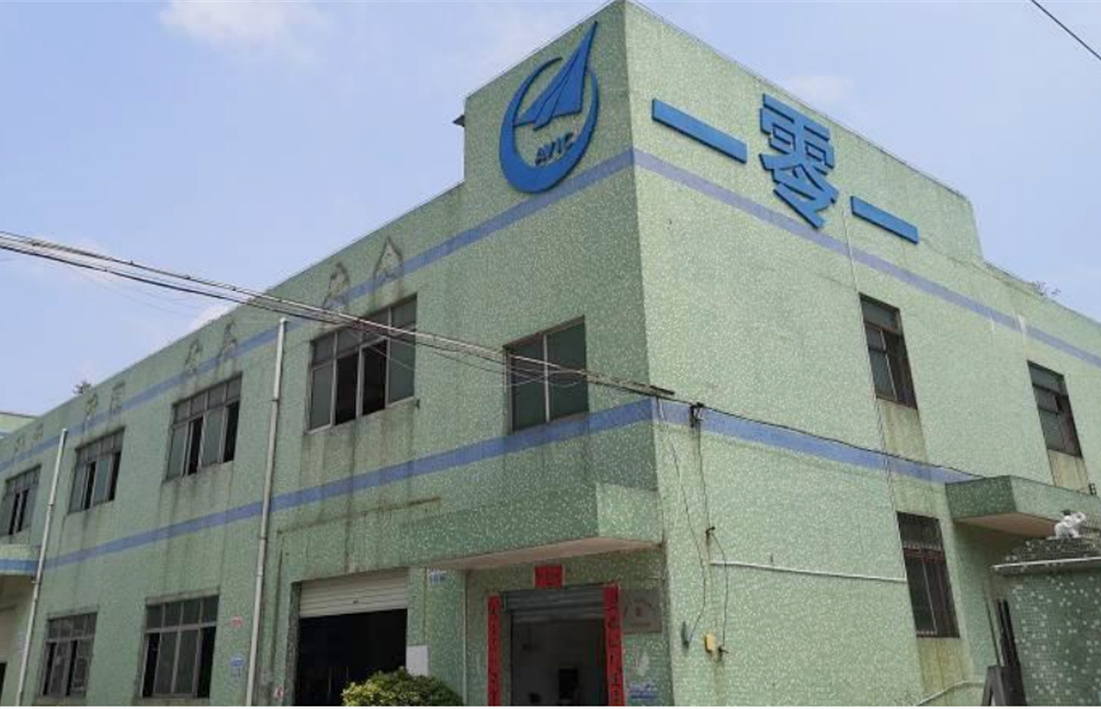
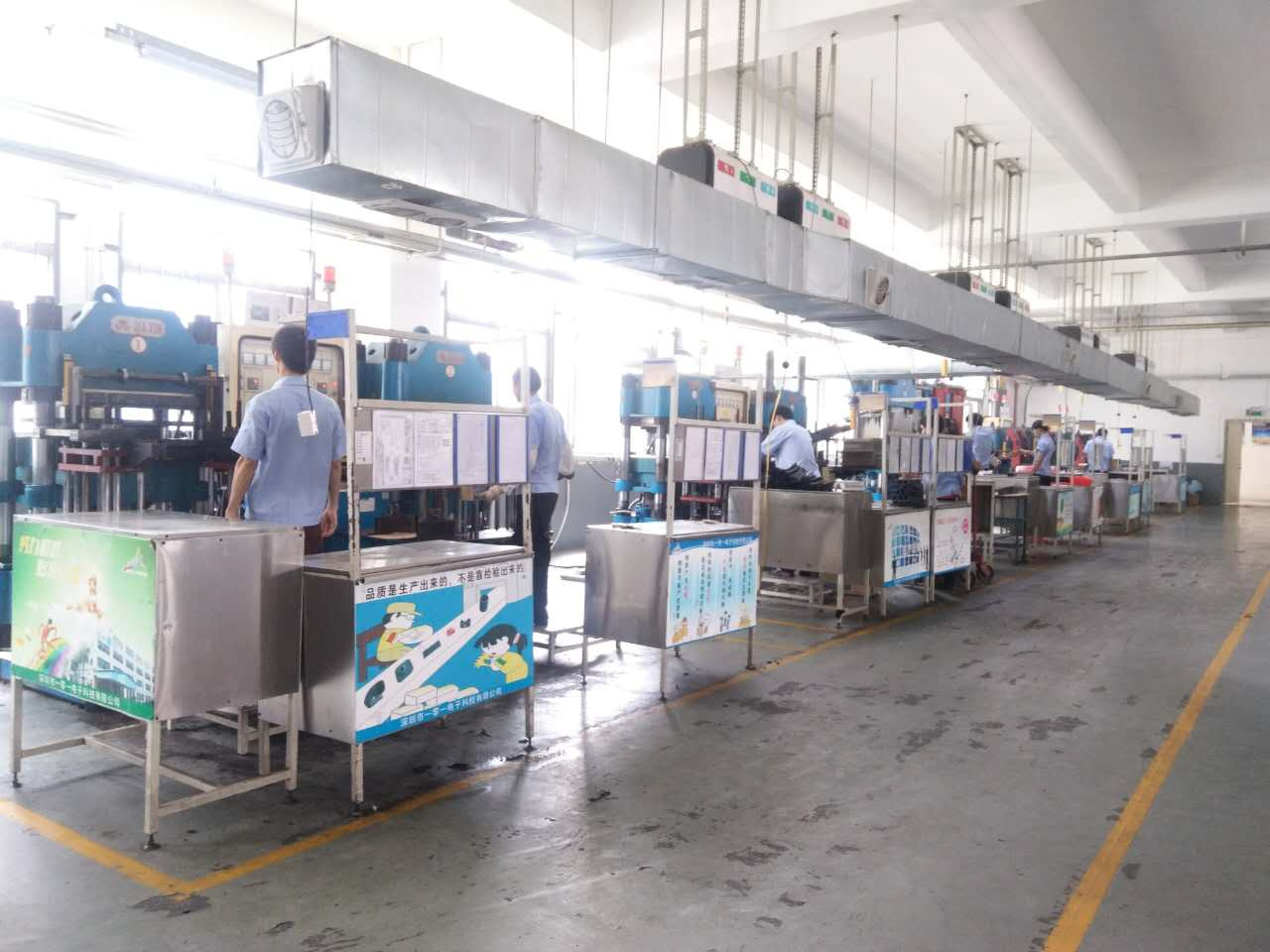
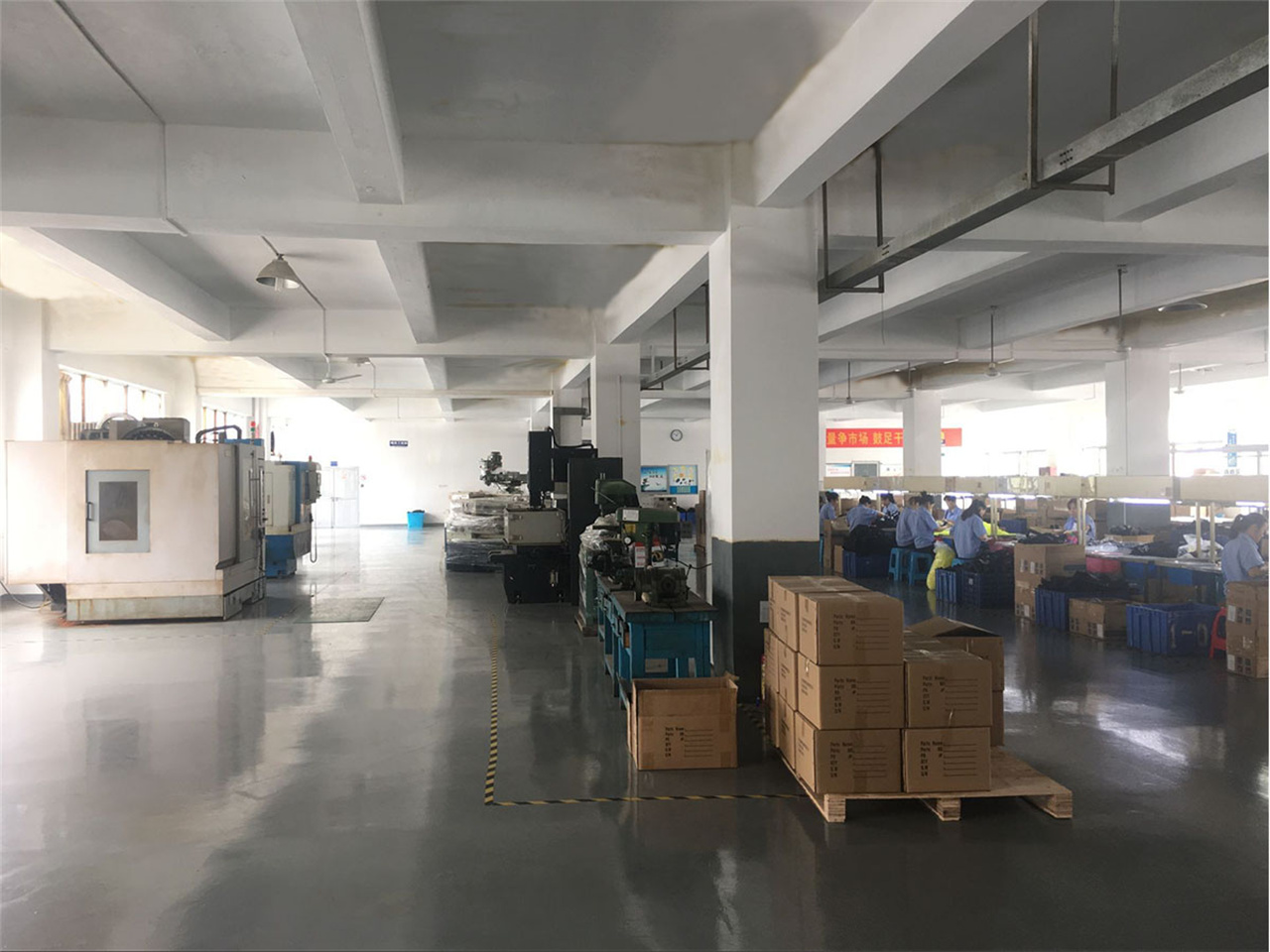
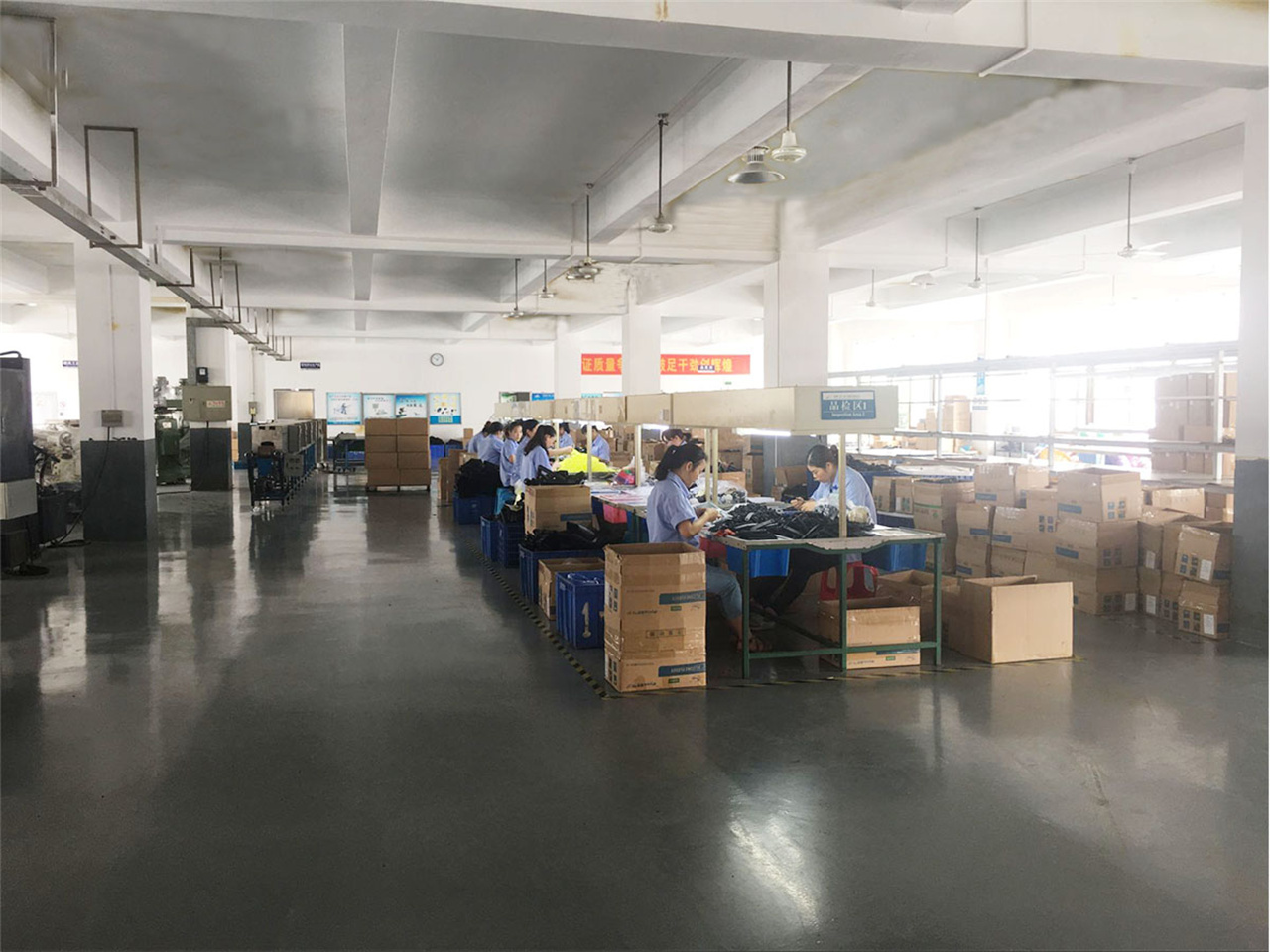
Established in 2007 and certified to both ISO 9001 and IATF 16949 standards, we operate from an 8,000㎡ state-of-the-art facility. Our production infrastructure is designed to meet complex silicone manufacturing demands through a combination of heavy-tonnage molding systems and intelligent automation.
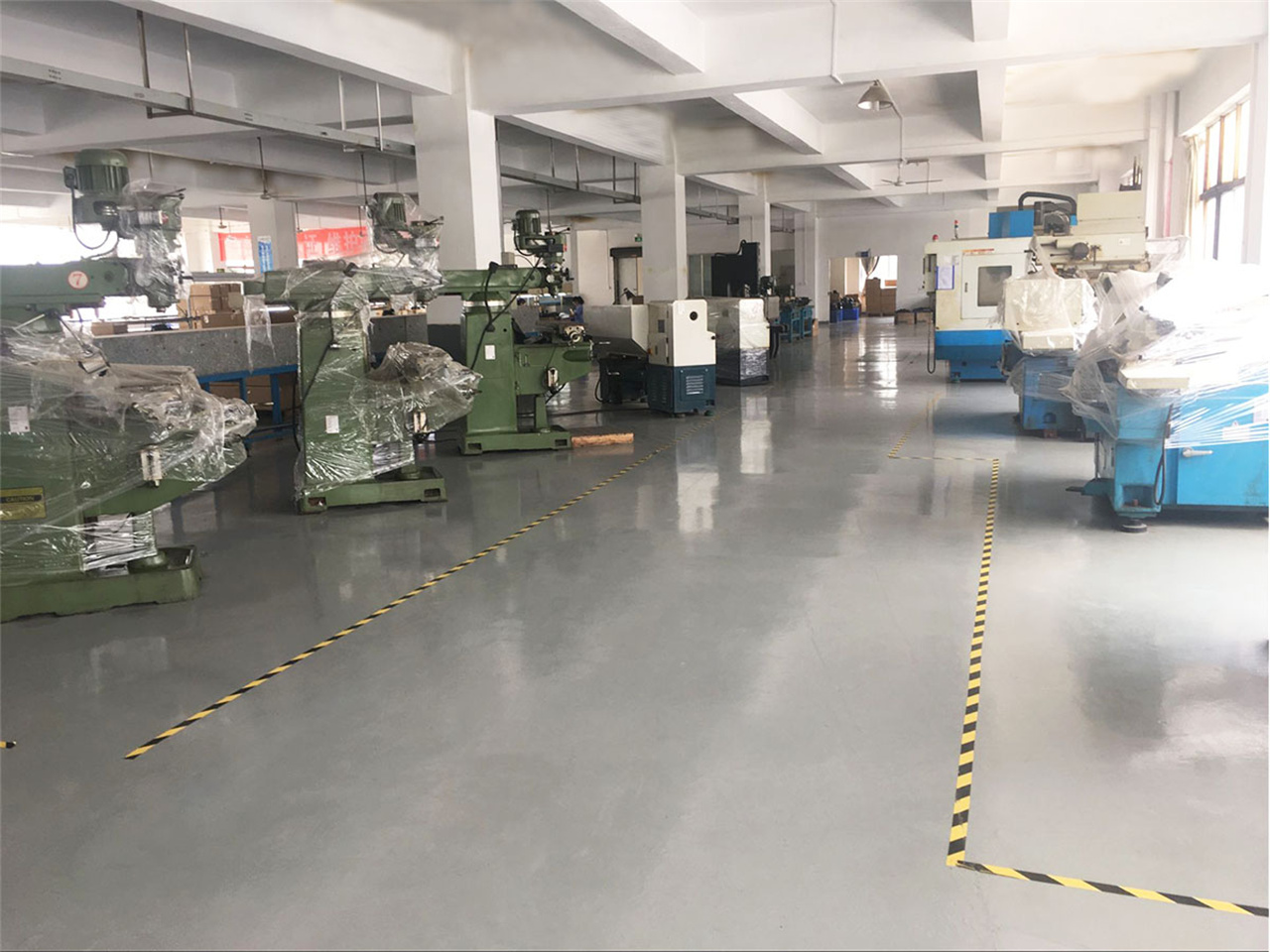
We operate a comprehensive range of compression presses (250T to 600T) for large-format silicone parts, as well as injection molding machines (350T to 550T) capable of processing both Liquid Silicone Rubber (LSR) and High-Temperature Vulcanized (HTV) silicone.
With over 40 proprietary silicone formulations, we meet functional requirements including conductive silicone (10³–10⁸ Ω·cm), food-grade (FDA compliant), and flame-retardant (UL94 V-0 rated) materials. Reliable across -60°C to 300°C.
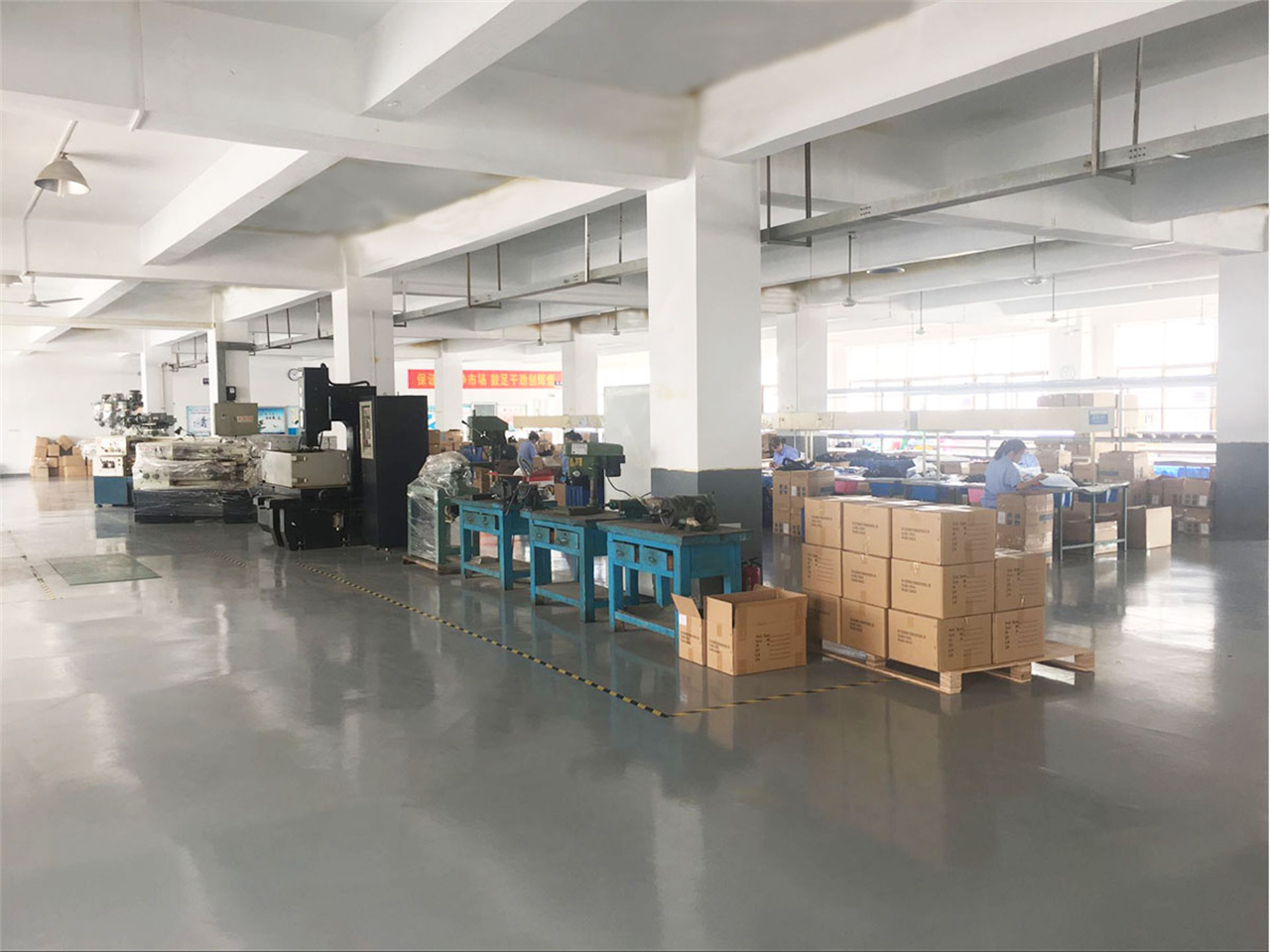
From mold design and CNC tooling to raw material mixing and secondary vulcanization, China's rubber edge molding ecosystem provides a "one-stop" solution that significantly reduces lead times (often by 30-50% compared to Western manufacturers).
Access to advanced EPDM, Nitrile, and proprietary Silicone blends. Shenzhen factories leverage localized R&D to provide cost-effective alternatives to premium Western brands without compromising on tensile strength or UV resistance.
Proximity to the Pearl River Delta ports means your OEM Rubber Edge Molding components can reach global markets via high-frequency shipping routes, ensuring just-in-time delivery for high-volume automotive and electronics assembly lines.
Navigating global regulatory frameworks is the biggest hurdle for procurement teams. Our OEM Rubber Edge Molding services prioritize RoHS, REACH, and UL compliance. We don't just ship parts; we provide the documentation and localized engineering support needed to pass stringent safety audits in Europe and North America.
Door seals, window gaskets, and battery pack edge protection requiring extreme weather resistance and vibration damping.
Protective bumpers for handheld devices and sealing gaskets for ruggedized outdoor telecommunications equipment.
Heavy-duty edge guards for metal panels, preventing wear and protecting operators from sharp edges in manufacturing plants.
Sustainability & Bio-Rubber: There is an increasing demand for recycled rubber compounds and bio-based silicones. Factories are investing in closed-loop manufacturing where scrap material is re-processed into lower-spec industrial edge guards.
Additive Manufacturing Integration: While mass production still relies on high-tonnage molding, 3D printing of silicone prototypes allows for rapid iteration of edge profiles, cutting the design-to-production cycle by weeks.
Smart Gaskets: Integration of conductive rubber elements into edge molding allows the trim itself to act as a sensor for detecting pressure changes or seal breaches in critical vacuum systems.
Custom Color Matching: Moving beyond industrial black and grey, OEM factories are offering RAL/Pantone color matching to ensure edge molding complements the high-end industrial design of consumer goods.
 101 Rubber