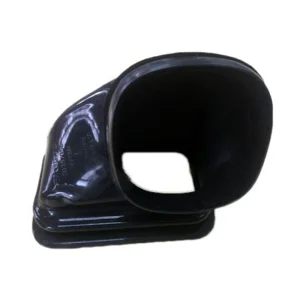
In the modern automotive landscape, the Vehicle Door Seal has transitioned from a basic weather-stripping component to a sophisticated piece of engineering essential for NVH (Noise, Vibration, and Harshness) control. As a premier Custom Vehicle Door Seal Manufacturer, Shenzhen 101 Electronic Technology Co., Ltd. understands that the integrity of a vehicle's cabin depends on the micro-precision of its seals.
With the rise of Electric Vehicles (EVs), the demand for high-performance sealing has intensified. Without the mask of engine noise, wind and road noise become more prominent, necessitating door seals with superior acoustic insulation properties. Our factory utilizes 17 years of experience to solve these complex challenges through material innovation and structural optimization.
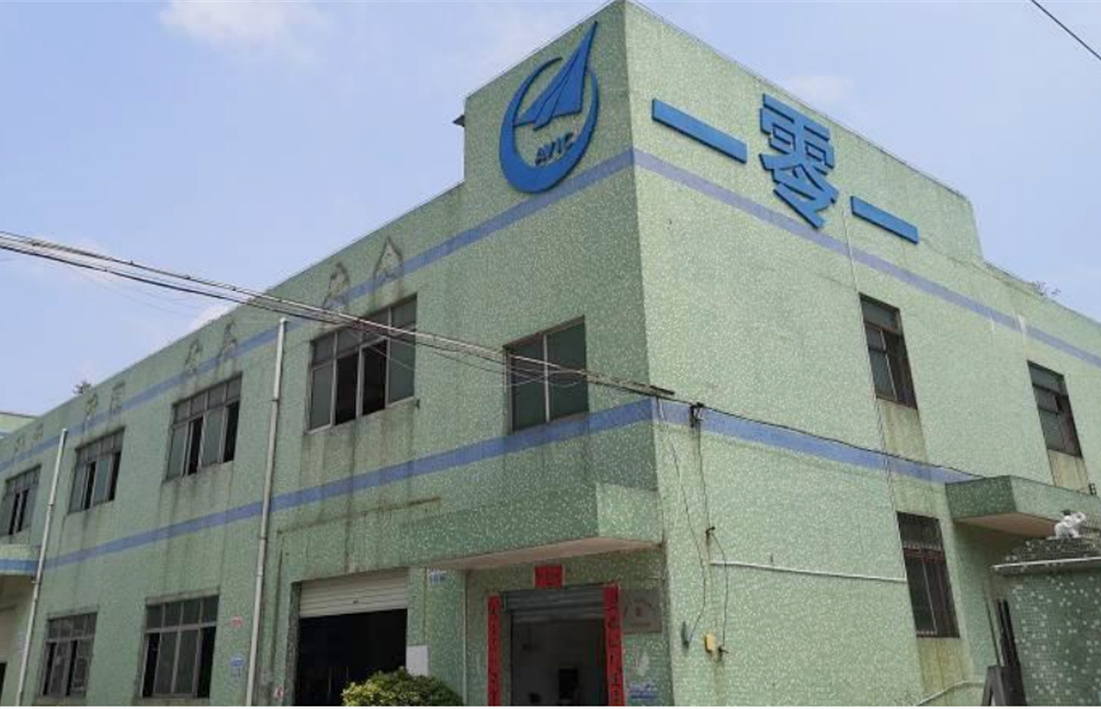
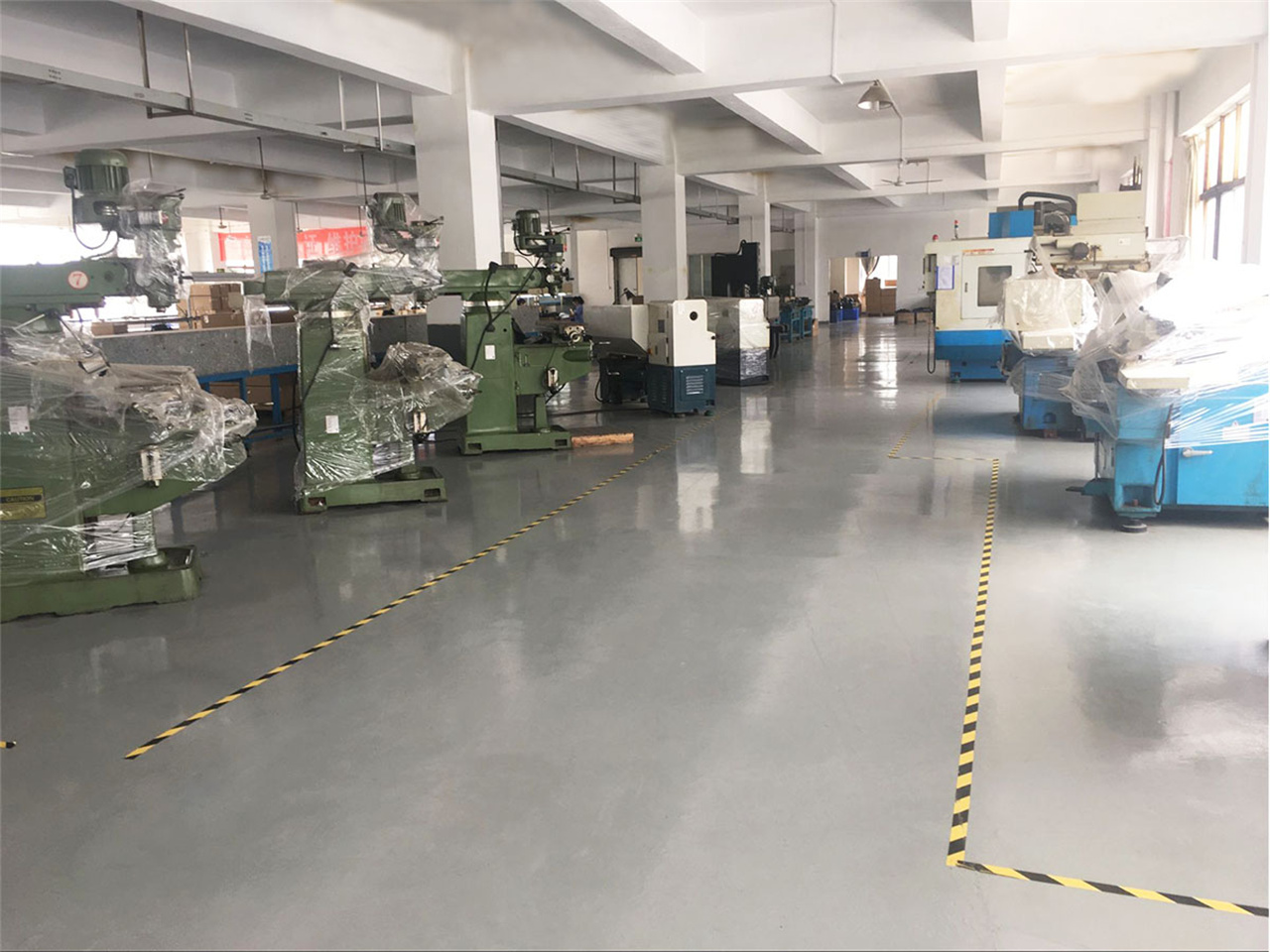
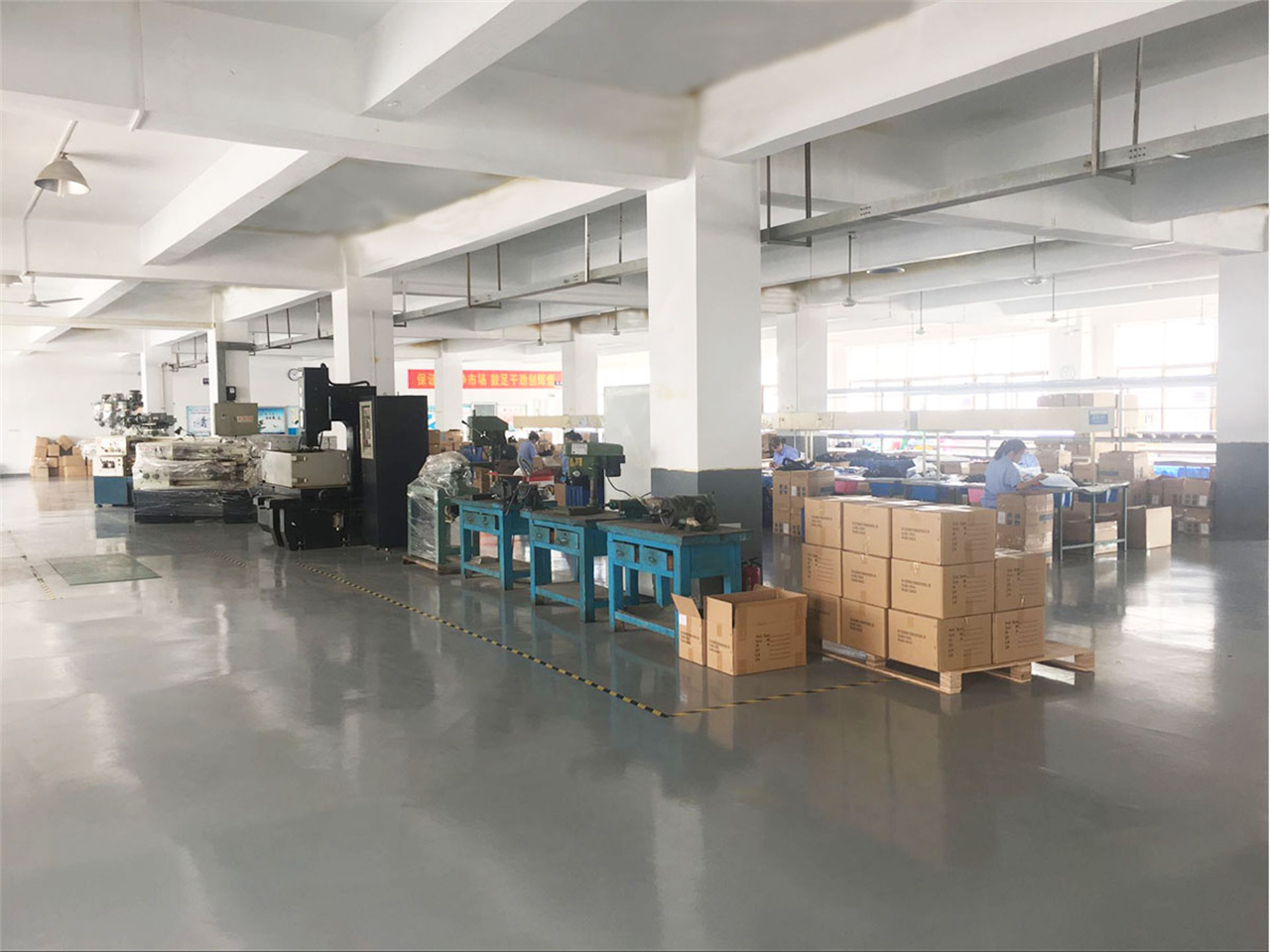
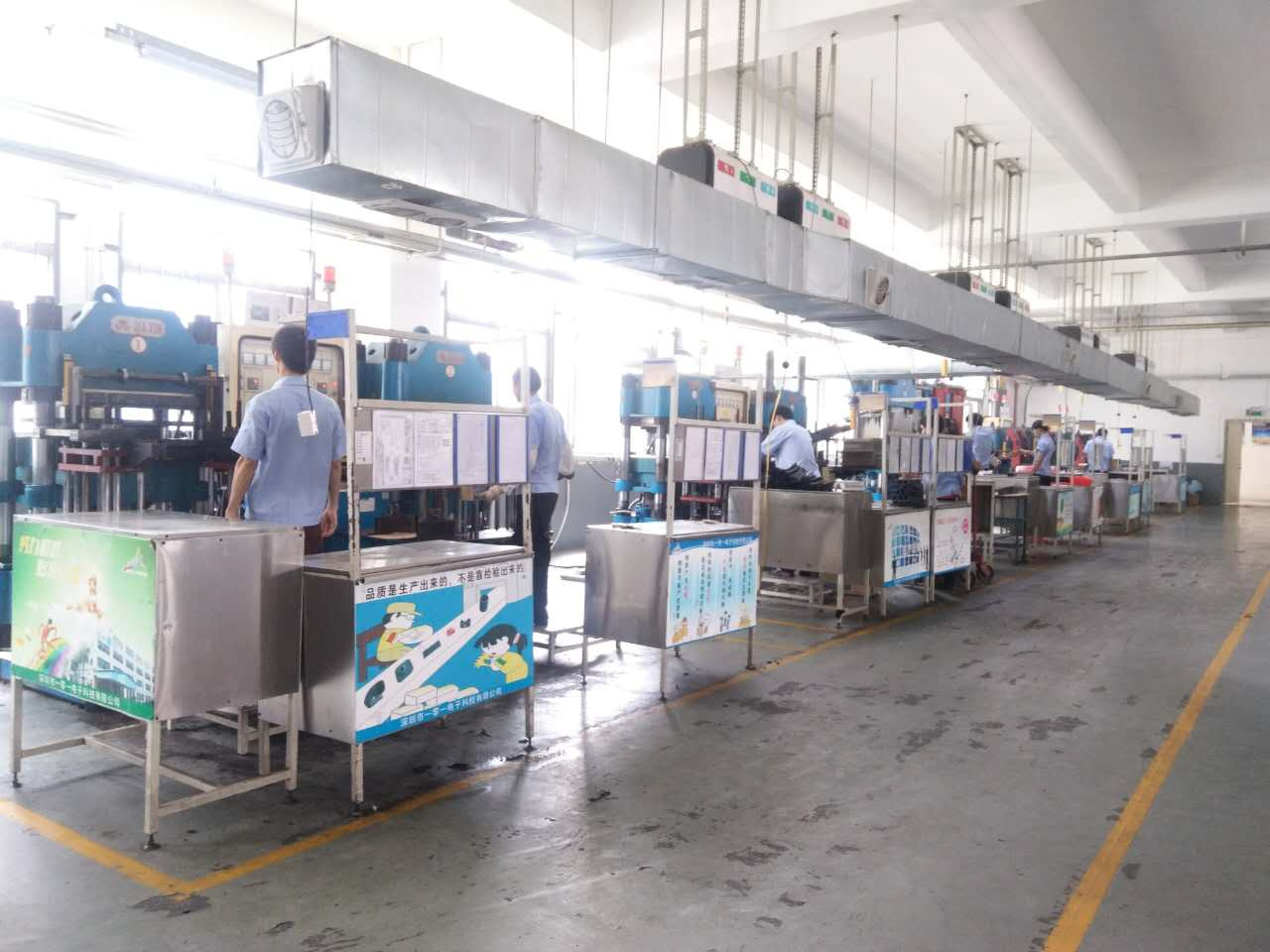
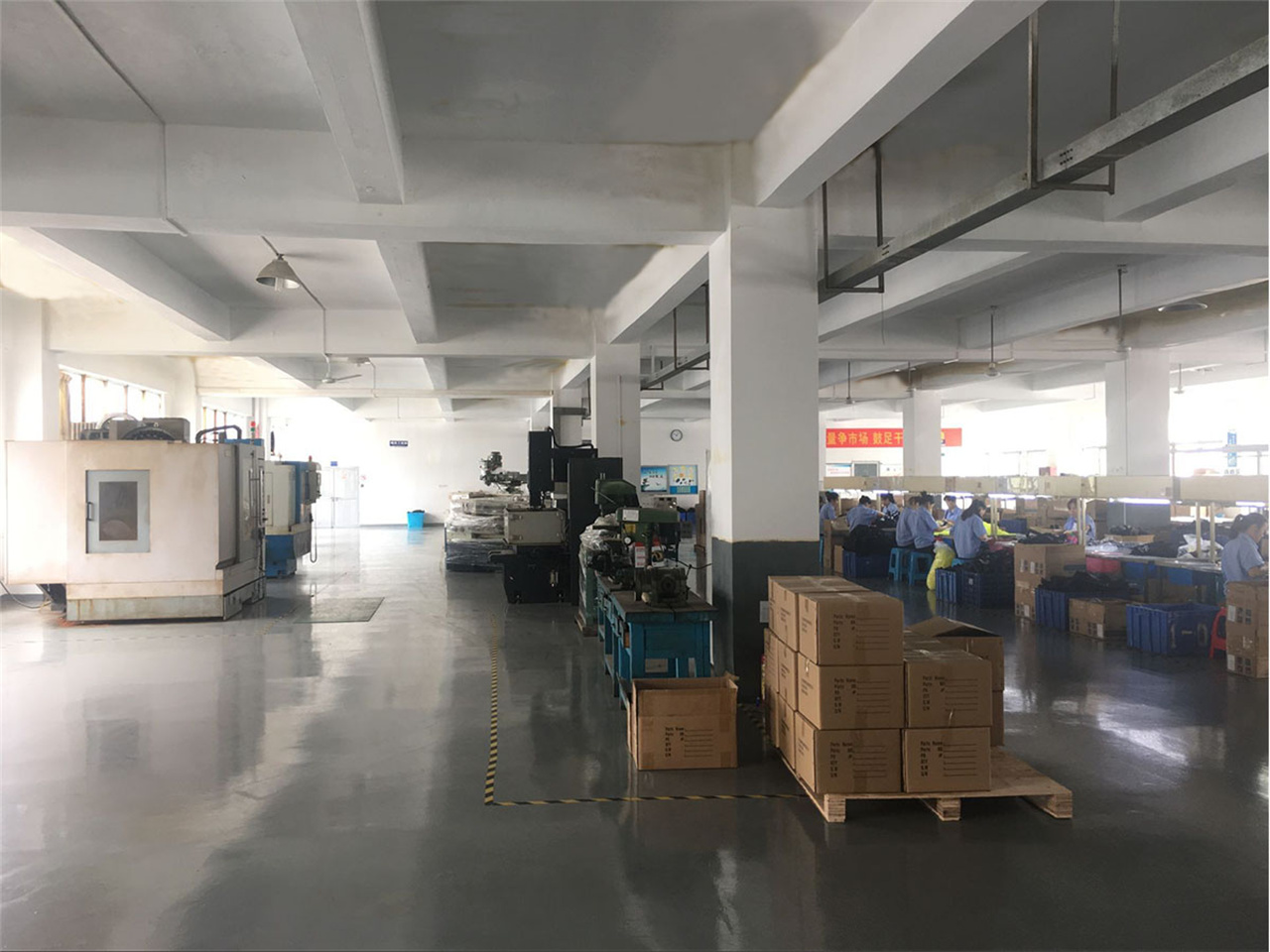
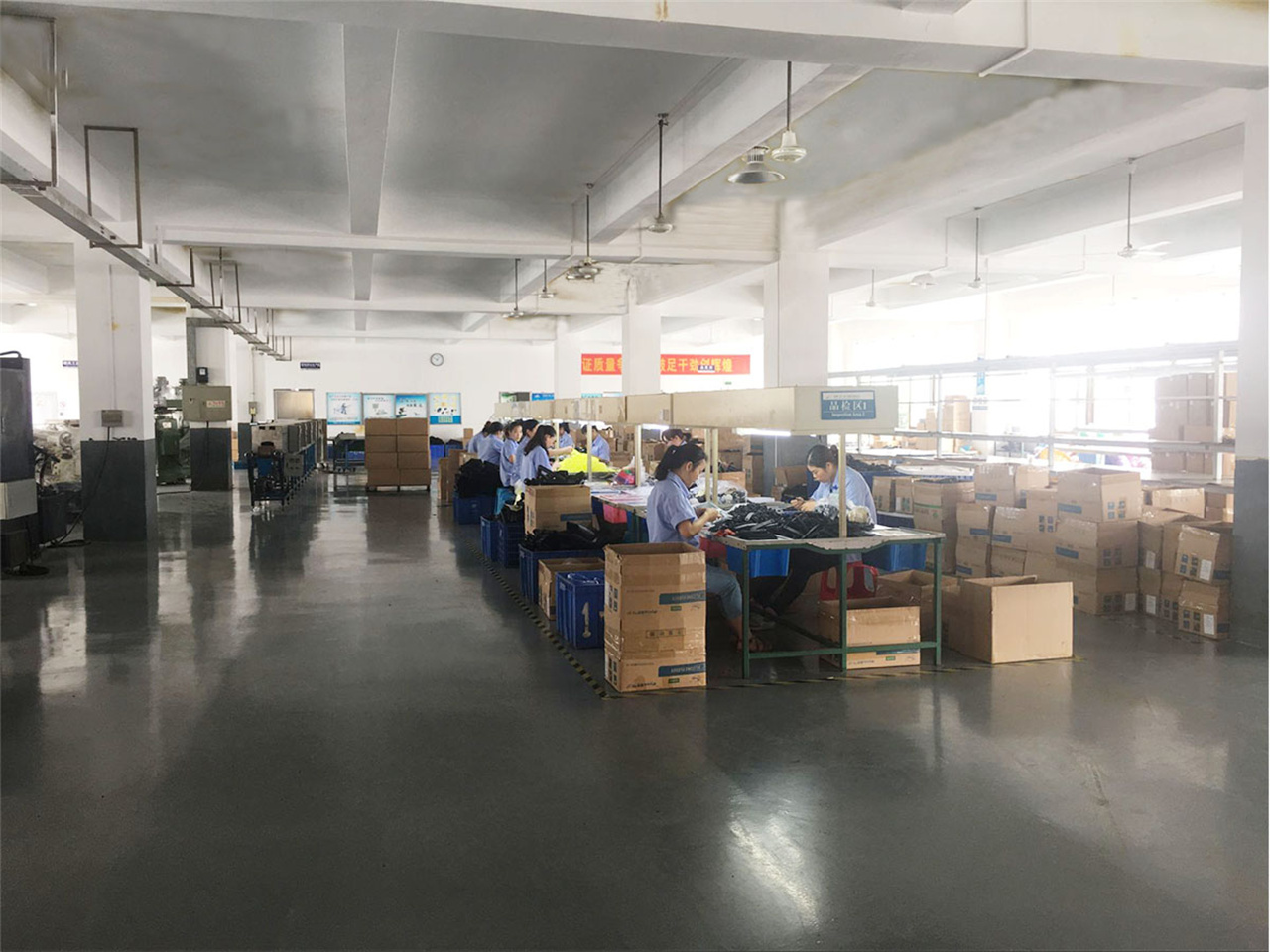
Established in 2007, Shenzhen 101 Electronic Technology Co., Ltd. is a leading manufacturer of precision silicone and rubber components. Our 8,000㎡ state-of-the-art facility is the backbone of our commitment to the global automotive supply chain.
We operate compression presses ranging from 250T to 600T for large-format vehicle parts and injection molding machines from 350T to 550T. This allows us to handle everything from intricate O-rings to massive door weatherstrips.
Equipped with automated demolding systems, we maintain dimensional stability within ±0.15mm. This level of precision is critical for automated vehicle assembly lines where every millimeter counts.
Our library includes 40+ proprietary formulations, including conductive silicone, flame-retardant (UL94 V-0), and extreme-temperature variants capable of withstanding -60°C to 300°C.
Located in Shenzhen, the global hub of electronic and automotive innovation, we have immediate access to raw material suppliers and advanced logistics, reducing lead times by up to 30% compared to Western counterparts.
Our "Custom Vehicle Door Seal Factory" model emphasizes rapid prototyping. We can move from a CAD drawing to a functional silicone prototype in days, allowing for iterative testing that accelerates your time-to-market.
By leveraging large-scale automation and optimized molding processes, we provide IATF 16949-grade components at a cost structure that supports the competitive pricing of your final vehicle units.
Electric vehicles require specialized door seals that minimize high-frequency wind noise. We are developing multi-layer composite seals that combine rigid mounting sections with ultra-soft bulb sections for maximum compression set resistance and sound dampening.
Every gram matters in EV design. Our material scientists are working on micro-cellular silicone foams that offer the same sealing integrity as solid rubber but at 40% less weight, directly contributing to increased vehicle range.
Global procurement teams now demand RoHS and REACH compliance as a minimum. We are going further by integrating recycled silicone content and developing halogen-free, eco-friendly formulations that align with the sustainability goals of OEMs like Tesla, Volvo, and BMW.
Door seals must remain flexible at -40°C to prevent "door sticking" and ensure a perfect seal. Our low-temperature silicone formulations are tested to maintain elasticity where traditional EPDM fails.
Salt-spray and intense UV radiation can degrade rubber in months. Our UV-stabilized silicone seals are designed for 10-year durability in coastal environments, preventing cracks and leaks.
For construction and agricultural machinery (like CASE IH), seals must resist oil, grease, and mechanical abrasion. Our high-shore hardness seals are built for "forever" durability in the field.
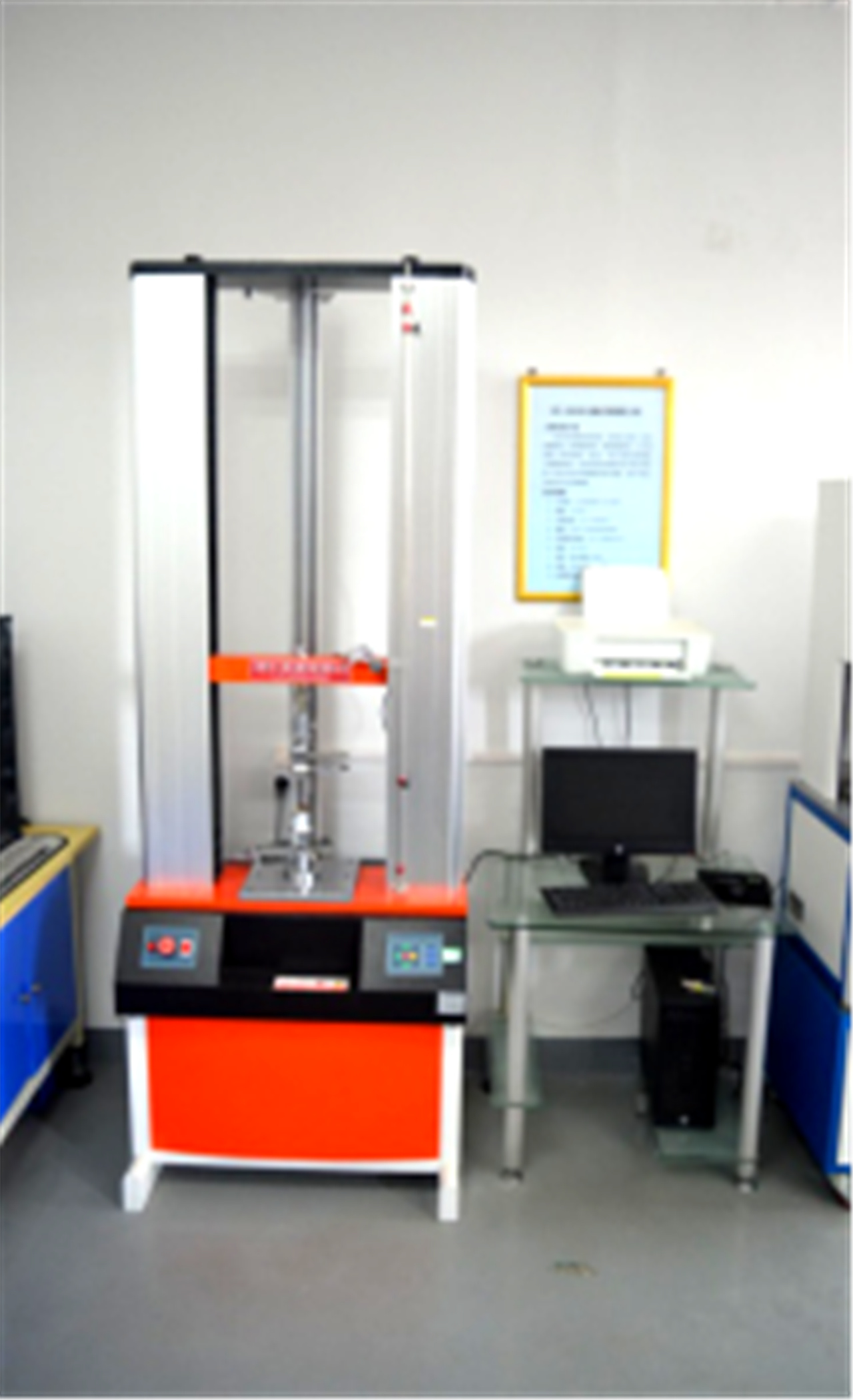
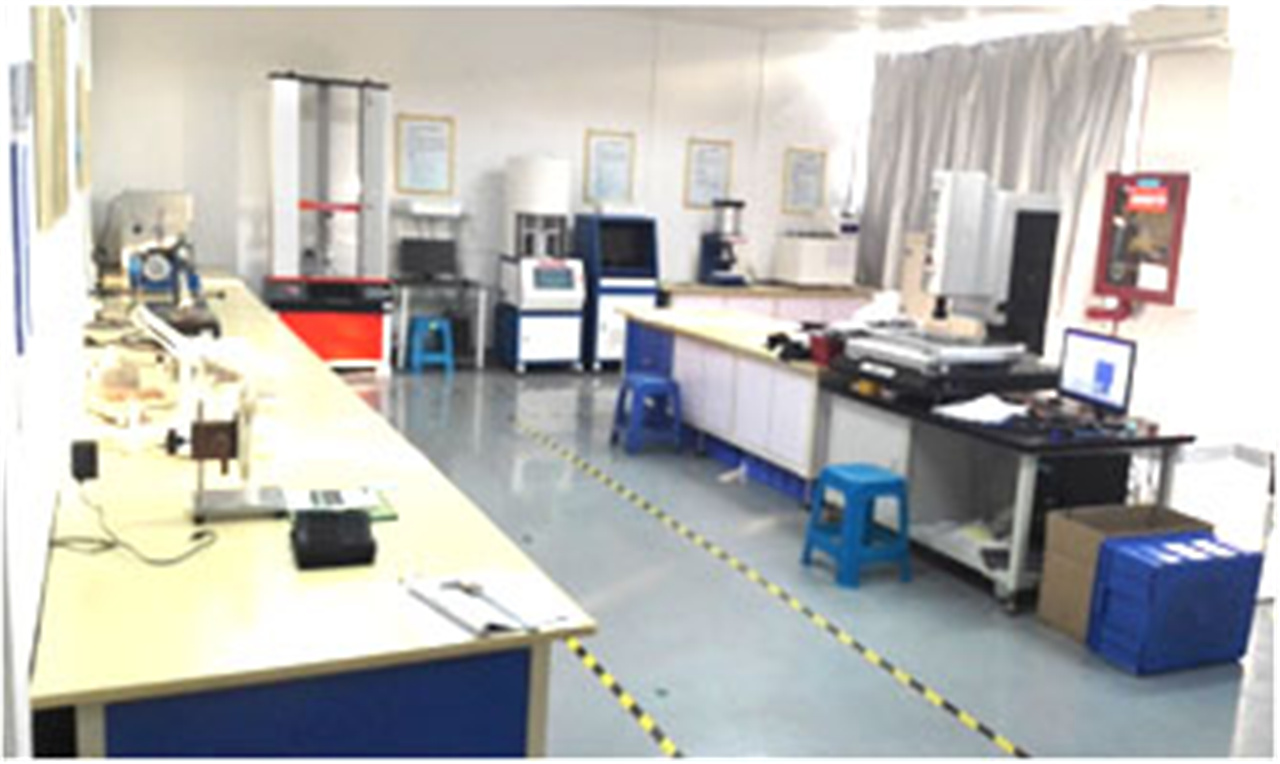
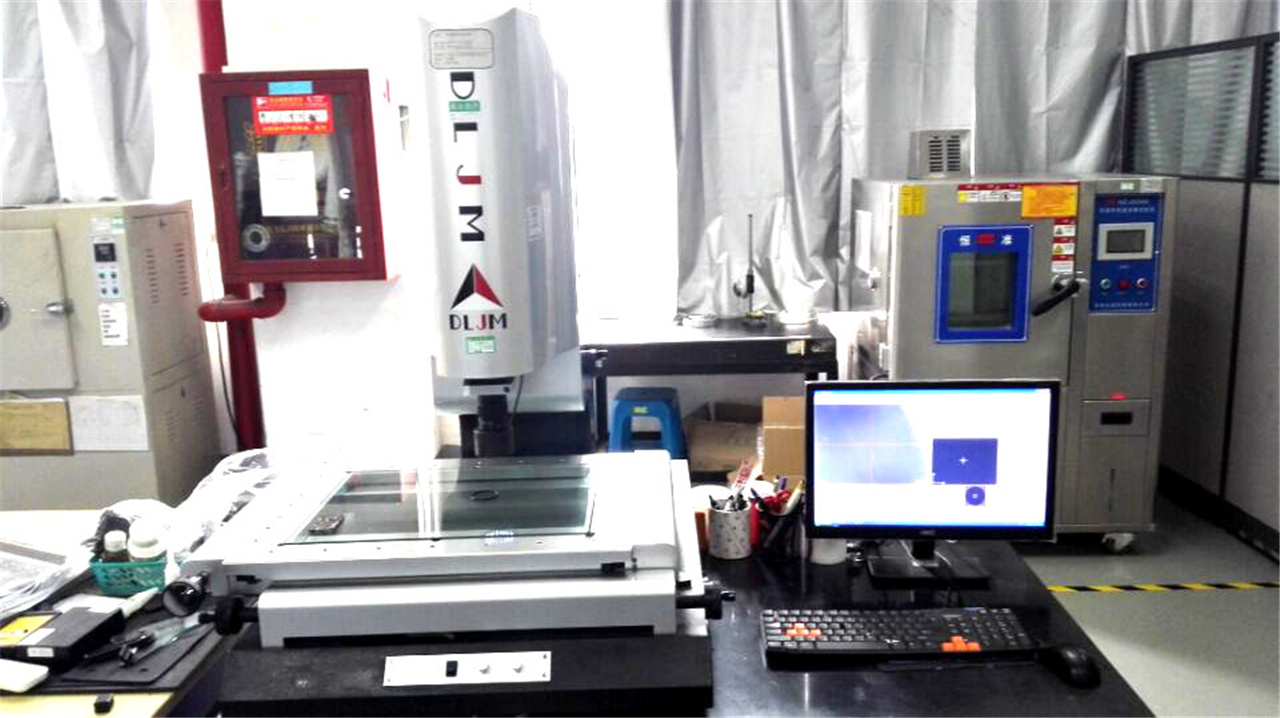
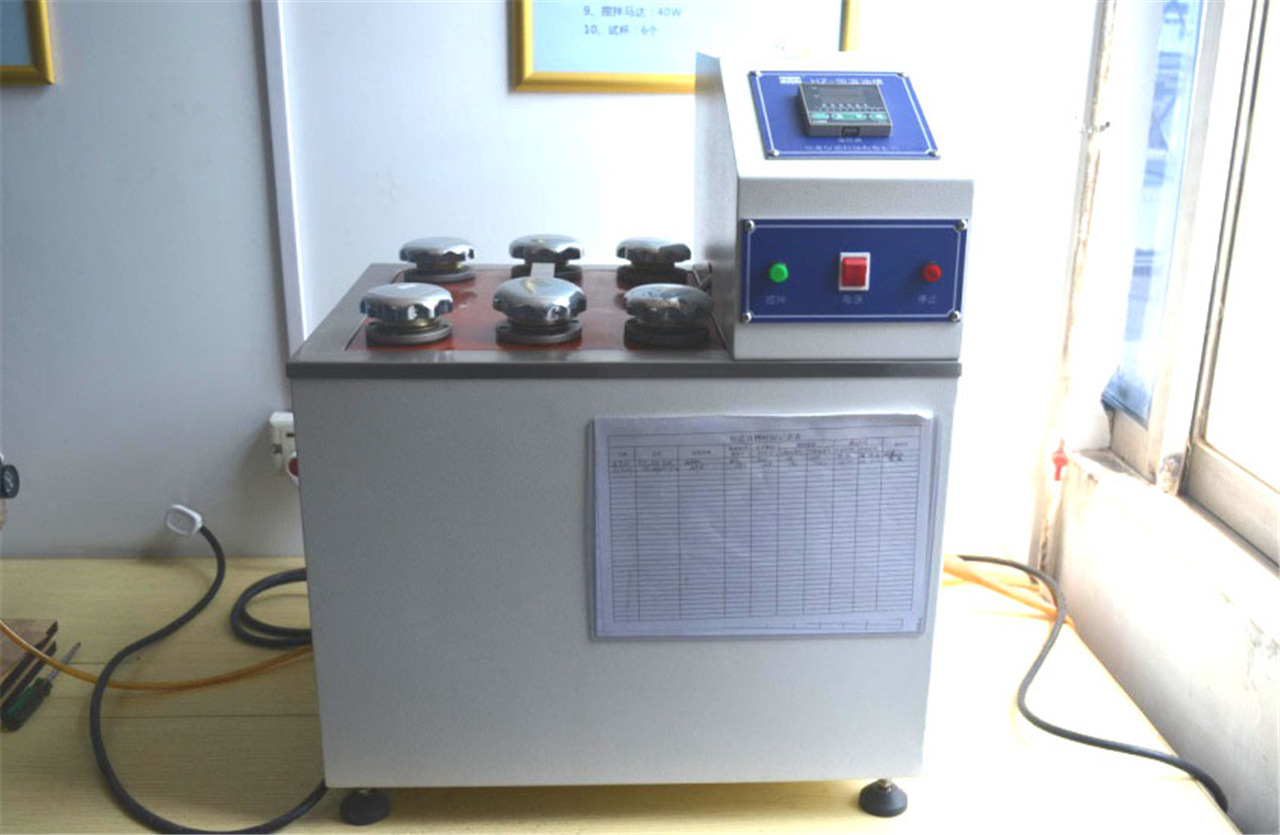
For procurement managers at Tier-1 automotive suppliers, selecting a Custom Vehicle Door Seal Factory involves more than just comparing unit prices. Here is our 4-pillar approach to ensuring partnership success:
Always verify IATF 16949 certification. This isn't just a badge; it's a commitment to zero-defect manufacturing and continuous improvement in the automotive supply chain.
At Shenzhen 101, we provide full material data sheets (MDS) and batch traceability, ensuring that the silicone used in your seals meets the exact functional requirements of the original specification.
We offer transparent tooling agreements. Our high-precision molds are maintained in-house to ensure they deliver millions of cycles without degradation of part geometry.
We support Just-In-Time (JIT) manufacturing models, with the ability to manage safety stock and provide door-to-door international logistics, ensuring your assembly line never stops.
A: For EVs, we recommend high-performance Silicone or LSR (Liquid Silicone Rubber) over traditional EPDM. Silicone offers superior compression set resistance and better acoustic insulation, which is critical for the quiet cabin requirements of electric vehicles.
A: Yes. Our 5-axis CNC mold-making capabilities and 600T compression presses allow us to create complex, 3D-molded seals that follow the most intricate vehicle body lines with ±0.15mm precision.
A: Generally, prototype tooling takes 7-10 days, and production tooling takes 20-25 days. We provide initial samples for validation within 48 hours of tooling completion.
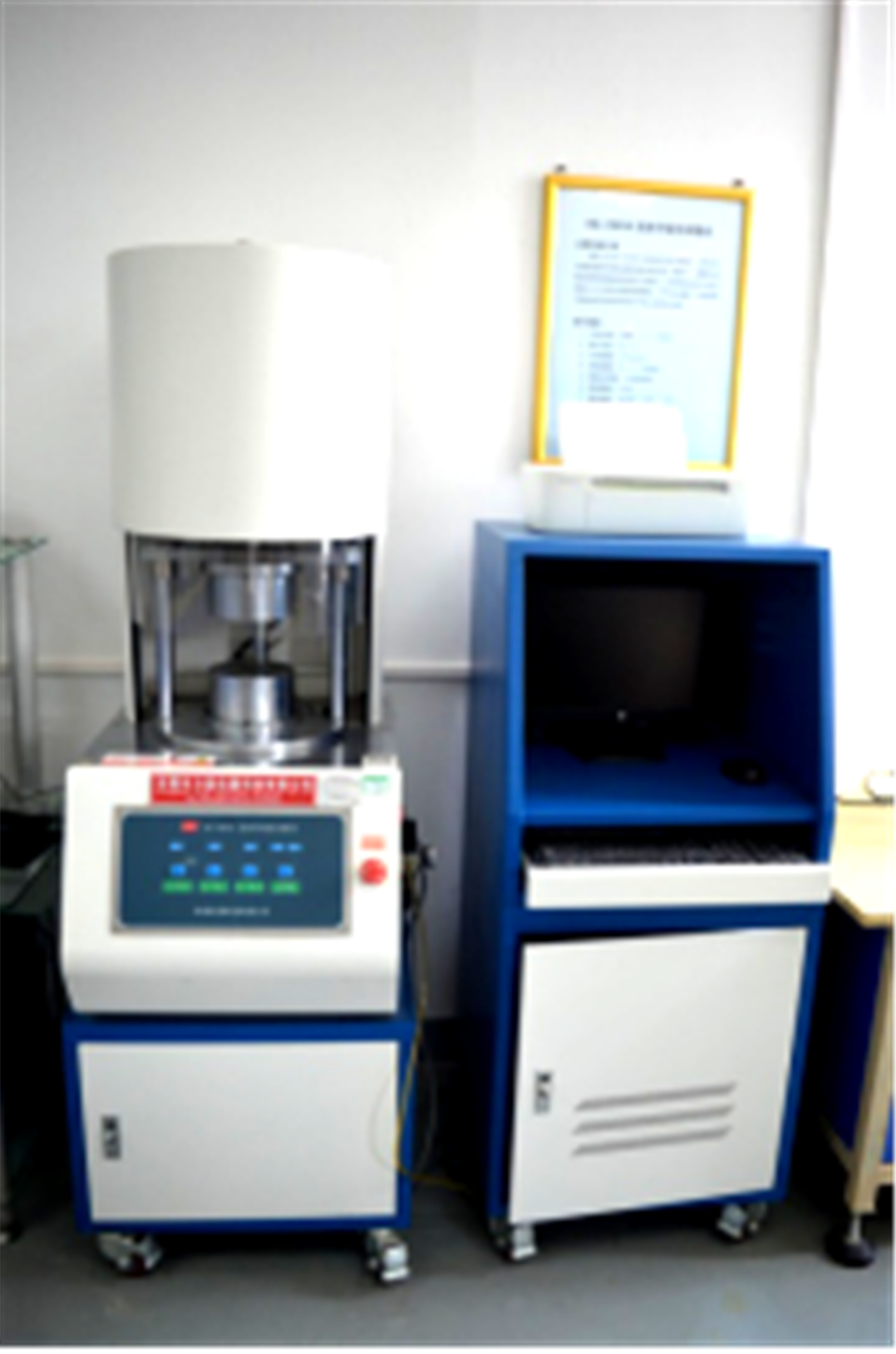
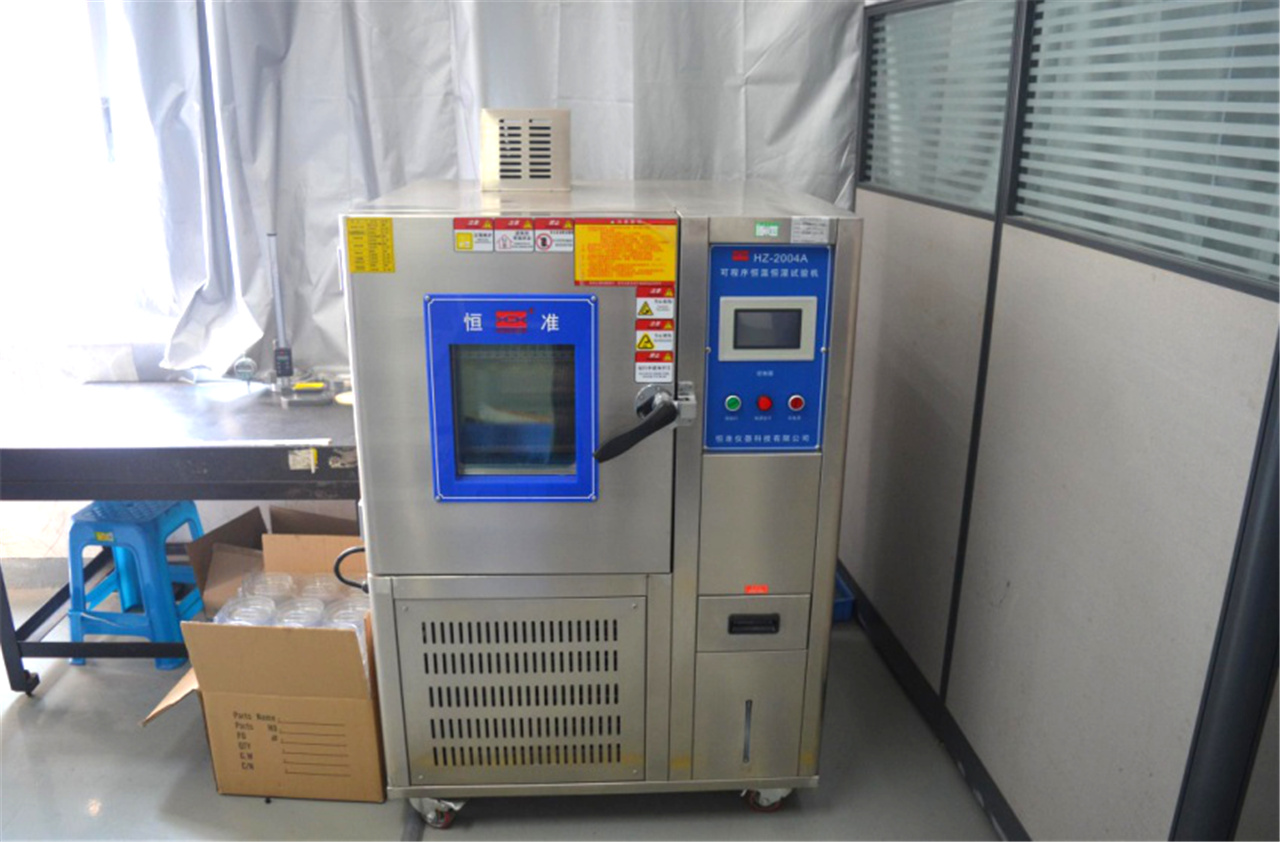
A: Every batch undergoes rigorous thermal cycling tests in our internal labs, simulating environments from -60°C to 300°C to ensure the material properties remain within spec throughout the vehicle's life cycle.
 101 Rubber