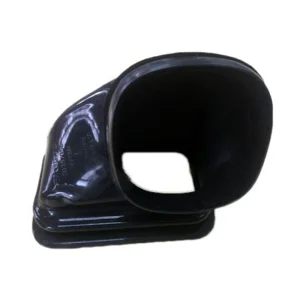
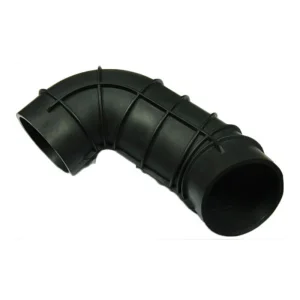
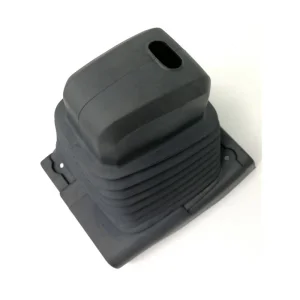
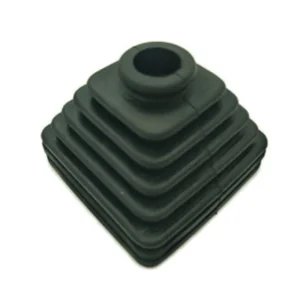
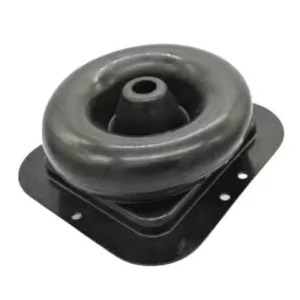
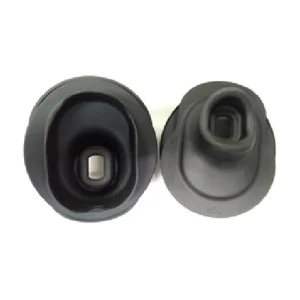
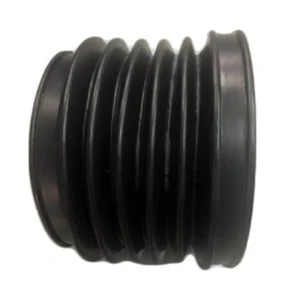
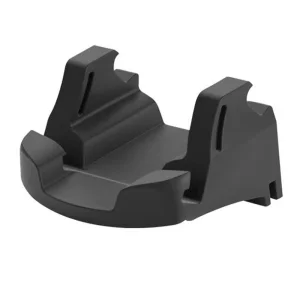
Namibia's economic backbone—encompassing large-scale open-cast uranium mining (such as the Husab and Rössing deposits), diamond mining, and trans-continental road logistics via the Trans-Kalahari and Walvis Bay Corridors—operates in one of the most hostile atmospheric environments on earth. The combination of abrasive Namib desert silica dust, high ambient temperatures exceeding 45°C, and heavy ultraviolet exposure creates a rapid-wear scenario for standard rubber engine ducting.
In the mining sector, dust ingestion is the leading cause of premature diesel engine failure. Silica dust acts as an abrasive grinding paste inside cylinders if bypass occurs. Consequently, the performance criteria for air intake manifolds, hoses, and flexible bellows go far beyond simple air conveyance. Components must deliver absolute sealing integrity, high ozone resistance to combat UV degradation, and thermal stability to handle operating temperatures under heavy load.
Local procurement departments in Windhoek, Swakopmund, and Walvis Bay are increasingly shifting away from generic replacement parts in favor of IATF 16949-certified custom elastomer solutions. These custom components withstand extreme mechanical stress and maintain structural flexibility, preventing vibration crack propagation under continuous-duty cycles.
Primary Sectors: Uranium & Diamond Extraction, Transport Logistics, Infrastructure development, Desert Operations.
Crucial Challenges: Micro-fine sand ingress, extreme thermal fluctuations (-5°C desert nights to 48°C daytime peaks), high UV radiation indices causing micro-cracking in standard EPDM components.
Strategic Solution: High-temperature vulcanized (HTV) silicone bellows and custom molded air intake hoses engineered for high-vibration and harsh abrasive environments.
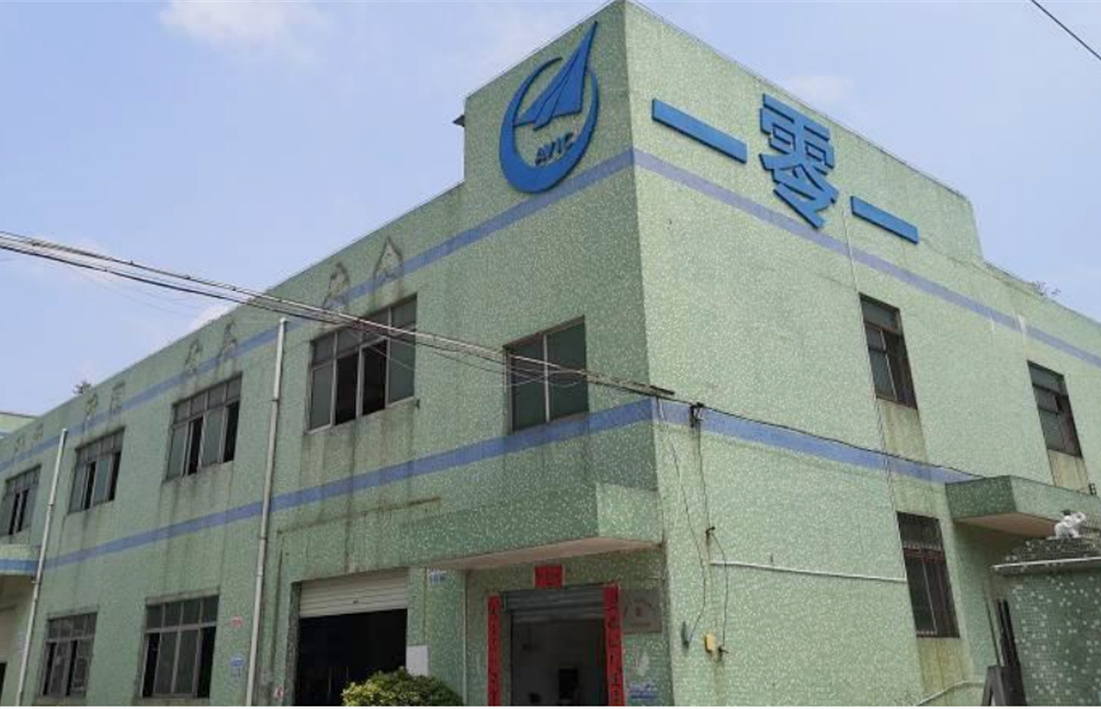
Global procurement teams face persistent logistical bottlenecks and inflating distributor markups when sourcing from European or North American middle agencies. Shenzhen 101 Electronic Technology Co., Ltd. addresses this challenge by providing direct, factory-level access to advanced silicone molding capabilities. Through our integrated Industry 4.0 infrastructure, we manage custom formulations, CAD design, tool engineering, and automated mass production under one roof.
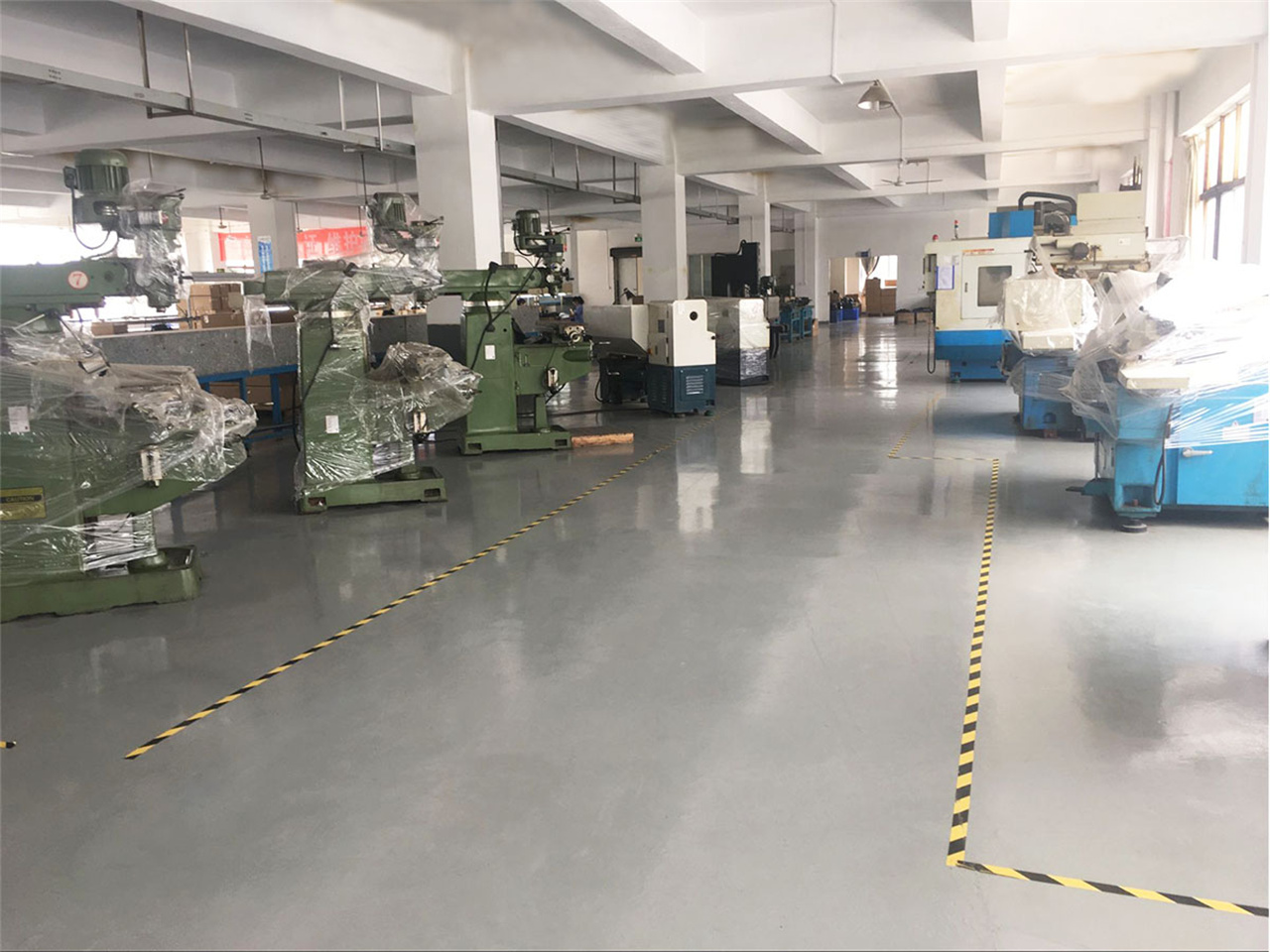
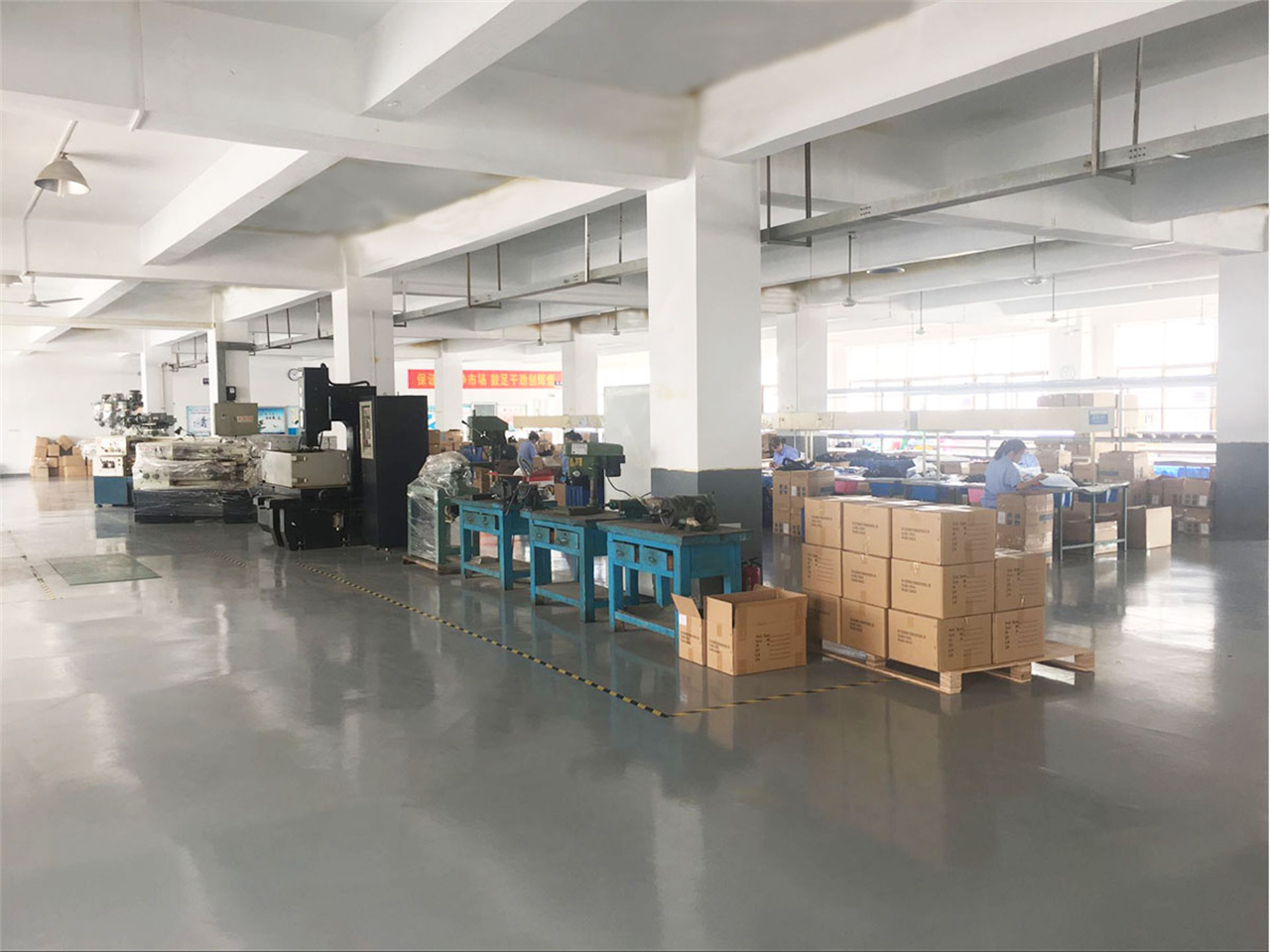
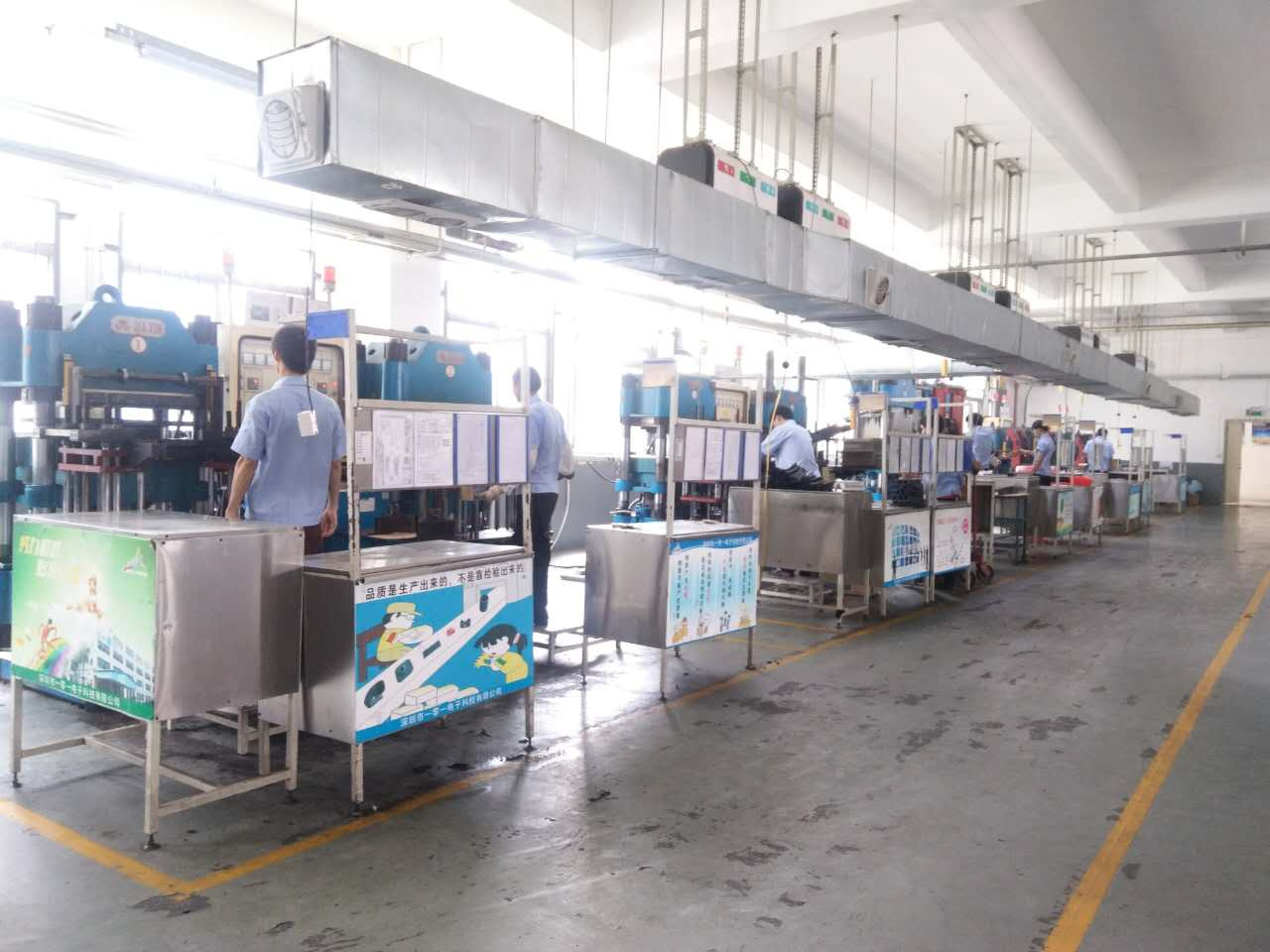
For Namibia's mining and trucking industries, this direct partnership model reduces long lead times and ensures consistency in material specifications. Our 8,000 square meter ISO 9001 and IATF 16949 certified facility utilizes high-precision automated compression and injection molding systems (ranging from 250T to 600T). This setup guarantees that every custom air intake duct, flexible bellow, and sealing ring meets strict dimensional tolerances (within ±0.15mm), reducing installation issues and ensuring tight seals in field applications.
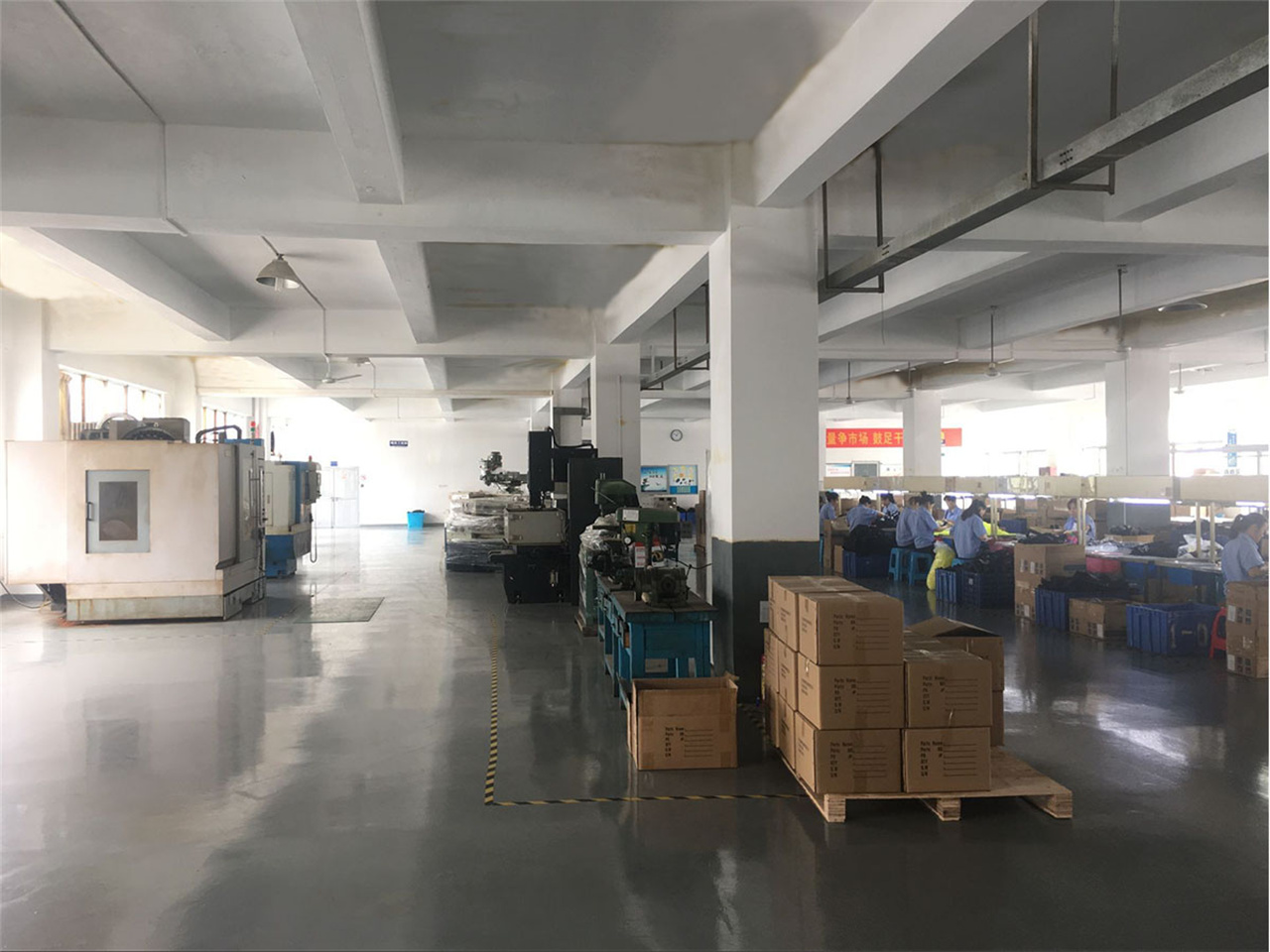
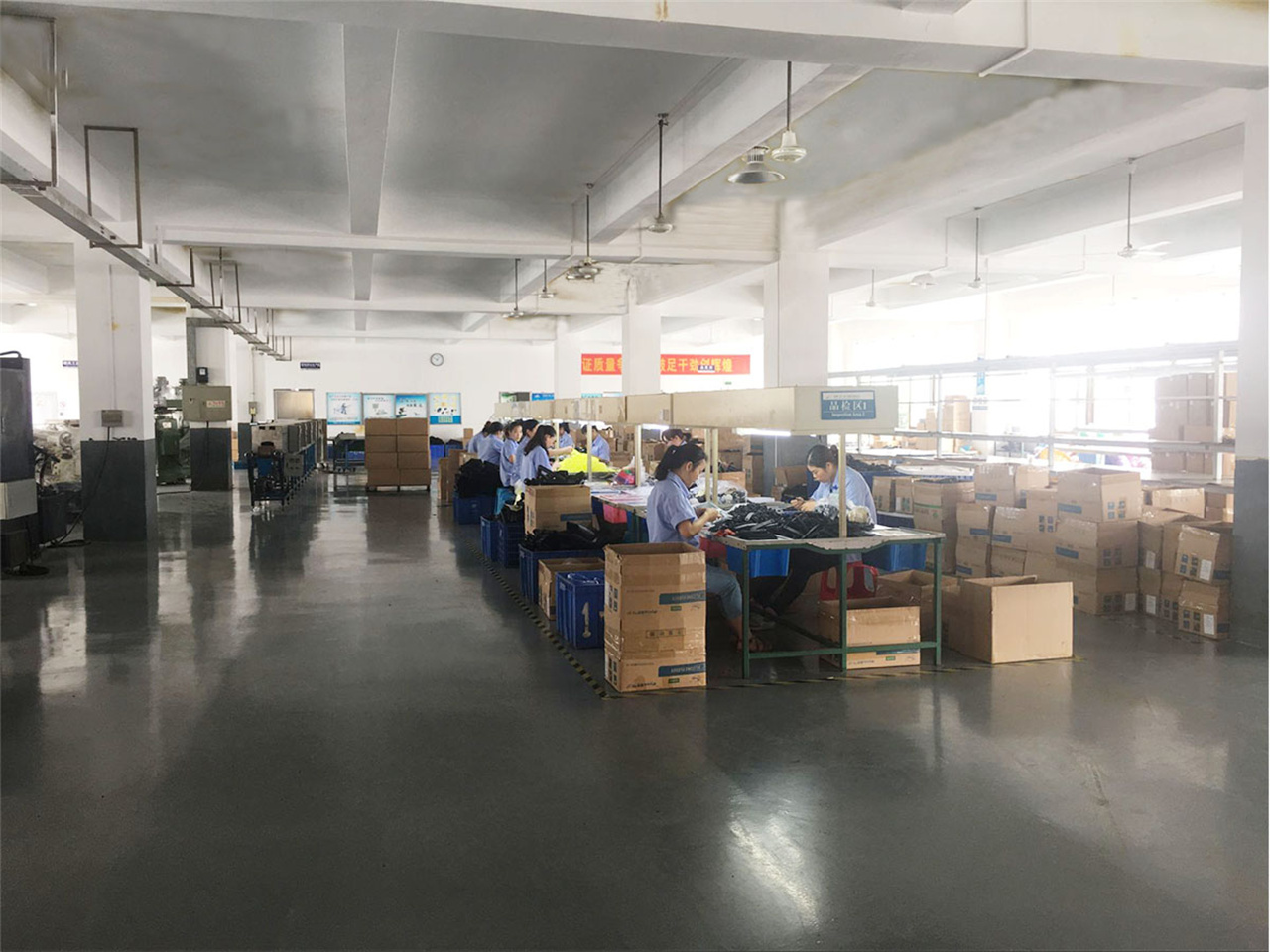
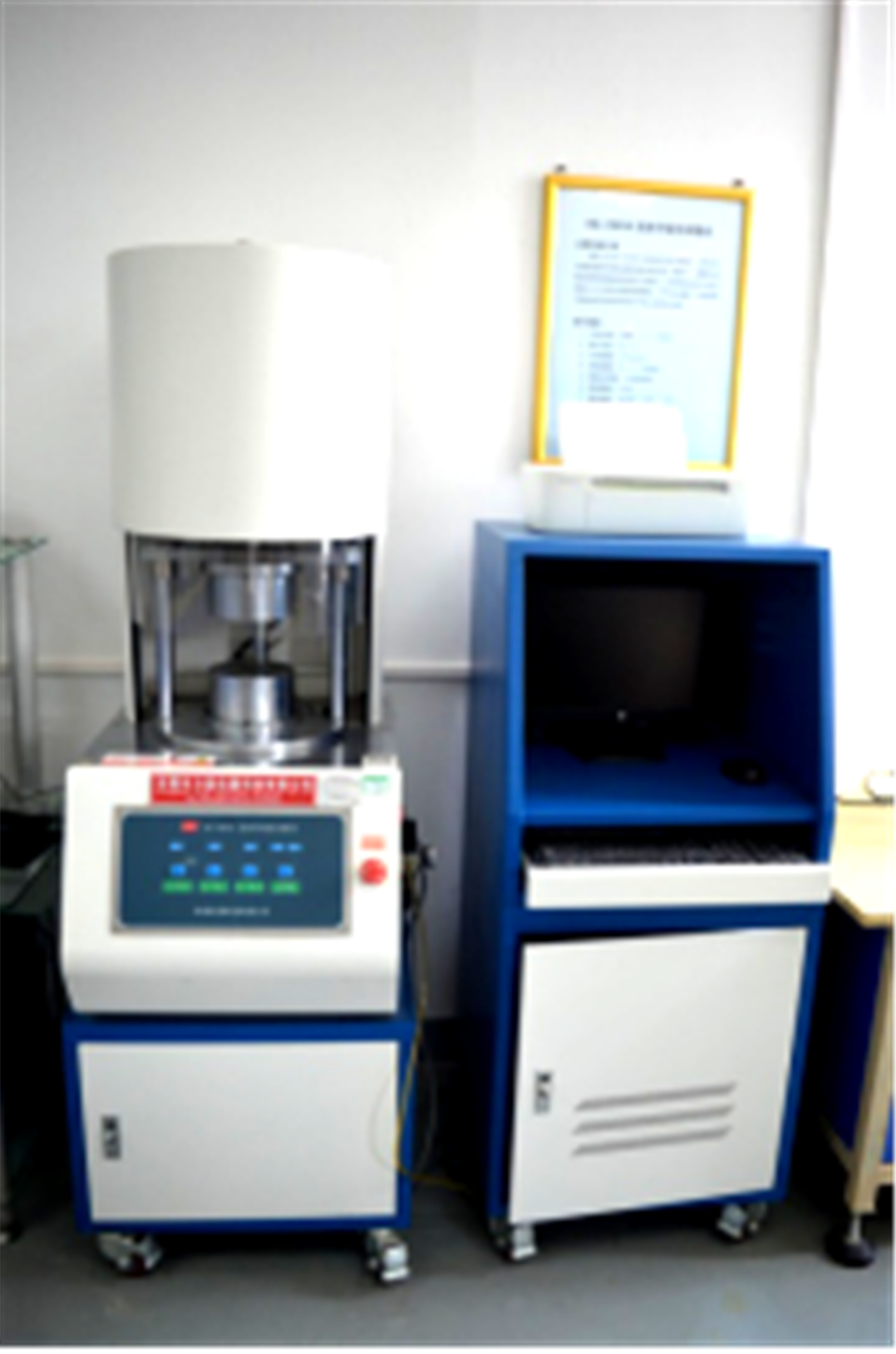
With 17 years of dedicated expertise, Shenzhen 101 Electronic Technology Co., Ltd. is a leading manufacturer of precision silicone components, serving as a trusted partner for industries that demand high-performance sealing and structural solutions. Established in 2007 and certified to both ISO 9001 and IATF 16949 standards, our company operates from an 8,000㎡ state-of-the-art facility equipped with advanced production lines, cleanrooms, and stringent quality inspection stations—all designed to ensure consistent quality across every silicone component we produce.
We specialize in integrating innovations in material science with precision molding technologies to deliver critical silicone rubber parts that enhance the reliability of products across the automotive, consumer electronics, medical devices, and industrial equipment sectors.
Our production infrastructure is designed to meet complex silicone manufacturing demands through a combination of heavy-tonnage molding systems and intelligent automation:
In addition to maintaining certifications including IATF 16949 for automotive process control, ISO 9001 for quality management, and RoHS/REACH compliance for environmental safety, we emphasize collaborative partnerships. Our engineering team works closely with clients to develop custom silicone solutions—from material selection and prototype validation to mass production—ensuring that every component meets precise design requirements and complies with industry regulations. This ongoing dedication to quality and customization has enabled long-term collaborations with leading global brands, reinforcing our reputation as a trusted silicone manufacturer in the international supply chain.
Engine longevity depends directly on the integrity of the air intake path. In environments with fine silica dust, such as the Namib Desert, minor cracks in standard EPDM rubber or PVC air hoses allow abrasive particulates to enter the engine. This compromises the oil film on cylinder walls, accelerating wear on piston rings and cylinder liners, which can lead to engine failure.
High-Temperature Vulcanized (HTV) silicone elastomers exhibit distinct performance advantages over standard EPDM in challenging industrial environments:
Heavy duty air intake hoses are subject to strong vacuum pressures under full load, particularly when air filters begin to load with dust. Standard soft hoses are prone to collapsing under these conditions, cutting off airflow and causing immediate engine power loss. Shenzhen 101's custom-engineered air intake hoses use molded structures and reinforced ribbing to maintain open cross-sectional airflow under vacuum levels exceeding 15 kPa.
Heavy machinery operating at mining projects like Husab, Rössing, and Tschudi require durable air intake ducts and bellows. Standard parts often degrade rapidly under high vibration and heavy dust conditions. Shenzhen 101's specialized silicone compounds and bellows absorb engine vibrations, seal securely against micro-fine dust, and withstand under-hood temperatures up to 300°C.
Logistics corridors like the Trans-Kalahari and Walvis Bay-Ndola-Lubumbashi Development Corridor experience significant temperature swings. Our heavy-duty air intake hoses and Volvo-compatible bunk unit ducts help prevent road failure by maintaining seal integrity, reducing maintenance stops, and improving fuel efficiency through stable engine airflow.
Agricultural operations in regions like Otjozondjupa and Hardap run machinery through long harvesting cycles in dusty, dry soils. Using high-performance bellows, such as the Case IH series, protects internal mechanical and intake assemblies from crop debris and dust, extending machine service intervals.
Coastal logistics at Walvis Bay and Lüderitz face humid, salt-heavy environments that accelerate rust and galvanic corrosion in metal-to-rubber joints. Our silicone products resist ozone and saline environments, preventing leaks and joint failures.
Looking for a reliable supply of custom silicone bellows, air intake hoses, or industrial sealing rings for Namibian mining, transport, or agricultural applications? Partner with an experienced, certified manufacturer to optimize your supply chain.
Send Inquiry Now 101 Rubber