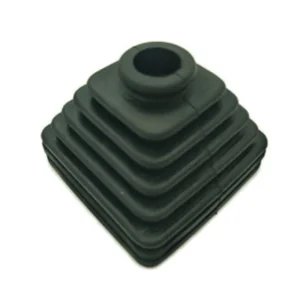
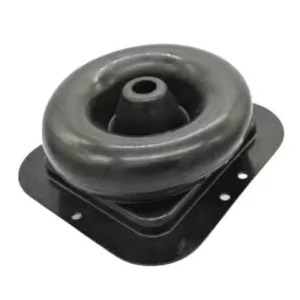
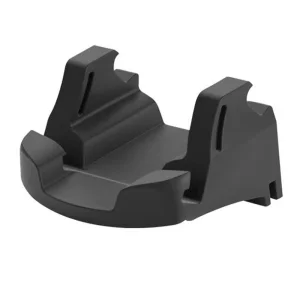
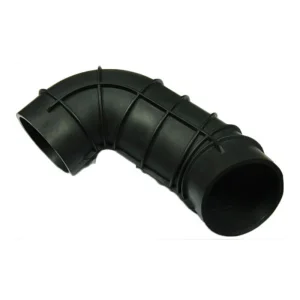
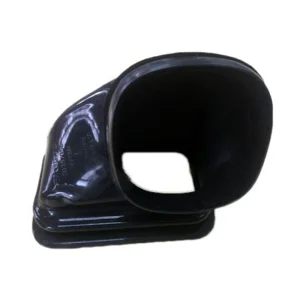
Kyrgyzstan’s automotive sector is undergoing a profound transformation. Situated at the crossroads of Central Asian trade routes, the country is increasingly becoming a hub for logistics and transit. However, this growth places unique demands on vehicle fleets. With significant temperature fluctuations ranging from harsh, freezing winters in the Naryn region to high-heat summers in the Fergana Valley, local vehicle maintenance requires components capable of extreme thermal stability.
As a leading manufacturer, Shenzhen 101 Electronic Technology Co., Ltd. recognizes the specific pain points of the Kyrgyzstan market: the need for durable, climate-resistant automotive rubber components that can withstand long-haul operations on rugged terrain.
Established in 2007, our 8,000㎡ facility is not just a factory; it is a hub of material innovation. We leverage 17 years of experience to serve global markets, including emerging hubs in Central Asia.
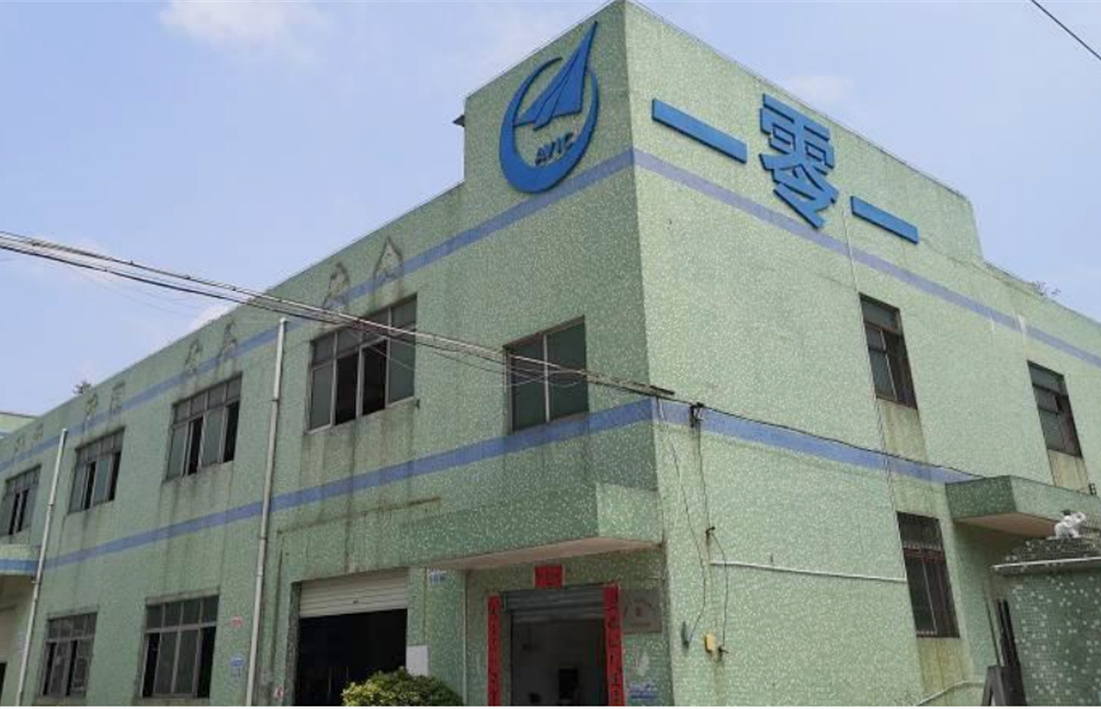
We understand that entering the Kyrgyzstan market requires more than just parts; it requires trust and compliance. Our IATF 16949 certification ensures that every gasket, boot, and seal we manufacture adheres to the strict quality processes demanded by international automotive giants. We provide:
RoHS/REACH compliant manufacturing ensuring safety and sustainability.
Collaborative engineering from prototype validation to mass production.
Advanced demolding and rigorous inspection protocols for 0-defect output.
Partnering with regional distributors to stabilize supply chains.
The automotive industry is moving towards electrification and higher thermal efficiency. Our R&D department is currently focusing on:
A: Yes. We specialize in custom solutions. Our engineering team works with your CAD files to develop prototypes and mass-production molds tailored to your specific application.
A: Lead times depend on volume and mold development. We optimize logistics for the Central Asian region to ensure efficient delivery timelines.
A: Absolutely. Our silicone formulations are engineered to maintain flexibility and structural integrity in temperatures ranging from -60°C to 300°C.
 101 Rubber